
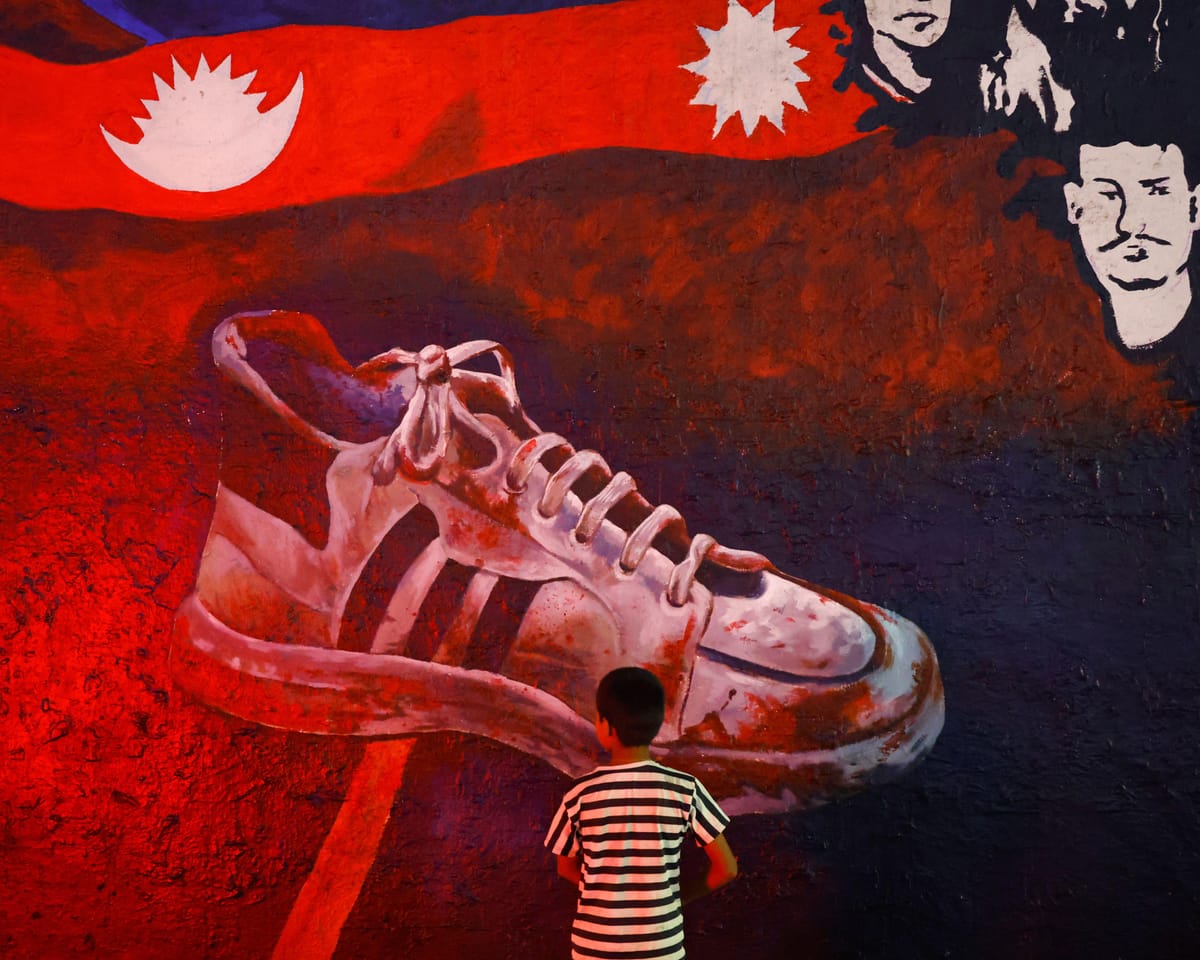
Prakash Bohora was among the first of Nepal’s young protesters to be struck by police gunfire. Like many others his age, he joined demonstrations in the capital last month, speaking out against corruption and strict controls on online platforms.
That day in Kathmandu, he did not expect the protest would grow into what is now called Nepal’s youth-led uprising—an event that led to the swift collapse of the government, the suspension of parliament, and, within days, the appointment of an interim prime minister, the no-nonsense anti-corruption figure Sushila Karki.
On the morning of 8 September, Bohora stood outside the parliament building when gunshots rang out. A sharp pain shot through his left leg. As a friend rushed him to a nearby hospital, his bloodied sneaker was left behind in the chaos. A photo of the shoe spread widely, becoming a stark reminder of Nepal’s most violent protest day, which claimed 19 lives.
A month later, Bohora remains hospitalized as doctors work to save his leg. From his bed in the trauma ward, he expressed disappointment over what he sees as sluggish progress since the uprising—a movement that cost him dearly.
He is among those demanding arrests for former Prime Minister KP Sharma Oli and ex-Home Minister Ramesh Lekhak, accusing them of corruption and involvement in the police crackdown that injured him. "A month has passed, but many of our demands are still ignored," Bohora said.
Frustration with a system that enriched politicians while leaving him jobless and exploited had pushed Bohora to protest.
Despite earning qualifications as a health assistant eight years ago, he found no work in Nepal's weak job market and eventually went to Russia for further studies. When funds ran low, he was pressured into joining the Russian army, deployed to the frontlines in Ukraine's Donetsk region. There, he witnessed death and severe injuries. After 18 months, he managed to return to Nepal.
"I’m lucky to be alive," Bohora said. "Back home, I joined the protests, hoping for a country free from corruption."
Many young demonstrators from 8 September say they only sought to challenge corruption—not overthrow a government or shape national leadership.
Their movement had no central leader, no formal agenda, and no unified demands, remaining largely undefined. Even the support for Karki as interim leader emerged from online discussions and polls conducted by protesters on social platforms, where she gained popularity.
With elections now promised by March, Karki’s government faces the challenge of meeting the protesters' calls for accountability and reform.
Read next
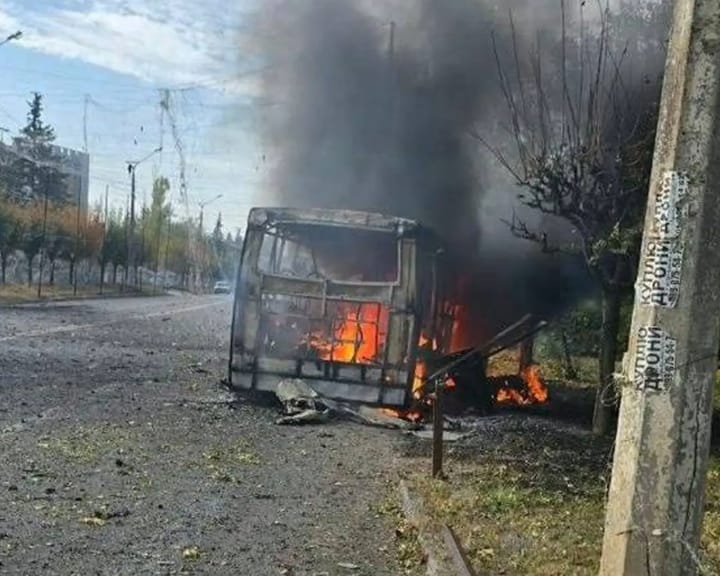
Russian Assault on Buses Near Ukraine Border Results in 30 Deaths
Thirty people have been killed and eighteen injured following an attack by Russia on two passenger buses in Kramatorsk, near the frontline in eastern Ukraine, according to local authorities.
The Donetsk regional prosecutor's office reported that the death toll from the morning attack on the buses had reached
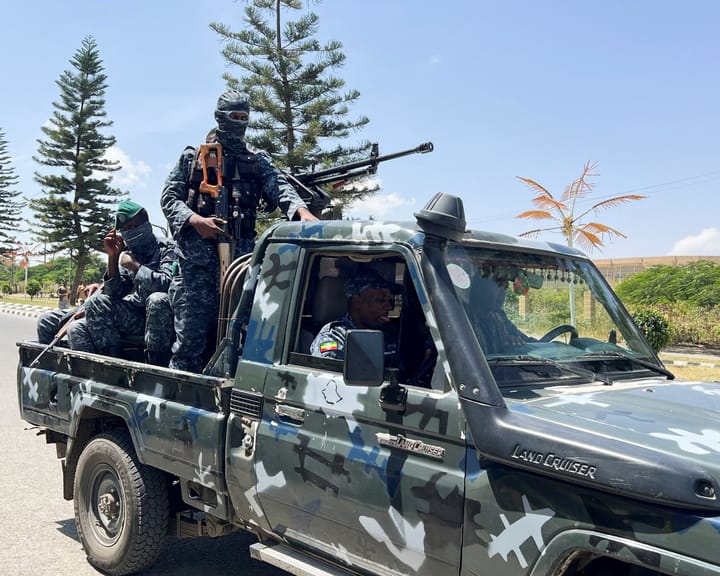
Ethiopia Conducts Drone Strike on Eritrean Forces in Tigray Region
Eritrean forces reportedly crossed into Ethiopia's Tigray region and faced drone attacks from Ethiopian government forces, raising concerns about the potential for a broader regional conflict between the two neighboring countries.
Military vehicles transporting soldiers crossed the southern border of Eritrea into Tigray on Wednesday, reaching Adigrat, approximately
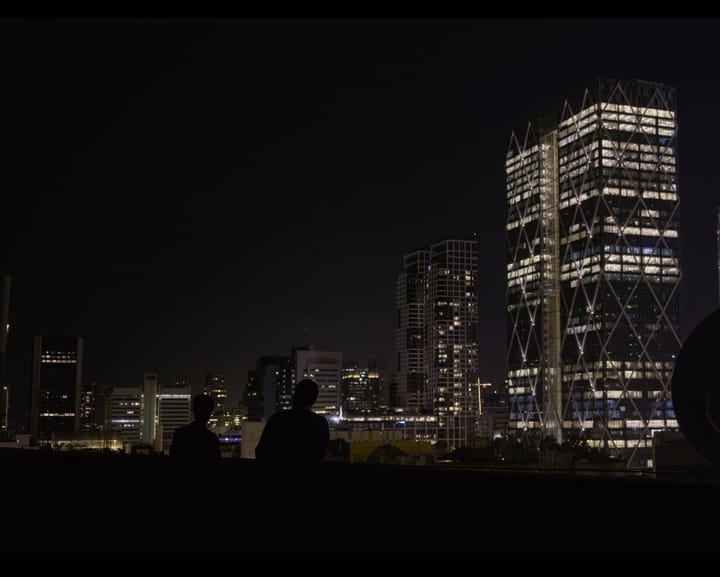
Israel Advances Film Resembling NAZA Documentary
The Israeli government is promoting an online film project designed to counter the findings of the award-winning documentary NAZA, which details Israel’s mass killings of civilians in Gaza. NAZA, directed by Oscar-winning filmmakers Yuval Abraham and Rachel Szor, is currently in cinemas and will be shown in