
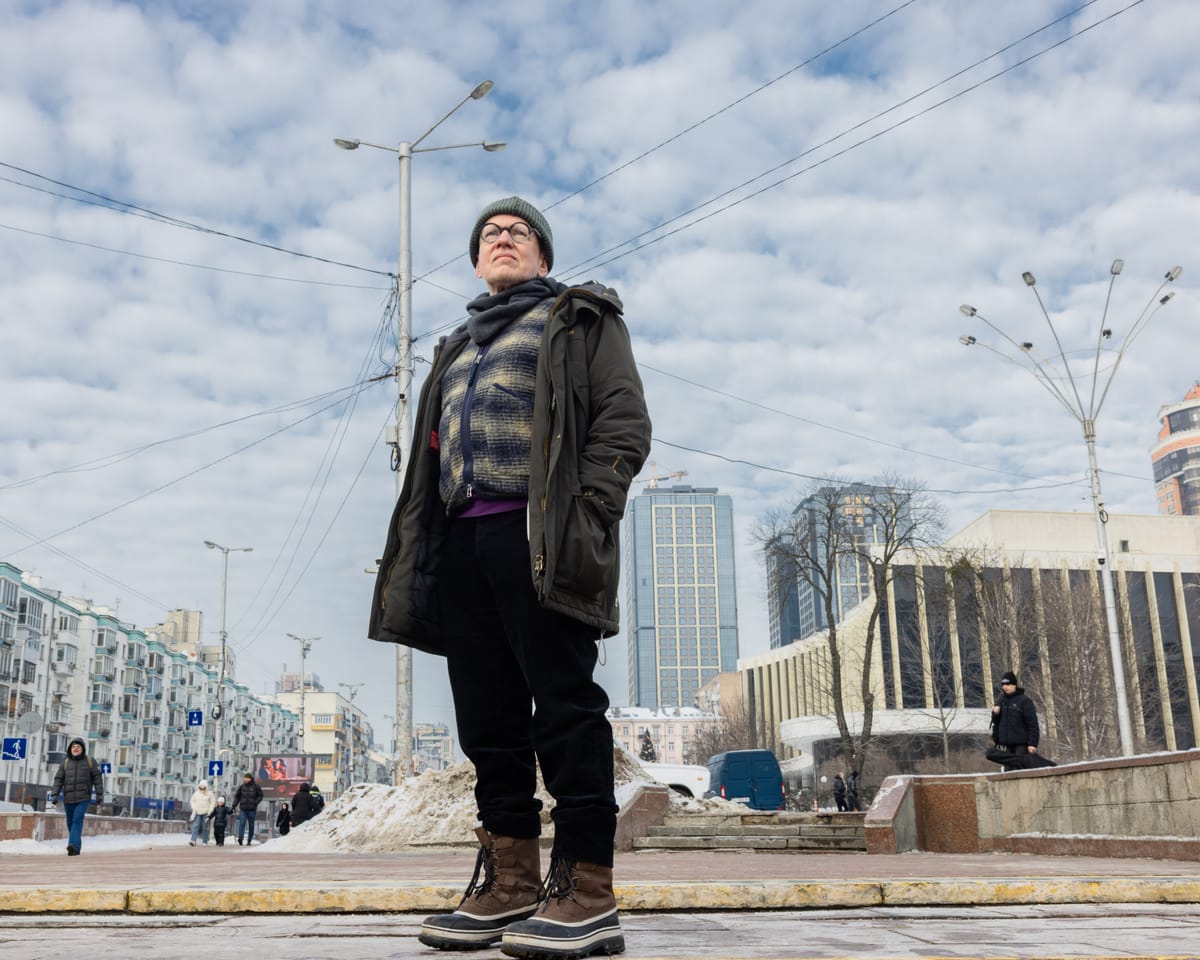
My first apartment in Kyiv lay a few metro stops from the city centre, directly opposite Volodymyrskyy market, in an unremarkable mid‑century block. The lease was handled through the mail. It took me five days to drive there from Edinburgh in an aging Polo in November 1991. Getting to Kyiv was straightforward – a single road from Calais leads straight to it – but once I reached the outskirts I had to rely on a paper map to find my way through the streets. I spoke no Ukrainian and only enough Russian to ask simple directions, not enough to grasp the replies. The street signs were readable. I found a parking spot at the rear and began unloading my belongings.
Recently I returned. I crossed the road from the square beside the metro and walked through the market. It is a tidier, quieter place than I recall from the early 1990s, not so much because of the war as due to the gradual changes over the intervening years, when small‑scale farmers around Kyiv dwindled and post‑communist supermarkets and commercial food‑distribution networks supplanted the old state stores. In the weeks surrounding the 1991 referendum, when Ukrainians voted to leave the Soviet Union, triggering its rapid collapse, I stood in the state shops to queue for cheap, rationed, often scarce items such as bread and hard cheese; the market offered abundance, albeit at high prices for locals. Row after row of countrywomen in aprons displayed massive jars of sour cream, chalk‑white blocks of cottage cheese wrapped in muslin, and pots of horseradish in beetroot juice, alongside vendors from the Caucasus selling persimmons, pomegranates and fresh coriander, and pickle sellers with buckets of Korean carrot salad and wild‑garlic stalks. All of this remains plentiful in Kyiv, still produced locally, but now packaged and stacked on supermarket shelves by large firms. No one sells homemade sour cream any longer – perhaps it will return in spring? – there is only a single pickle vendor, and the meat counter is no longer the shrine to pork fat it once was.
I managed to enter the stairwell of my former home. It is cleaner and brighter than when I lived there. The odor of old vegetables and kidneys has vanished, and no one is pilfering the lightbulbs any more. The tiny, rattling lift remains the same. Yet it was striking that the bulbs still functioned. A Russian strike two nights earlier had ripped the thin lines linking Kyiv to the remaining power stations and grid; for much of the previous day the city centre – even sites with their own generators – had been without running water. I hesitated to use the lift. Iva, the hopeful young photographer I was collaborating with, thought it was fine. She was living with a different scale of risk. On her last trip to the front, she had watched a Ukrainian military drone‑warning system intercept the live feed of a Russian attack drone and had seen, on the screen, the Russian operator’s point of view centred on the car she was traveling in, before it finally veered away.
Read next
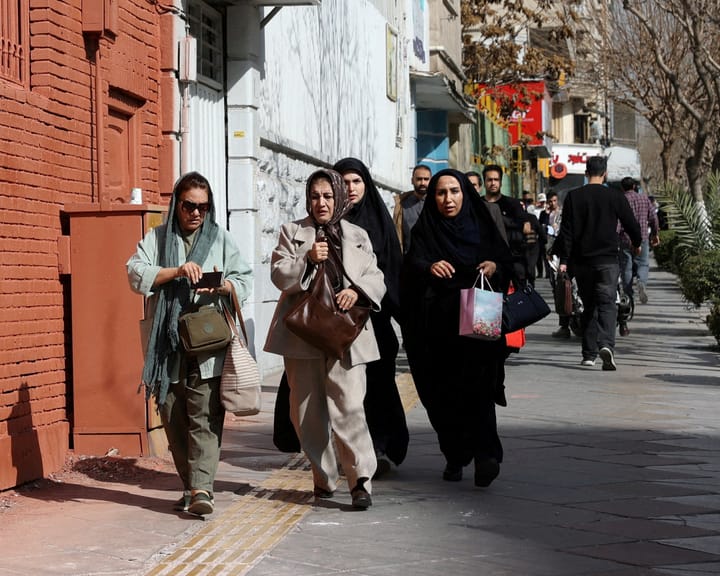
Another mid‑negotiation strike threatens Iran's willingness to take Trump seriously
The joint strike carried out by Israel and the United States against Iran had been plotted for months, yet its timing—amid ongoing talks between Tehran and Washington—will once more prompt doubts about whether the U.S. ever intended to reach a deal with Iran.
In June of the
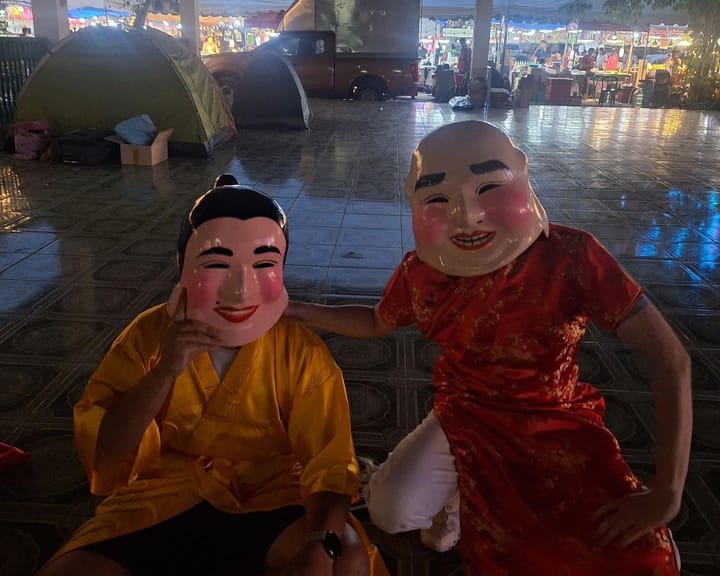
Bangkok police conduct undercover arrests, proving you can’t evade the invisible.
Police from Bangkok’s metropolitan bureau were given under a day to ready their newest covert raid. They would pose as lion‑dance performers at a temple fair celebrating the lunar new year. Their objective: locate and detain a suspected burglar known for eluding police.
“The performance was impromptu. We
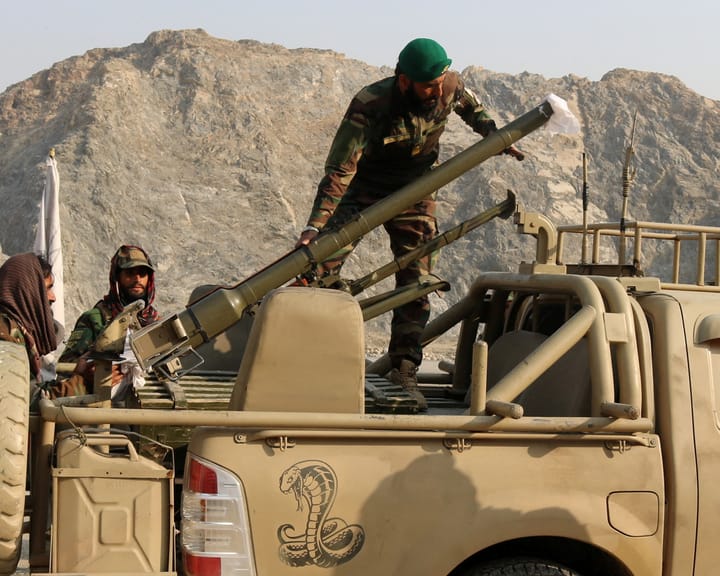
Pakistan’s patience wears thin after grossly miscalculating the Taliban.
Days after the Taliban seized control in 2021, Pakistan’s former intelligence chief appeared in Kabul, an image many interpreted as a triumph. While sipping tea in the lobby of the capital’s most upscale hotel, Lt Gen Faiz Hameed told reporters, “Don’t worry, everything will be OK.”
This