
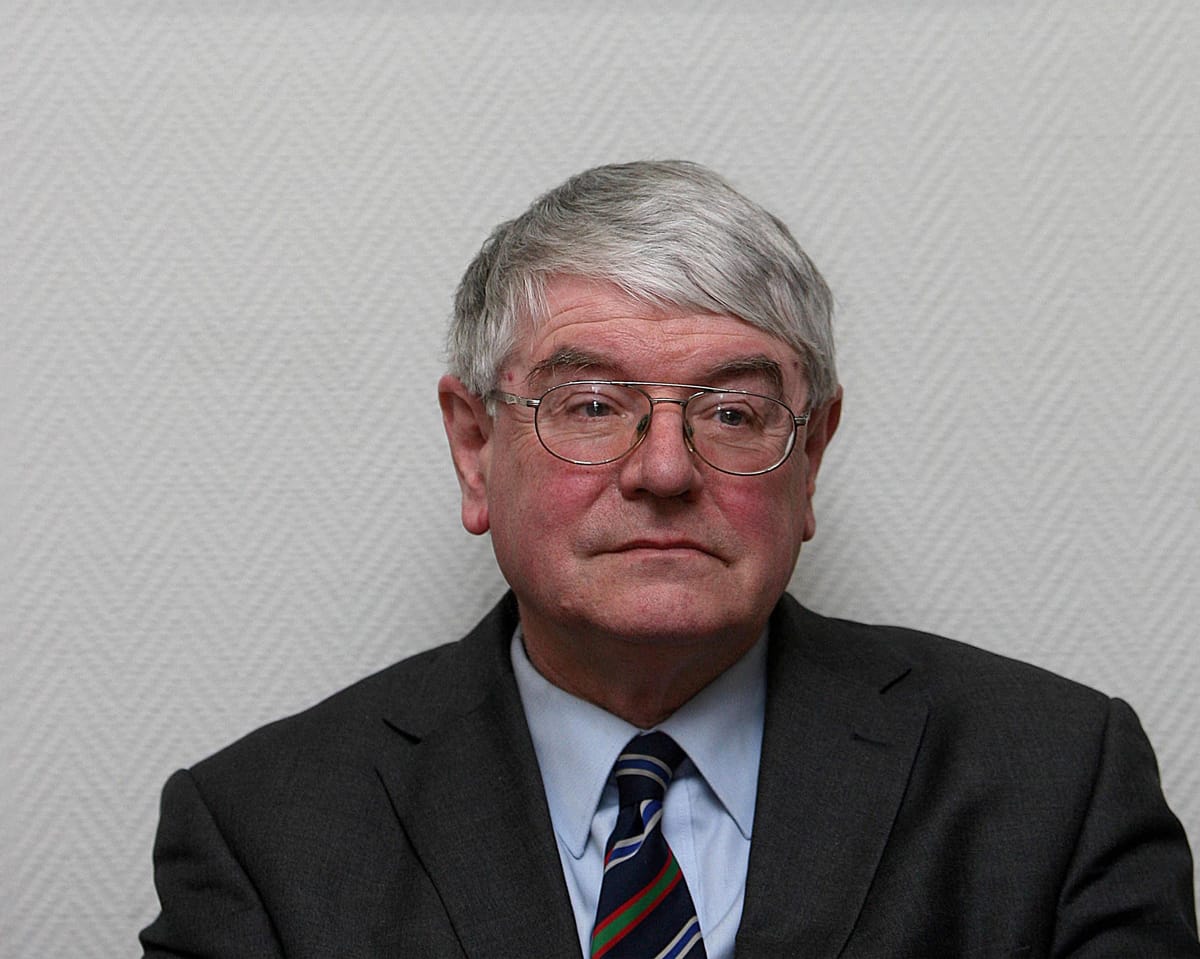
As a key figure in the Northern Ireland peace process, Martin Mansergh was an unlikely architect. With the appearance of a disheveled scholar and a distinctive English accent, he played a central role in facilitating dialogue between the Irish government and the IRA for many years.
Mansergh, who passed away at 78 from a heart attack while on a trip to Western Sahara with fellow retired Irish politicians, was educated at an English boarding school and Oxford University. Despite his background, he significantly shaped the Irish republican aspects of the peace agreement.
In 1988, while serving as political adviser to then-Taoiseach Charles Haughey, he was entrusted with establishing a confidential line of communication. The Irish government sought to engage with Sinn Féin, the IRA’s political wing, through Belfast priest Father Alec Reid, who relayed messages from Gerry Adams.
Known to his secret republican contacts as simply “the Man,” Mansergh later acknowledged he went beyond his initial instructions to help forge a path toward peace. “I was told just to listen, but I ended up doing much more than that,” he reflected years later.
He believed that ending paramilitary violence was crucial to building a nationalist consensus capable of securing a constitutional settlement acceptable to both sides of the border. He detected signs that the IRA might be ready to halt its armed struggle, even without achieving its longstanding goal of immediate Irish unity.
Following the 1987 Enniskillen bombing, which killed 11 people, engaging with armed groups was politically risky. Mansergh knew that if his role were exposed, his own government might deny involvement.
The early talks yielded no immediate progress, but when Albert Reynolds became Taoiseach in 1992, he retained Mansergh—dubbed a “Protestant republican”—as his adviser on Northern Ireland. Mansergh frequently traveled north by train, unfazed by reports that loyalist paramilitaries had inquired about his activities.
These covert discussions eventually contributed to the 1993 Downing Street Declaration, which led to an IRA ceasefire the following year. By the time of the 1998 Good Friday Agreement, Mansergh was deeply involved, helping to draft and refine the final terms.
A historian by training, Mansergh carried a youthful energy, often punctuating conversations with laughter. His speeches were stirring, frequently drawing parallels between historical and contemporary politics.
One unionist politician remarked, with surprise, that Mansergh promoted staunch republican ideals while sounding thoroughly upper-class English. Former Taoiseach Bertie Ahern called him “a remarkable individual, brilliant and perceptive, able to examine every facet of a challenge or an opportunity.”
Martin was born in Woking, Surrey, in London’s affluent suburban belt. His mother, Diana (née Keeton), was English and an avid tennis player. His father, Prof. Nicholas Mansergh, was a historian.
Read next
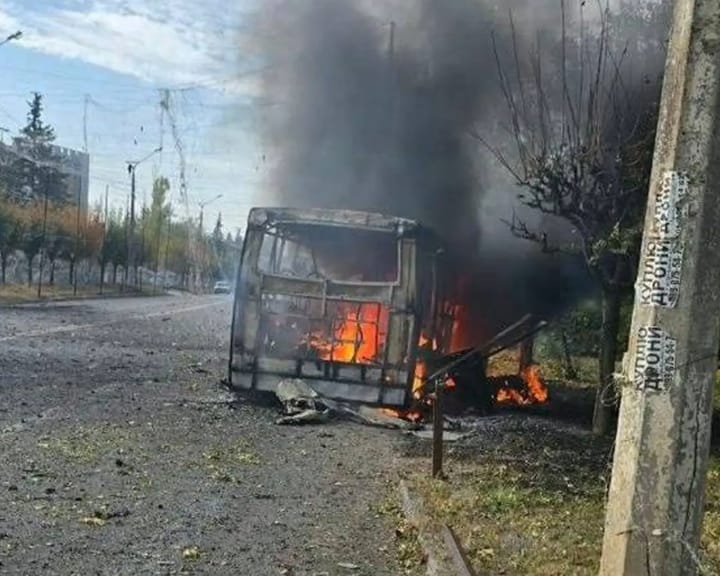
Russian Assault on Buses Near Ukraine Border Results in 30 Deaths
Thirty people have been killed and eighteen injured following an attack by Russia on two passenger buses in Kramatorsk, near the frontline in eastern Ukraine, according to local authorities.
The Donetsk regional prosecutor's office reported that the death toll from the morning attack on the buses had reached

Ethiopia Conducts Drone Strike on Eritrean Forces in Tigray Region
Eritrean forces reportedly crossed into Ethiopia's Tigray region and faced drone attacks from Ethiopian government forces, raising concerns about the potential for a broader regional conflict between the two neighboring countries.
Military vehicles transporting soldiers crossed the southern border of Eritrea into Tigray on Wednesday, reaching Adigrat, approximately
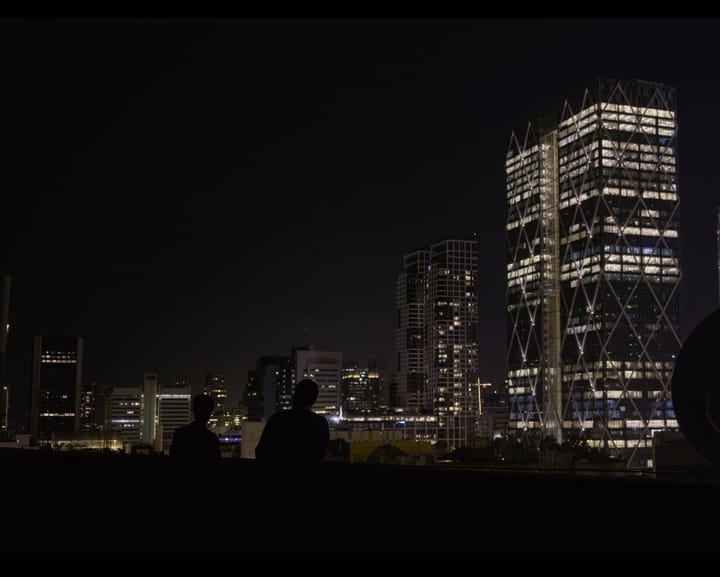
Israel Advances Film Resembling NAZA Documentary
The Israeli government is promoting an online film project designed to counter the findings of the award-winning documentary NAZA, which details Israel’s mass killings of civilians in Gaza. NAZA, directed by Oscar-winning filmmakers Yuval Abraham and Rachel Szor, is currently in cinemas and will be shown in