
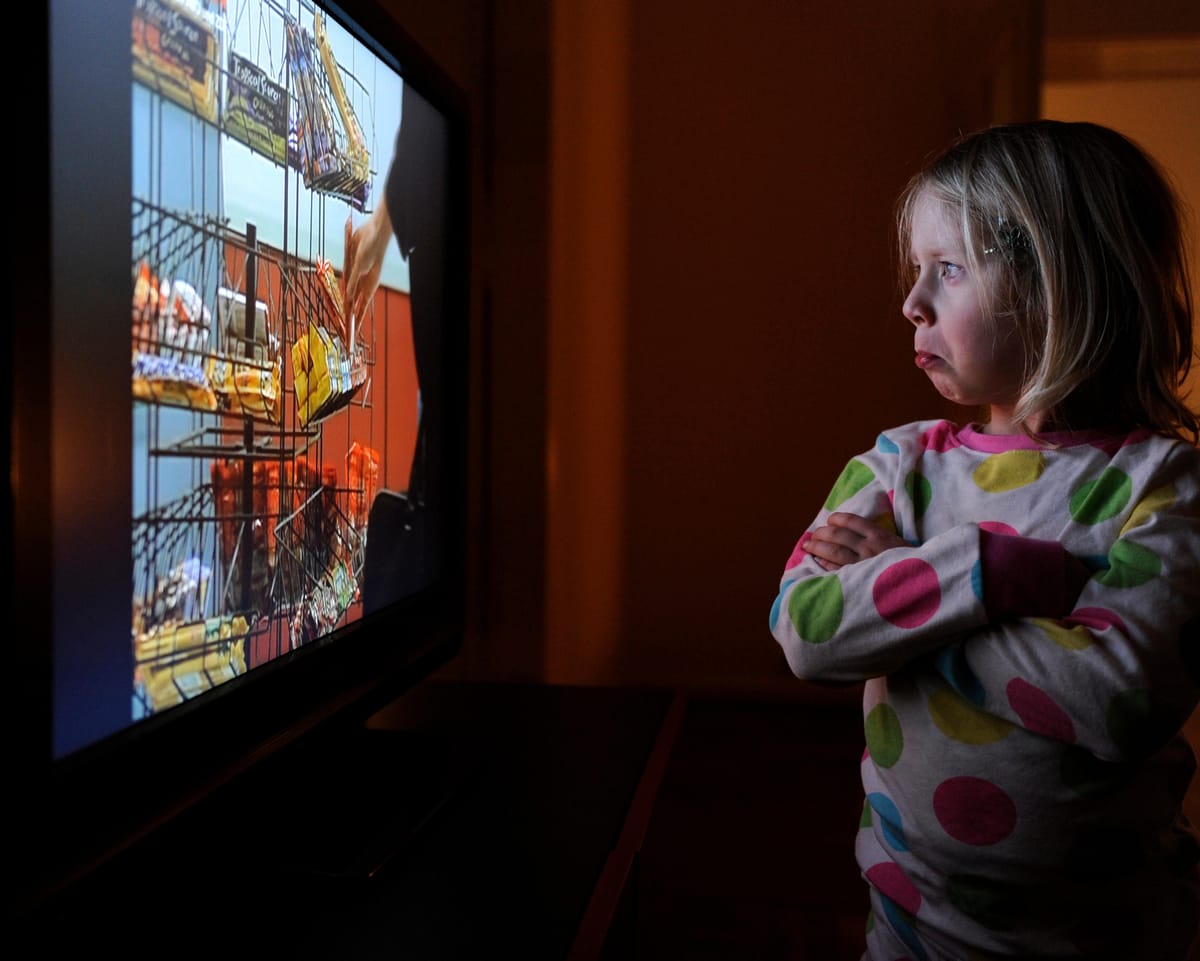
Children Favor YouTube as Their First Choice for TV Viewing
Children are increasingly turning to YouTube as soon as they switch on the television, marking another step in the video platform’s shift from computers to living rooms.
According to a study by Ofcom, the UK’s communications regulator, YouTube has become the top initial TV destination for the youngest generation. One in five viewers aged four to 15 went directly to the platform last year. Netflix followed closely, while BBC One and BBC iPlayer also ranked among the preferred choices.
The trend extends beyond younger audiences. Viewers aged 55 and over watched nearly twice as much YouTube content in the past year compared to the previous period, with daily viewing rising from six to 11 minutes. A growing share of that viewing—42%—now happens on TV screens.
On average, users spent 39 minutes daily on YouTube in 2024, making it the second most-watched service in the UK, trailing only the BBC but ahead of ITV.
Meanwhile, traditional live TV viewing continues to decline, particularly among younger audiences. Those aged 16 to 24 watched just 17 minutes of scheduled broadcasts per day last year, with fewer than half tuning into any broadcast TV in a typical week—down from 48% in 2023.
YouTube’s growth has positioned it as a direct competitor to traditional broadcasters. Half of its most popular videos now feature formats similar to mainstream TV, including extended interviews and game shows.
This shift poses challenges for public service broadcasters like the BBC, ITV, and Channel 4, who must balance how much content to share on YouTube. While it helps them reach newer and younger audiences, the platform also claims a large portion of advertising income. Additionally, hosting programs on YouTube risks drawing viewers away from broadcasters’ own services.
Ed Leighton, Ofcom’s interim group director for strategy and research, said public service broadcasters are responding to changing habits but urged greater efforts to sustain their long-term future. Ofcom has advised struggling broadcasters to collaborate with YouTube, though it emphasizes the need for fair commercial agreements.
Michael Grade, Ofcom’s chair and a former Channel 4 executive, suggested lawmakers consider measures to ensure UK broadcasters receive better visibility on YouTube.
Channel 4 leads in leveraging YouTube, with executives stating it expands their audience without harming their platforms. ITV also secured a new agreement with YouTube last year. The BBC, however, remains divided on how much content to share there.
Read next
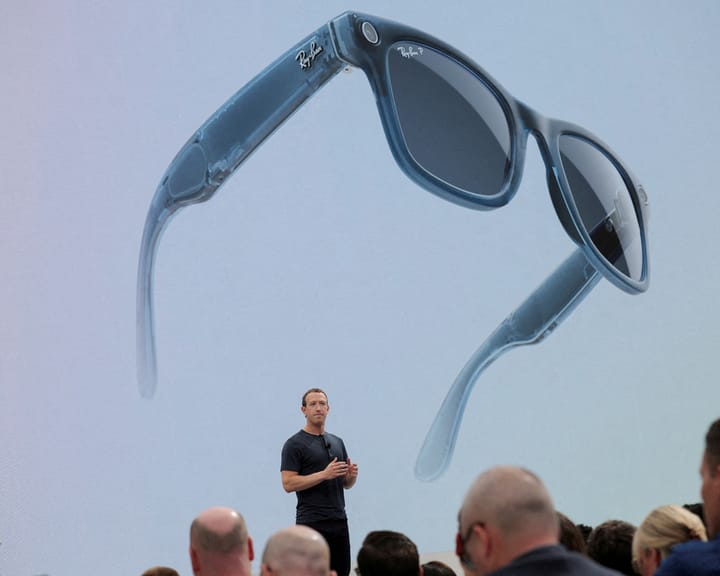
US officers worry Meta smart glasses could covertly record them
In January, the NYPD’s counterterrorism unit warned officers about a new security threat: Ray-Ban Meta glasses. A memo directed officers to “conduct thorough inspections of all eyewear permitted within inmate cells,” cautioning that recently arrested individuals could use the devices’ small cameras and microphones to record inside police
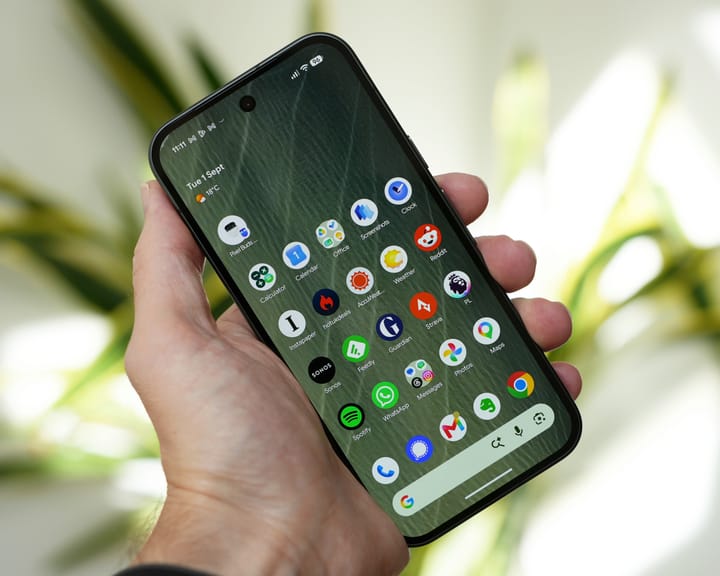
Google's Pixel 11 sets new standard for flagship phones, review finds
Google’s Pixel 11 continues to define what a base flagship phone should deliver, with leading cameras, extended software support and nearly all the features of its pricier siblings.
The standard Pixel 11 is priced at £879 (€999/$899/A$1,499), £80 higher than its previous version, reflecting ongoing

AI Expert Father of Three Shares Essential Insights for Parents on Artificial Intelligence
A father once promised his child they would write a story together called "The Day Nobody Went to Disneyland." The plot imagined a perfect day when the entire world avoided the park, expecting crowds, leaving it completely empty for a father and child to enjoy alone. Three decades