
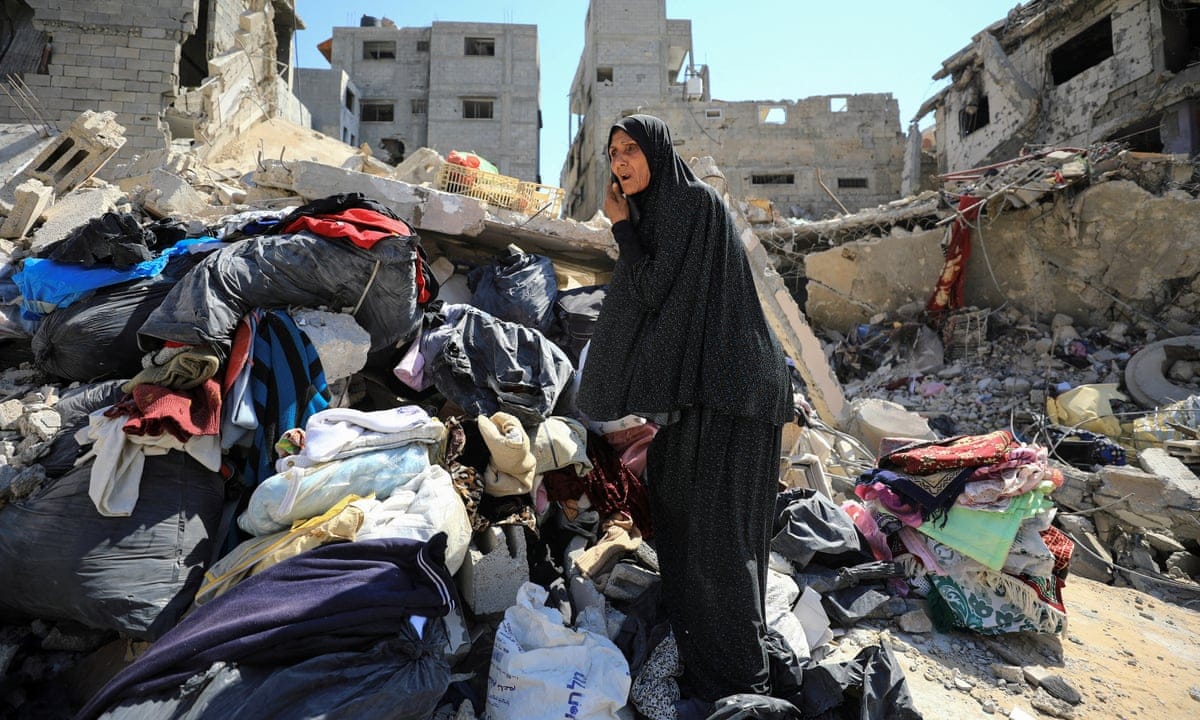
In Gaza City, residents find themselves confined within their homes as bodies remain unattended on the streets, according to Palestinian officials and emergency workers who spoke with Reuters. This situation arose after Israeli military advised citizens of two designated safe paths for evacuation from the city in an attempt to move southwards.
Reports by Gaza's health ministry indicate that they have received information about individuals trapped within their homes, particularly in Tel Al Hawa and Sabra districts. These areas are said to be difficult for rescue workers due to ongoing conflict conditions.
The civil emergency service estimates at least 30 fatalities occurred in the Tel Al-Hawa and Rimal districts, with bodies still unrecoverable from those locations. In a recent communication, the Israeli military distributed leaflets warning residents of the dangers present within Gaza City during this period of intensified conflict and urged individuals to seek safety by moving away from the city using the outlined routes.
The UN has expressed concerns about these evacuation measures stating that they may exacerbate suffering for Palestinian families already displaced multiple times, leading them to dire conditions with acute needs. Many citizens have reported a lack of confidence in the safety corridors offered by Israel and fear leaving their possessions behind or not being able to return after evacuation.
One resident expressed determination to stay in the face of adversity: "We will die but not leave to the south. We've endured hardships for nine months, ready to sacrifice our lives here."
Hamas has criticized the recent escalations by Israeli forces as a potential obstacle to concluding ongoing peace negotiations at this critical juncture in diplomatic efforts. A statement released by Hamas suggests that Israel's actions are an attempt to derail these talks, which they assert have not yet received updates from mediators despite their willingness to make recent concessions following a US-supported Israeli proposal.
White House National Security Spokesperson John Kirby conveyed cautious optimism about the ongoing negotiations in Egypt and Qatar but acknowledged existing differences between the two parties involved: "There are still gaps remaining between the two sides." He believes these gaps can be bridged, which is part of US Middle East Envoy Brett McGurk's and CIA Director Bill Burns' current efforts.
Israeli Prime Minister Benjamin Netanyahu has stated that any resolution to end hostilities must enable Israel to achieve its objectives completely before considering a peace agreement with Hamas, reflecting internal disagreements within his government over the terms of such an arrangement.
Read next
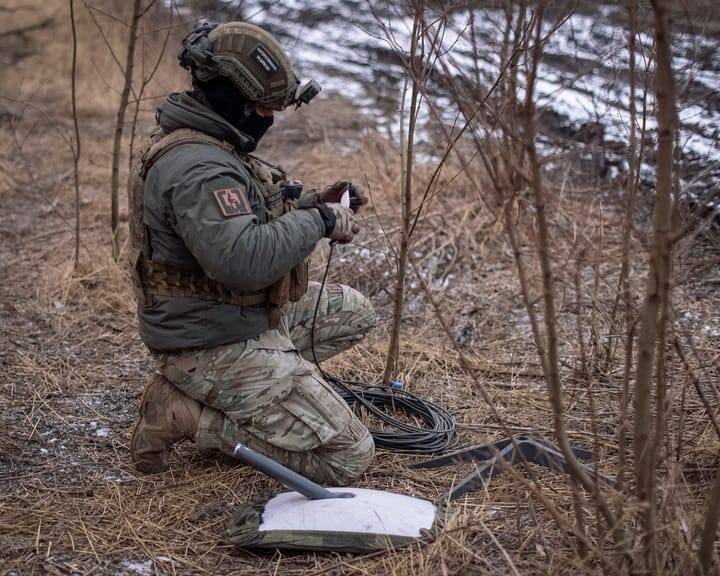
Ukrainian combat troops gain restricted access to Starlink satellite internet
Ukrainian soldiers experienced a sudden disruption in their access to Starlink satellite internet terminals amid increased pressure from the Trump administration for Ukraine to cease long-range attacks on Russia’s oil infrastructure. These terminals, managed by Elon Musk’s SpaceX, are vital for Ukraine's military operations. The
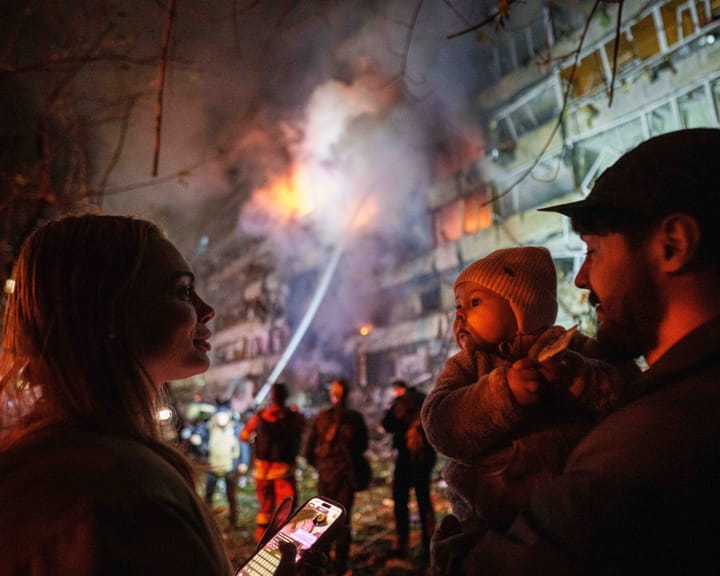
Russia's latest Ukraine attacks show 'disrespect' towards US, says Zelenskyy — Europe live
Sikorski Confronts Musk Over Starlink in Ukraine
Poland’s Foreign Minister Radosław Sikorski recently addressed Elon Musk on X, questioning reported restrictions on Starlink services in Ukraine. Poland contributes significantly to Ukraine’s funding of Starlink, which is crucial for maintaining internet connectivity in Kyiv and its military operations, with

"Breaking Stigma: Nikita Jager's Triumph in Civil Rape Case Against Conor McGregor"
Nikita Hand faced a challenging decision when considering a civil case against Conor McGregor following a 2018 assault. Despite her personal reservations about being an "imperfect victim" due to alcohol and drug use on the night of the incident, she chose to proceed. This decision stemmed from her