

Oil prices are projected to climb on Monday, and equity markets may slip as the US‑Israel conflict with Iran unsettles investors.
U.S. crude is set to increase about 9 % when trading restarts, data from broker IG show, after Tehran announced on Saturday that it had effectively sealed the Strait of Hormuz, a vital oil passage, allegedly causing the suspension of certain shipments.
IG’s weekend data indicated that U.S. crude could climb above $73 a barrel when New York trading resumes late Sunday, up from $67 on Friday night. That would mark its peak since June 2025, when the United States carried out strikes on Iran’s nuclear sites, and could translate into higher pump prices for motorists.
Barclays analysts warned that oil could hit $80 a barrel if a “significant supply disruption” occurs.
RBC analysts noted: “We understand regional leaders cautioned Washington about the spill‑over risks of another clash with Iran and flagged oil above $100 a barrel as an imminent threat.”
In London, the FTSE 100 – which reached a record high on Friday and was near the 11,000 mark for the first time – is projected to dip roughly 0.5 % on Monday morning.
Worldwide investors are likely to turn to safe‑haven assets on Monday. Gold, which has risen for four consecutive weeks, is up 2.25 % to nearly $5,400 an ounce in IG’s weekend data, while silver is trading 3.2 % higher.
Tony Sycamore, a market analyst at IG, observed: “The weekend’s U.S. and Israeli strikes on Iran (Operation Epic Fury) have introduced new geopolitical uncertainty, especially regarding potential disruptions through the Strait of Hormuz.”
Roughly one‑fifth of worldwide oil use flows through the Strait of Hormuz, so a shutdown would interrupt shipments from Saudi Arabia, the United Arab Emirates, Iraq and Kuwait, as well as Iran, creating shortages and pushing energy prices higher.
Reuters reports that a number of tanker operators, major oil firms and trading houses have halted crude oil, fuel and liquefied natural gas shipments through the Strait of Hormuz.
OPEC+, the producers’ cartel, is convening on Sunday and may contemplate raising output beyond expectations to offset the disruption.
Eight OPEC+ members have a tentative pact to boost output by 206,000 barrels per day in April, compared with an earlier forecast of a 137,000‑bpd increase, Reuters said.
The International Energy Agency (IEA) stated it is closely monitoring developments in the Middle East and their possible effects on global oil and gas markets and trade flows.
“Markets have been adequately supplied so far. I am in touch with ministers from key regional producers and IEA governments about the situation,” IEA director Fatih Birol wrote on X Sunday morning.
The conflict has also raised insurance premiums for vessels in the area, said Dylan Mortimer, marine hull UK war leader at risk‑management consultancy Mar.
Read next
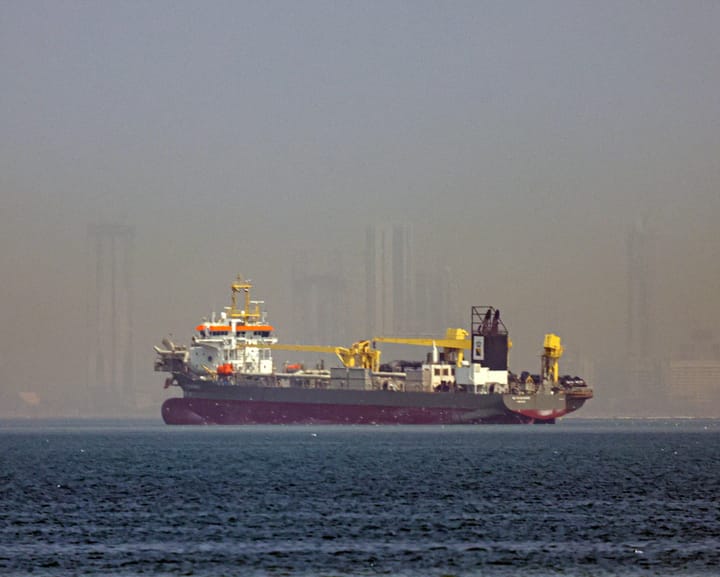
Middle East turmoil lifts oil prices, potentially fueling higher inflation.
The repercussions of the lethal and volatile clash in the Middle East for the world economy will be most immediately, and sharply, evident in the climb of oil prices.
Prices surged on Monday as markets got their first chance to absorb the weekend’s reciprocal strikes. By lunchtime in London,

Young fashion enthusiasts boost UK charity shops on struggling high streets
Young people attracted to second‑hand platforms like Vinted and Depop are supporting charity shops even as energy and labour expenses increase.
Save the Children reported a 3 % increase in retail revenue last year, with December sales 11 % higher than the previous year, generating over £1 million for its programmes.
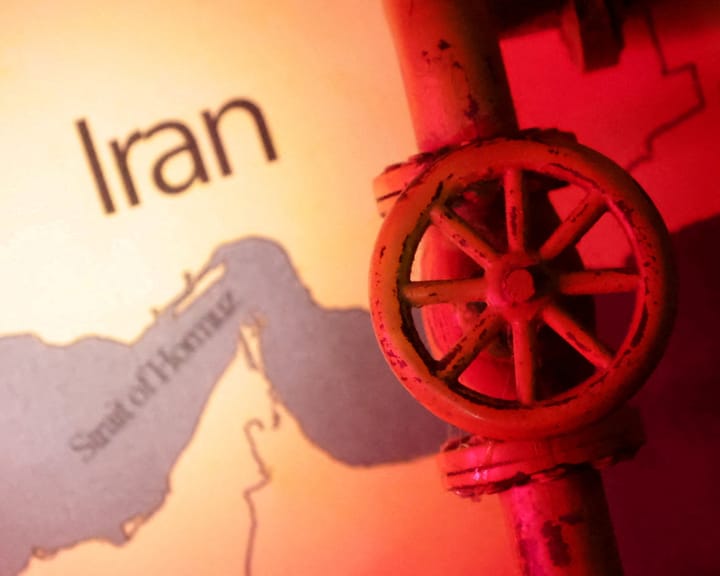
How US‑Israeli attacks on Iran could affect oil prices
Why does the Strait of Hormuz matter?
The Strait of Hormuz ranks among the globe’s key maritime corridors for international commerce. Roughly one‑fifth of worldwide oil shipments and a similar share of gas carriers traverse it.
The waterway sits between Oman and Iran. It connects the northern Gulf