
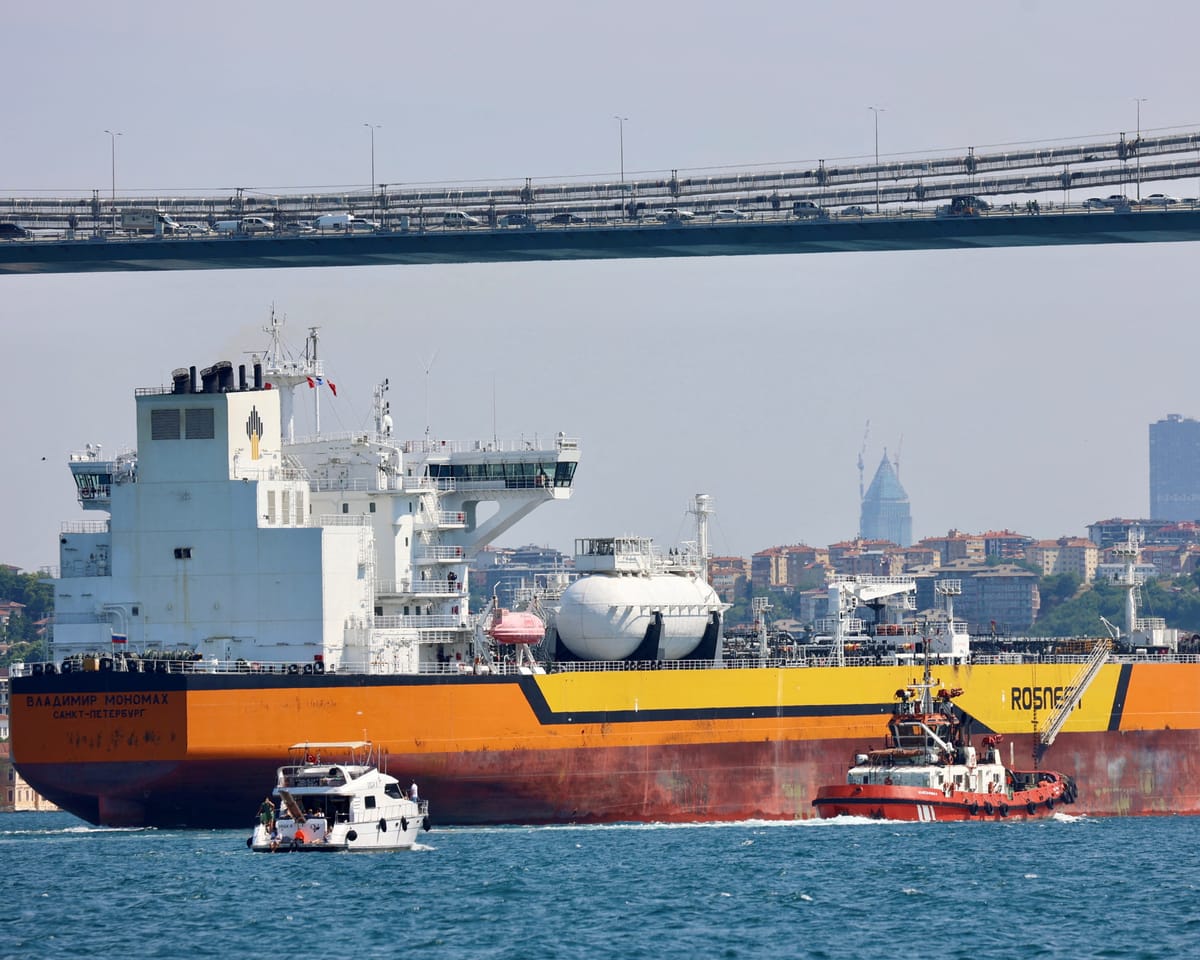
Oil Prices Rise After US Imposes Sanctions on Russian Firms
The price of oil has increased after the United States imposed restrictions on Russia’s two largest energy companies, intensifying pressure on Moscow to engage in talks to end its conflict in Ukraine.
The new measures against Rosneft and Lukoil mark the first such actions by the US since the current administration took office in January. Assets owned by the two firms in the US have been blocked, and American businesses and citizens are now prohibited from dealing with them.
Notably, the US is also warning of penalties against foreign financial institutions that continue transactions with these companies—potentially affecting banks assisting in Russian oil sales to countries such as China, India, and Turkey.
Reports indicate that Indian state-owned refiners are evaluating their oil purchases from Russia to confirm that none originates directly from Rosneft or Lukoil.
Following the US announcement, Brent crude rose by 3.8% to $64.95 per barrel, adding to a 2% gain from the previous day.
This rebound moves oil prices away from the five-month low of $60 reached earlier in the week, which had raised expectations of declining inflationary pressures.
Read next
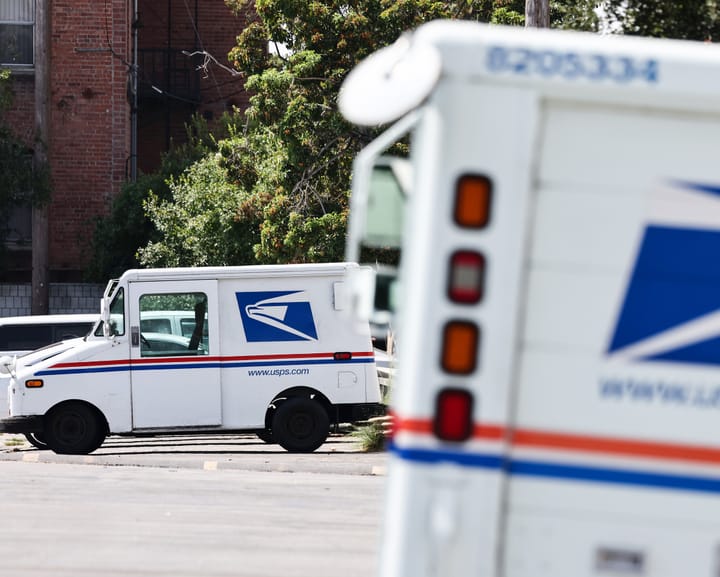
US Postal Service faces cash shortage by Feb 2027, agency chief warns
The United States Postal Service faces a cash shortfall within the next twelve months unless Congress removes the borrowing limit imposed on the agency, the postmaster general warned.
Speaking to the Associated Press, David Steiner said the service – which funds its operations through stamps and fees rather than tax revenue
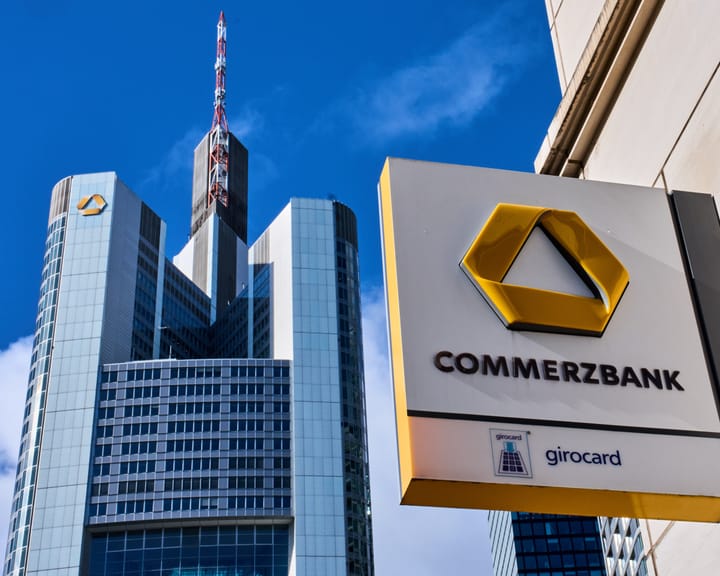
UniCredit launches aggressive bid for Commerzbank as European takeover war intensifies
Two major European banks have entered a €35 billion (£30 billion) takeover contest after Italy’s UniCredit intensified its long‑standing bid for German lender Commerzbank, despite firm resistance from the German government.
UniCredit initially acquired a 9 % stake in Commerzbank in September 2024 and has since increased its holding
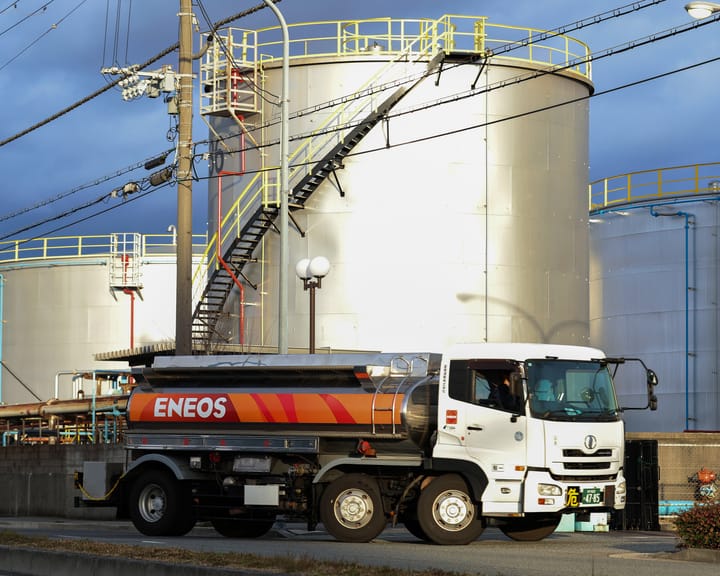
IEA weighs tapping additional oil reserves amid Iran conflict driving up prices
The international energy regulator is weighing another release of emergency crude reserves into the world market to temper climbing oil prices, after cautioning that market recovery will be slow following the ongoing strait of Hormuz crisis.
Fatih Birol, chief of the International Energy Agency, noted that member nations still hold