
The thick mud that once covered the streets of Valencia, clinging to the shoes of those who lived through the disaster, has since been cleared away. The piles of wrecked vehicles and the heaps of waterlogged possessions, which had started to decay in the humid coastal air, are also gone.
Yet, a year later, reminders of Spain’s most severe natural disaster in recent memory remain. Inside an apartment building in Benetússer, on the southern edge of the city, a sign marks a point 2.5 metres up the wall. It states: “The floodwaters reached this level on 29 October 2024.”
A sticker on the building's façade, one of many in the area, depicts Carlos Mazón, the regional leader, smiling, his hands stained red.
When heavy rains submerged parts of Valencia—dropping a year’s worth of rainfall in just eight hours in some places—many were trapped in their cars, homes, or garages. During the crisis, Mazón, a member of the conservative People’s party (PP), was engaged in a lengthy lunch with a reporter.
By the time authorities sent an emergency alert to phones at 8:11 p.m., most of the victims had already perished. The disaster claimed 229 lives in Valencia, seven in nearby Castilla-La Mancha, and one in Andalucía. Official reports indicate nearly 60,000 homes, 105,000 vehicles, and over 10,000 businesses were damaged or destroyed.
Public anger toward Mazón is starkly visible in the sticker’s message: “Mud on our [hands]. Blood on his.” Below, two words leave no ambiguity: “Mazón criminal.”
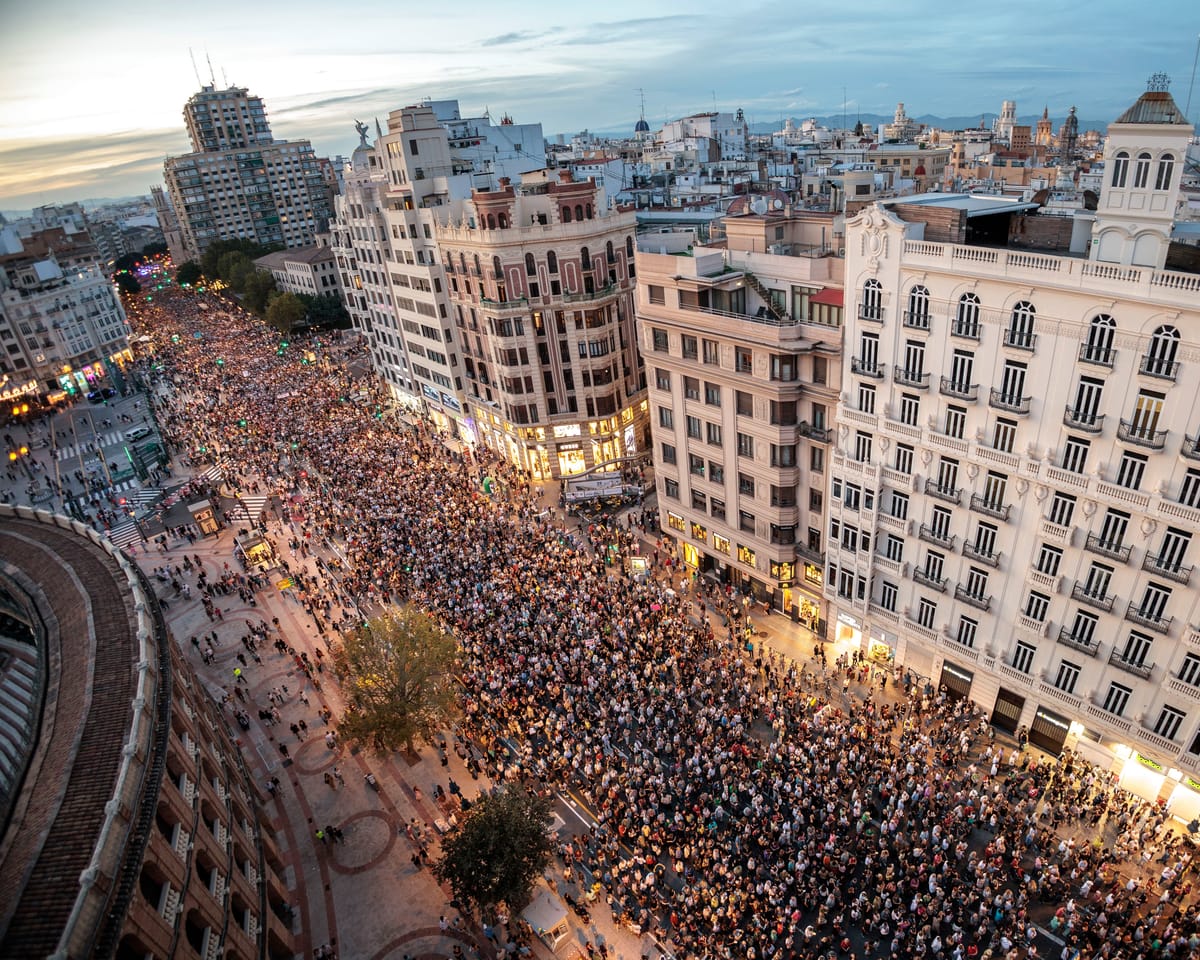
That anger was on full display Saturday night as more than 50,000 people marched through Valencia, demanding his resignation. A recent poll found 75% of residents believe Mazón should step down.
While the catastrophe has fueled political clashes and sparked official investigations, it has also exposed Spain’s stark vulnerability to climate extremes. Like the wildfires of recent years, the floods revealed how rapidly and harshly conditions are shifting across the peninsula.
“If we don’t want to leave our children a Spain scorched by fire or stained by floods, we must push for a greener Spain,” said Prime Minister Pedro Sánchez last month, unveiling a 10-point strategy to tackle the climate crisis.
Yet these disasters have also underscored how deeply politicized the issue has become.
The PP, still backing Mazón, has accused Sánchez of using the climate plan to deflect from corruption allegations involving his family and administration.
Read next
Deadly Tenerife Wave Claims Four Swimmers Pulled from Coastal Pool
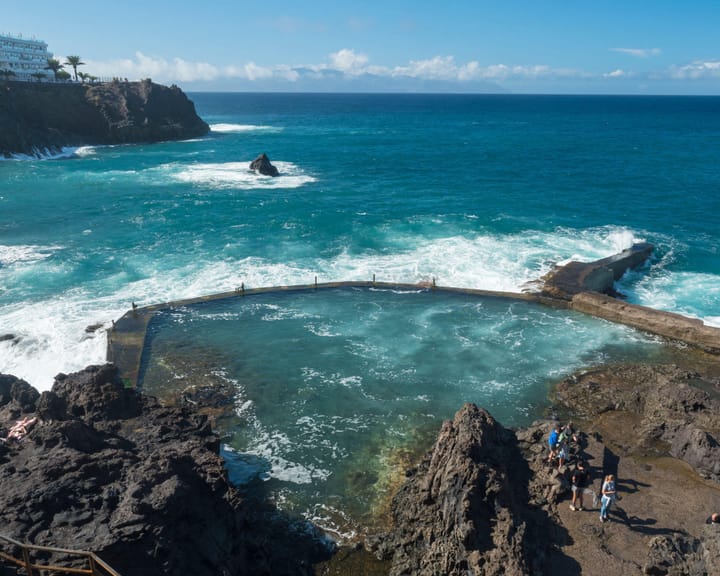
Four individuals have died and another remains missing after a large wave swept swimmers from a well-known coastal pool along Tenerife’s western shore, Spanish officials confirmed Monday.
Rescuers retrieved three bodies on Sunday—a 35-year-old man, a 55-year-old woman, and a man whose details were not disclosed—during a

Edinburgh Airport flights back on track after air traffic control disruption – live updates
Flights Gradually Restart at Edinburgh Hub After Air Traffic Control Disruption
Air travel services are slowly recommencing at Edinburgh airport after a midday halt caused by technical complications within its air traffic management system.
Operations began gradually resuming around 10:40am, as confirmed in an update shared via the airport’
France, UK Accused of Inaction Against Migrant-Targeting Activist Groups
Criticism Over Inaction Against Anti-Migrant Activists in Northern France
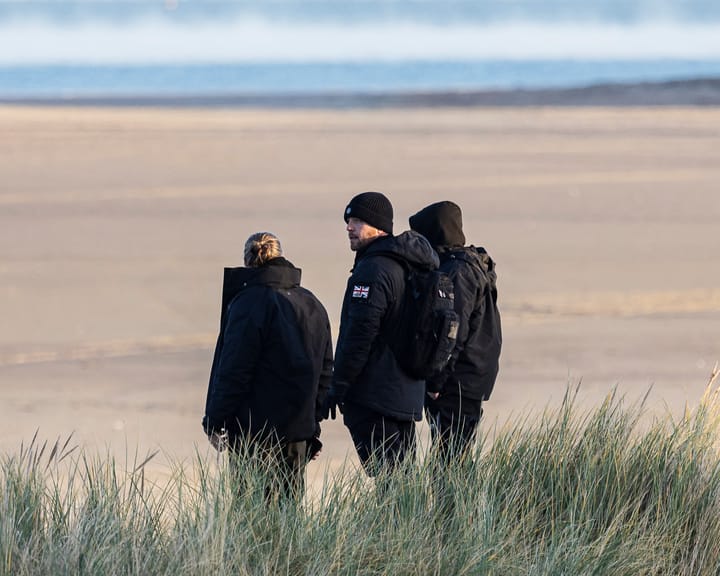
UK and French officials have faced allegations of “promoting aggressive and xenophobic conduct” by not addressing British activists traveling to northern France to disrupt small boat crossings.
Nine French organizations assisting individuals in coastal camps released a statement criticizing both governments