
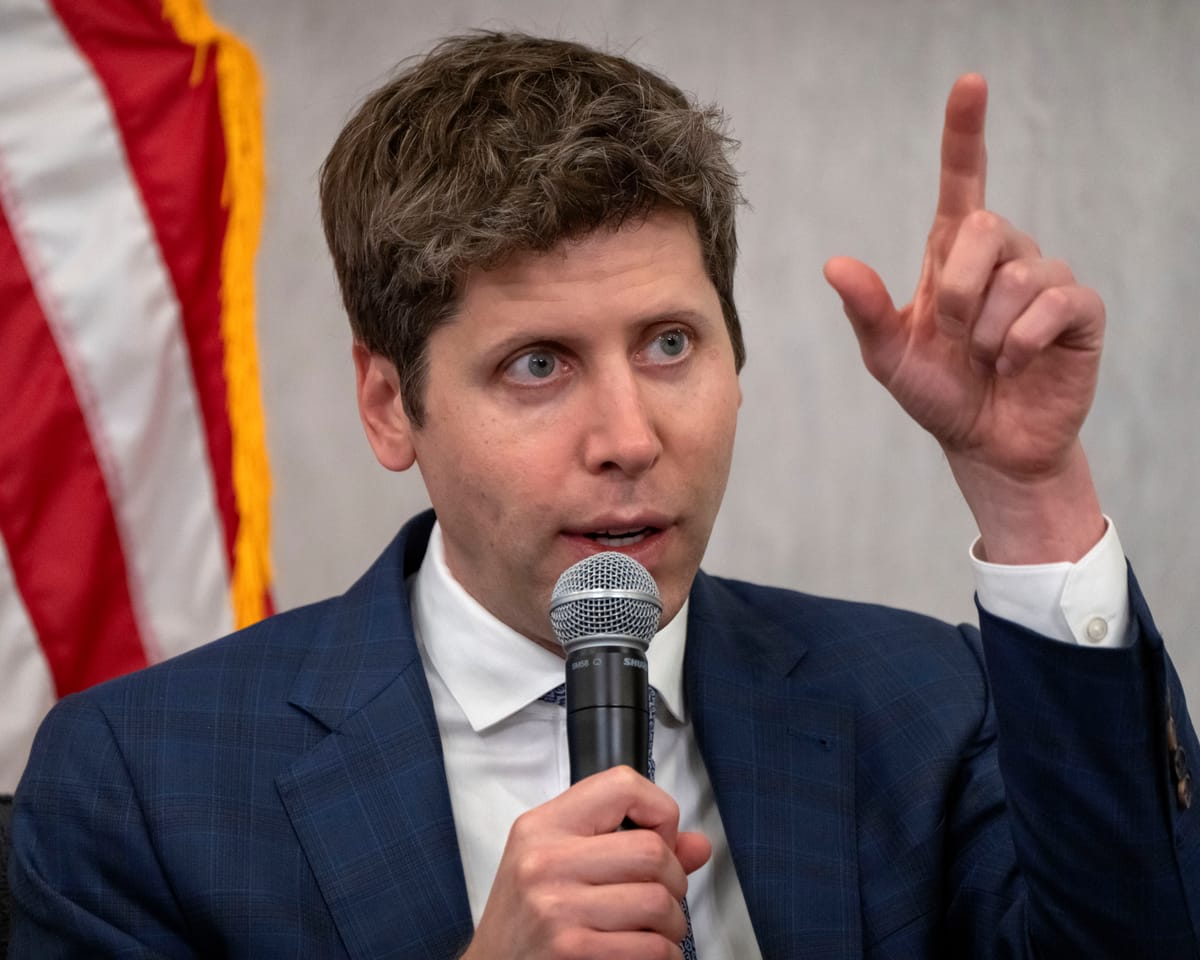
During his recent visit to Washington, OpenAI’s CEO, Sam Altman, outlined a future shaped by artificial intelligence, predicting the disappearance of entire job sectors, AI-driven guidance for government leaders, and the potential use of advanced AI as a weapon by adversarial nations. At the same time, he positioned his company as a key player in shaping this technological evolution.
Speaking at the Federal Reserve’s Capital Framework for Large Banks conference, Altman stated that certain jobs would be entirely eliminated by AI progress.
“Some roles, I believe, will completely vanish,” he said, emphasizing customer support positions. “When you contact customer service now, you’re interacting with AI—and that’s acceptable.”
Altman claimed that customer service had already undergone significant transformation, telling Federal Reserve vice-chair for supervision Michelle Bowman, “Now when you call, an AI responds. It’s highly intelligent, efficient, and makes no errors—it handles everything a human agent could, without delays or missteps.”
He then shifted focus to healthcare, suggesting AI’s diagnostic skills often exceed those of human doctors, though he hesitated to endorse full reliance on AI for medical decisions.
“Today, ChatGPT generally provides more accurate diagnoses than most doctors,” he noted. “But people still prefer human physicians. Personally, I wouldn’t entrust my health solely to AI without a doctor’s oversight.”
Altman’s trip coincided with the Trump administration’s introduction of an AI strategy aimed at refining regulations and expanding data infrastructure. His engagement with federal officials marked a shift from previous years; while OpenAI and competitors had sought regulation under the Biden administration, discussions under Trump’s leadership now emphasize outpacing China in AI development.
During a public discussion, Altman expressed concerns about AI’s destructive potential, particularly the risk of adversarial nations targeting the US financial system. Despite recognizing the benefits of AI in areas like voice replication, he warned of its misuse in fraud and identity theft, noting that some institutions still use voice recognition for verification.
OpenAI and Altman have now intensified their focus on Washington, striving to influence the path of AI governance.
Read next
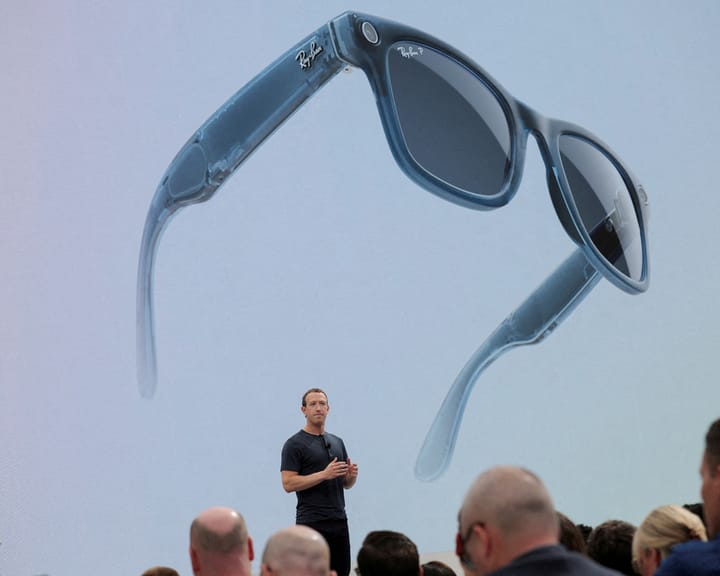
US officers worry Meta smart glasses could covertly record them
In January, the NYPD’s counterterrorism unit warned officers about a new security threat: Ray-Ban Meta glasses. A memo directed officers to “conduct thorough inspections of all eyewear permitted within inmate cells,” cautioning that recently arrested individuals could use the devices’ small cameras and microphones to record inside police

Google's Pixel 11 sets new standard for flagship phones, review finds
Google’s Pixel 11 continues to define what a base flagship phone should deliver, with leading cameras, extended software support and nearly all the features of its pricier siblings.
The standard Pixel 11 is priced at £879 (€999/$899/A$1,499), £80 higher than its previous version, reflecting ongoing

AI Expert Father of Three Shares Essential Insights for Parents on Artificial Intelligence
A father once promised his child they would write a story together called "The Day Nobody Went to Disneyland." The plot imagined a perfect day when the entire world avoided the park, expecting crowds, leaving it completely empty for a father and child to enjoy alone. Three decades