

OpenAI Introduces New AI-Enhanced Web Browser
OpenAI unveiled a new web browser on Tuesday, integrating its advanced chatbot technology into the browsing experience.
“Introducing our latest browser—ChatGPT Atlas,” the company announced in a post.
The browser aims to offer a more tailored experience by including a ChatGPT sidebar, allowing users to ask questions or interact with different elements of the websites they visit, as shown in a demo video. Atlas is currently available for Apple’s Mac operating system and will soon expand to Windows, iOS, and Android, according to OpenAI.
The ChatGPT sidebar can summarize web content, compare items, or analyze data from any page, as stated on OpenAI’s site. A select group of premium users can also access an experimental virtual assistant called “Agent Mode,” which handles multi-step tasks like trip planning and online shopping.
Additionally, the browser lets ChatGPT refine highlighted text. One example demonstrates revising an email draft with the prompt: “Make this sound more professional.”
Privacy controls allow users to manage what information ChatGPT retains, how their data is processed, and their browsing preferences. Currently, Atlas does not automatically use browsing activity to train AI models, and users can clear their history, similar to other browsers. However, if “Browser Memories” is enabled, ChatGPT may retain insights from visited sites. OpenAI’s data-sharing practices with third parties remain unspecified.
This launch follows existing AI-integrated browsers, such as Google’s Chrome, which incorporates its Gemini AI model. Competitors like Perplexity AI have also introduced similar tools. Shares of Google dipped by 4% following the announcement amid concerns over potential competition for Chrome.
Read next

US officers worry Meta smart glasses could covertly record them
In January, the NYPD’s counterterrorism unit warned officers about a new security threat: Ray-Ban Meta glasses. A memo directed officers to “conduct thorough inspections of all eyewear permitted within inmate cells,” cautioning that recently arrested individuals could use the devices’ small cameras and microphones to record inside police
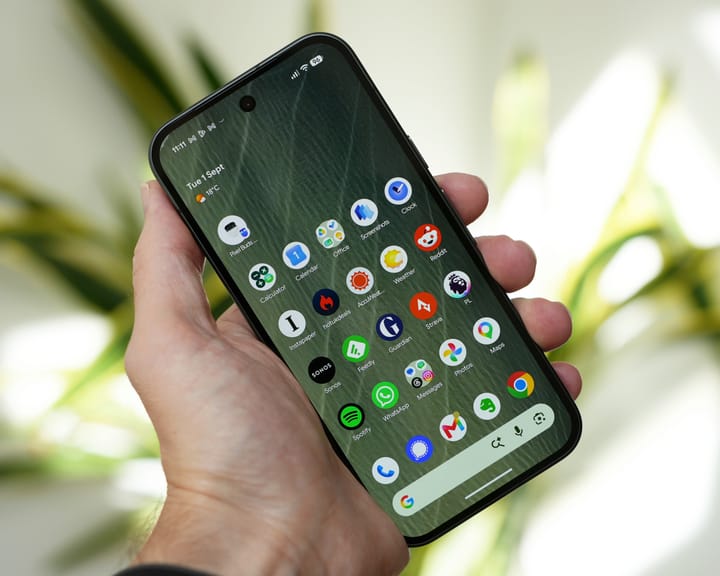
Google's Pixel 11 sets new standard for flagship phones, review finds
Google’s Pixel 11 continues to define what a base flagship phone should deliver, with leading cameras, extended software support and nearly all the features of its pricier siblings.
The standard Pixel 11 is priced at £879 (€999/$899/A$1,499), £80 higher than its previous version, reflecting ongoing

AI Expert Father of Three Shares Essential Insights for Parents on Artificial Intelligence
A father once promised his child they would write a story together called "The Day Nobody Went to Disneyland." The plot imagined a perfect day when the entire world avoided the park, expecting crowds, leaving it completely empty for a father and child to enjoy alone. Three decades