
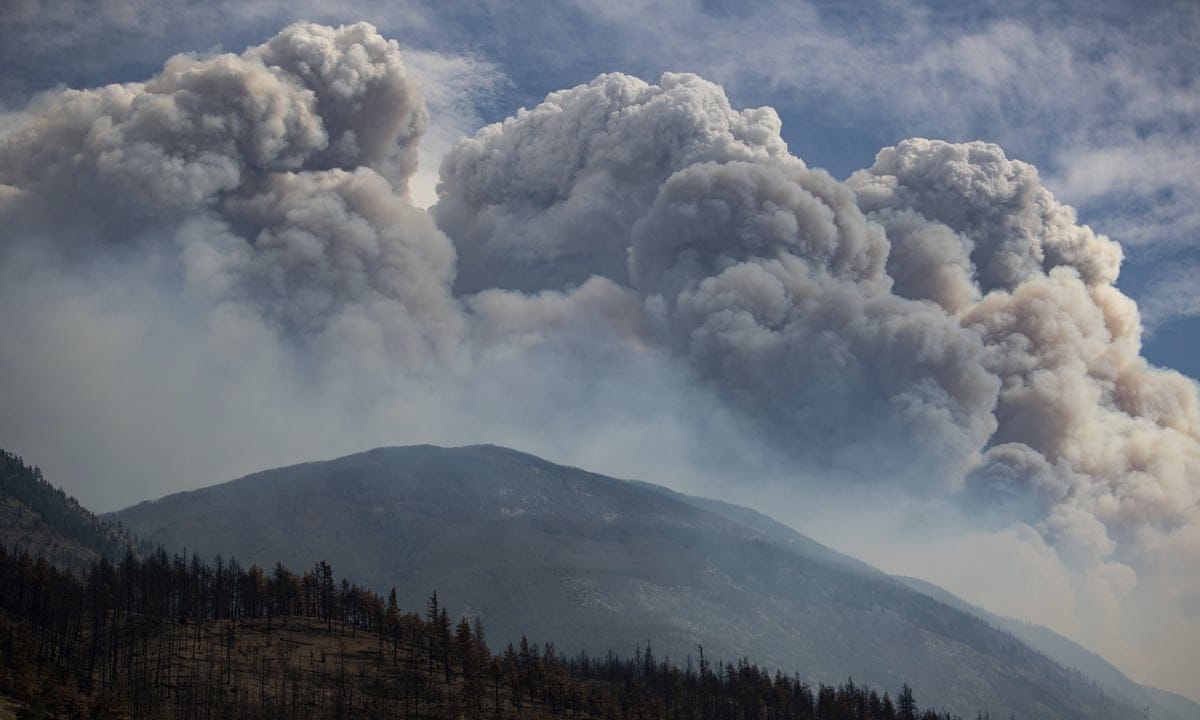
A sizable blaze ignited by a bolt of lightning has escalated rapidly across Oregon, now influencing its own meteorological conditions as reported by experts. The Durkee fire, sparked from a storm's electrical discharge, encompasses nearly 240,000 acres (97,124 hectares). This inferno endangers residential areas in and around the towns of Durkee, Huntington, and Rye Valley, alongside essential infrastructure like major highways, cellular networks, and power facilities.
Meteorologist Stephen Parker from the National Weather Service's Boise office has described how the fire exhibited exceptional behavior on three consecutive days leading to a self-contained weather phenomenon known as a "pyrocumulus cloud." This occurrence is when an overwhelmingly hot fire produces its own thunderstorm.
The pyrocumulus clouds enable smoke and debris to ascend higher into the atmosphere, potentially carrying moisture that could result in rain or lightning strikes—the latter of which may ignite additional fires in the vicinity. The presence of such a cloud was corroborated by lightning activity observed on Monday evening; however, concurrent thunderstorms made it difficult to determine their exact cause.
This incident is part of an extensive series of wildfires that have swept through states in the American West, including Oregon, California, and Utah. Compounding these blazes are persistent heatwaves with record-setting high temperatures—a challenge for firefighting efforts. Similarly troubling conditions prevail northward in Canada as fires engulf vast areas, prompting evacuations from national parks and communities alike.
In the Pacific Northwest alone, wildfire activity has already surpassed levels seen since previous years. In Oregon, a significant portion of forest land is undergoing prolonged dry spells with scant rainfall, an issue highlighted by U.S. Forest Service officials. Governor Tina Kotek declared a statewide emergency response due to the escalating wildfire risk.
The situation elsewhere in the West also presents challenges; lightning-induced fires near California and Nevada have necessitated evacuations, with repercussions for local infrastructure and recreational areas. The prevalence of droughts intensified by climate change—which has been warmer and drier over the past three decades in this region—continues to make wildfires more destructive and harder to contain.
Read next
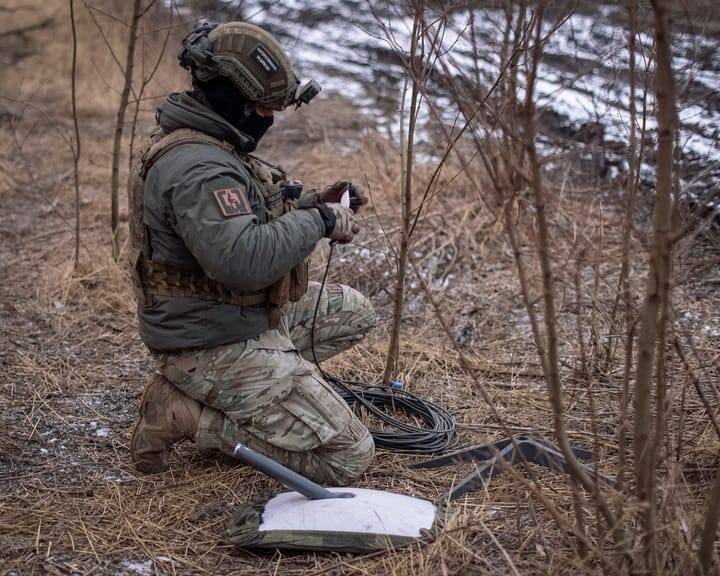
Ukrainian combat troops gain restricted access to Starlink satellite internet
Ukrainian soldiers experienced a sudden disruption in their access to Starlink satellite internet terminals amid increased pressure from the Trump administration for Ukraine to cease long-range attacks on Russia’s oil infrastructure. These terminals, managed by Elon Musk’s SpaceX, are vital for Ukraine's military operations. The
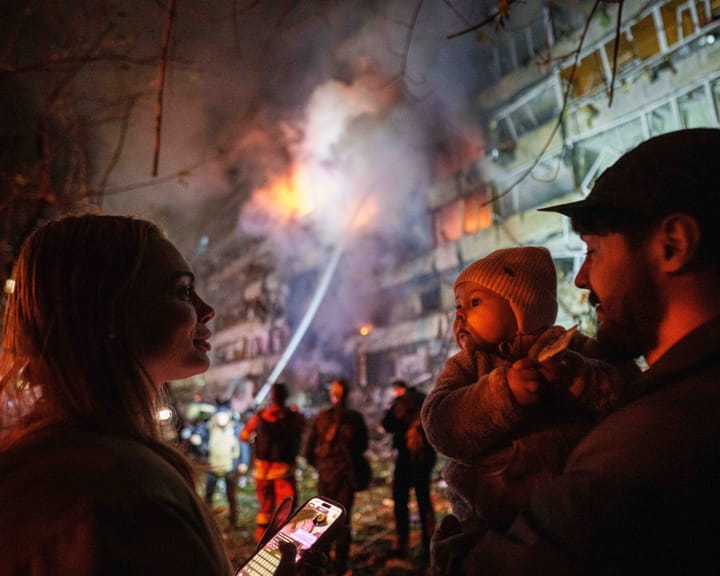
Russia's latest Ukraine attacks show 'disrespect' towards US, says Zelenskyy — Europe live
Sikorski Confronts Musk Over Starlink in Ukraine
Poland’s Foreign Minister Radosław Sikorski recently addressed Elon Musk on X, questioning reported restrictions on Starlink services in Ukraine. Poland contributes significantly to Ukraine’s funding of Starlink, which is crucial for maintaining internet connectivity in Kyiv and its military operations, with

"Breaking Stigma: Nikita Jager's Triumph in Civil Rape Case Against Conor McGregor"
Nikita Hand faced a challenging decision when considering a civil case against Conor McGregor following a 2018 assault. Despite her personal reservations about being an "imperfect victim" due to alcohol and drug use on the night of the incident, she chose to proceed. This decision stemmed from her