
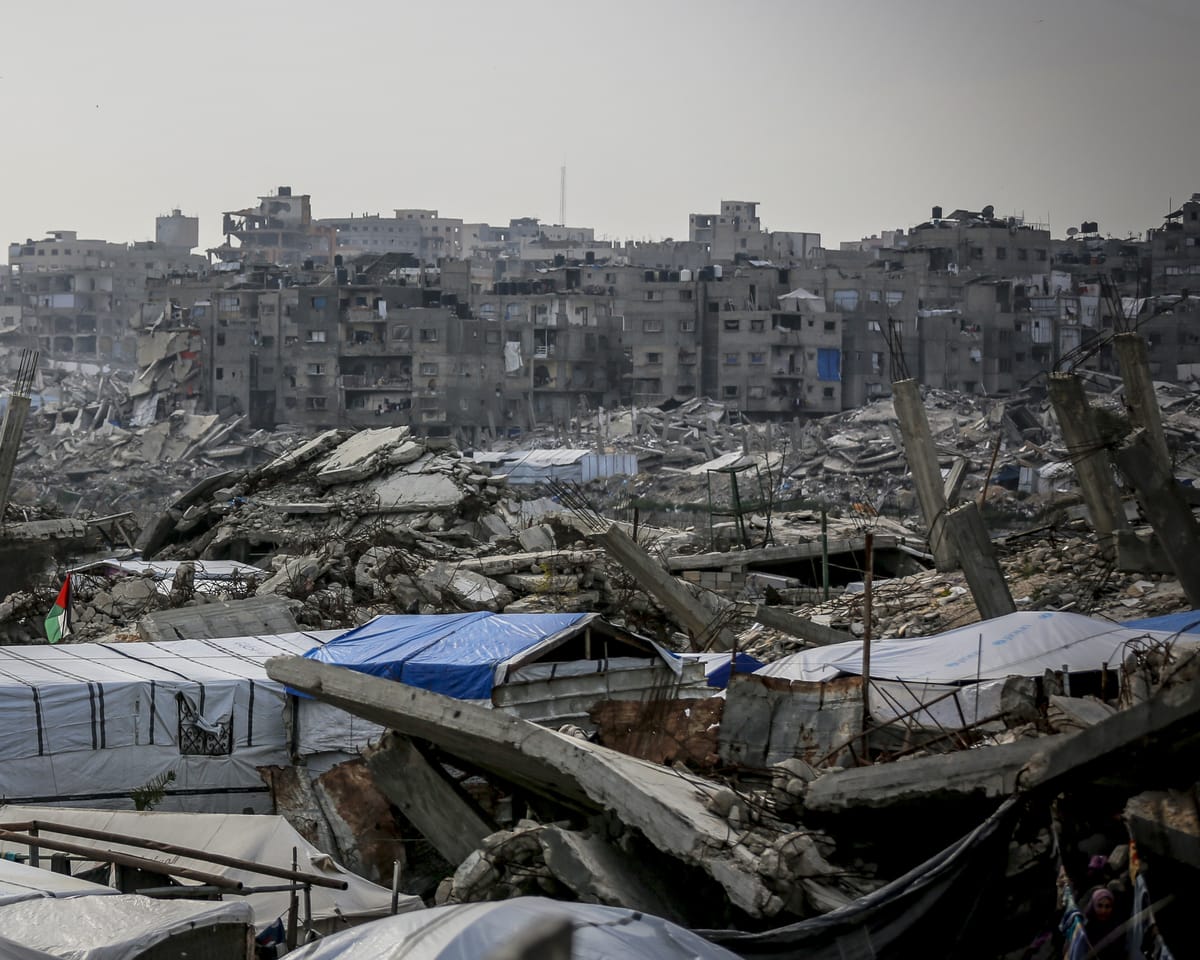
Pro‑Israeli Palestinian militias have carried out repeated raids, covert assassinations and kidnappings deep inside Hamas‑held sections of Gaza in recent months, launching fresh operations even after hostilities with Iran began.
All of the groups are stationed in the eastern part of Gaza that has been under Israeli administration since a cease‑fire took effect in October. Since last year they have received substantial logistical backing from Israel and appear to have boosted their firepower, enabling more forceful attacks in the past weeks.
Israeli strikes across Gaza, which have averaged about ten per day over the last five months, have persisted while Israeli aircraft conduct bombing missions in Iran and Lebanon.
On Sunday, an Israeli air strike and tank fire killed six Palestinians – two women and a girl among them – in separate attacks on Gaza City, the deadliest incidents there since the US‑Israeli campaign against Iran started, health officials said. Health authorities note that at least 16 Palestinians have been killed by air strikes in Gaza since the war with Iran erupted on 28 February.
The strongest of the Israel‑backed militias are the Popular Forces, based among the ruins of Rafah in southern Gaza, and the Strike Force Against Terror, operating east of the battered city of Khan Younis. Both have entered Hamas‑controlled territory in recent weeks.
Israel has assigned the militias security duties inside the area it controls and placed Popular Forces fighters at the Rafah crossing to Egypt after it was partially reopened last month. Days later, the UN human‑rights office (OHCHR) warned of “a pattern of ill‑treatment, abuse and humiliation of returnees by Israeli forces and armed Palestinians allegedly backed by the Israeli military”.
A third pro‑Israeli militia in northern Gaza, the Ashraf al‑Mansi group, sent combatants across the “yellow line” that now separates the zones of control last week, apparently to ambush Hamas patrols and possibly eliminate senior Hamas leaders. Hamas officials said they thwarted the attempt during fighting in the Nasser neighbourhood of Gaza City.
Two weeks earlier the same militia clashed with Hamas fighters in Jabaliya on Gaza City’s eastern outskirts, an area also under Hamas control.
“The militias are recruiting and becoming more active against Hamas, especially in Rafah … They seem to be gaining more leverage. The Popular Forces, in particular now, have greater capabilities and more experience,” said Nasser Khdour of ACLED, an independent conflict monitor.
“Hamas is mounting a counter‑offensive and is concentrating on borders and positions where the militias are based. That is one reason the violence has risen,” Khdour added.
The growing role of these militias adds another obstacle to plans for an international stabilisation force in Gaza.
Read next
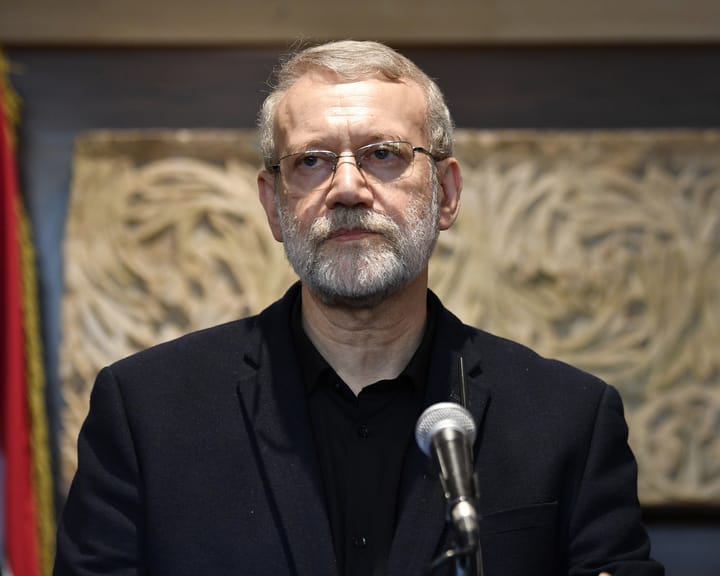
Live Middle East crisis: Iran promises retaliation for security chief's death; Israel hints at imminent strike on Beirut
Iran’s armed forces pledged retaliation for the death of security chief Ali Larijani in an Israeli strike, with the army commander warning of a “decisive and regrettable” response.
Tehran also verified that Basij commander Gholamreza Soleimani was killed, after Israel had earlier asserted that its forces carried out the
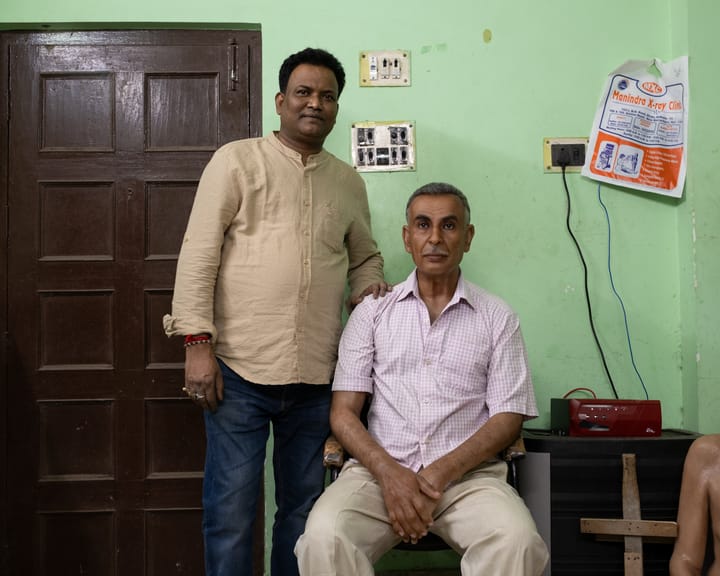
‘Almost human’: life-size replicas of the dead aid broken hearts in India
In northern Kolkata, close to Dum Dum Junction, Subimal Das and a team of about 80 operate out of an aging factory‑warehouse. With clay, fiberglass and silicone they produce life‑size copies of religious deities, cultural personalities, cricketers and film actors.
The workshop also offers a growing service: bespoke
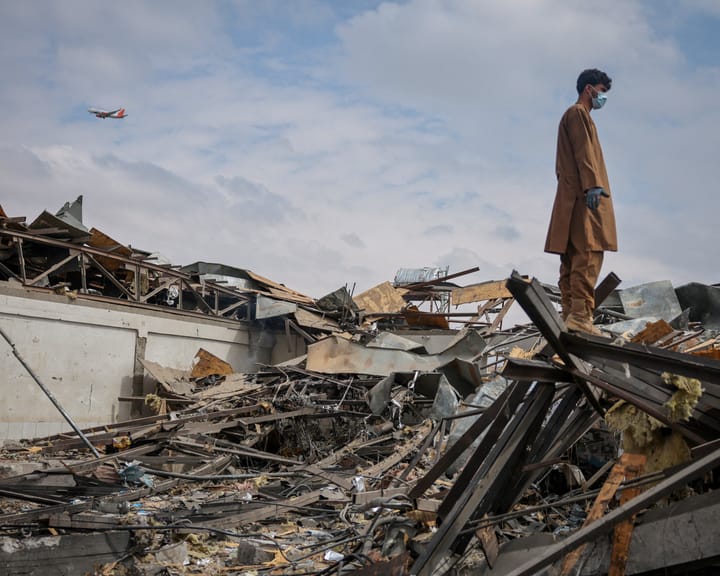
Witnesses say “Everything and people were burning” after strike on Kabul drug rehab centre.
Eyewitnesses and survivors have recounted the dreadful aftermath of a Pakistani air strike that struck a drug‑rehabilitation centre in Kabul, leaving more than 400 people dead, many of whom burned in their beds or were crushed as the structure collapsed.
Afghan rescue teams continued to pull bodies from the