
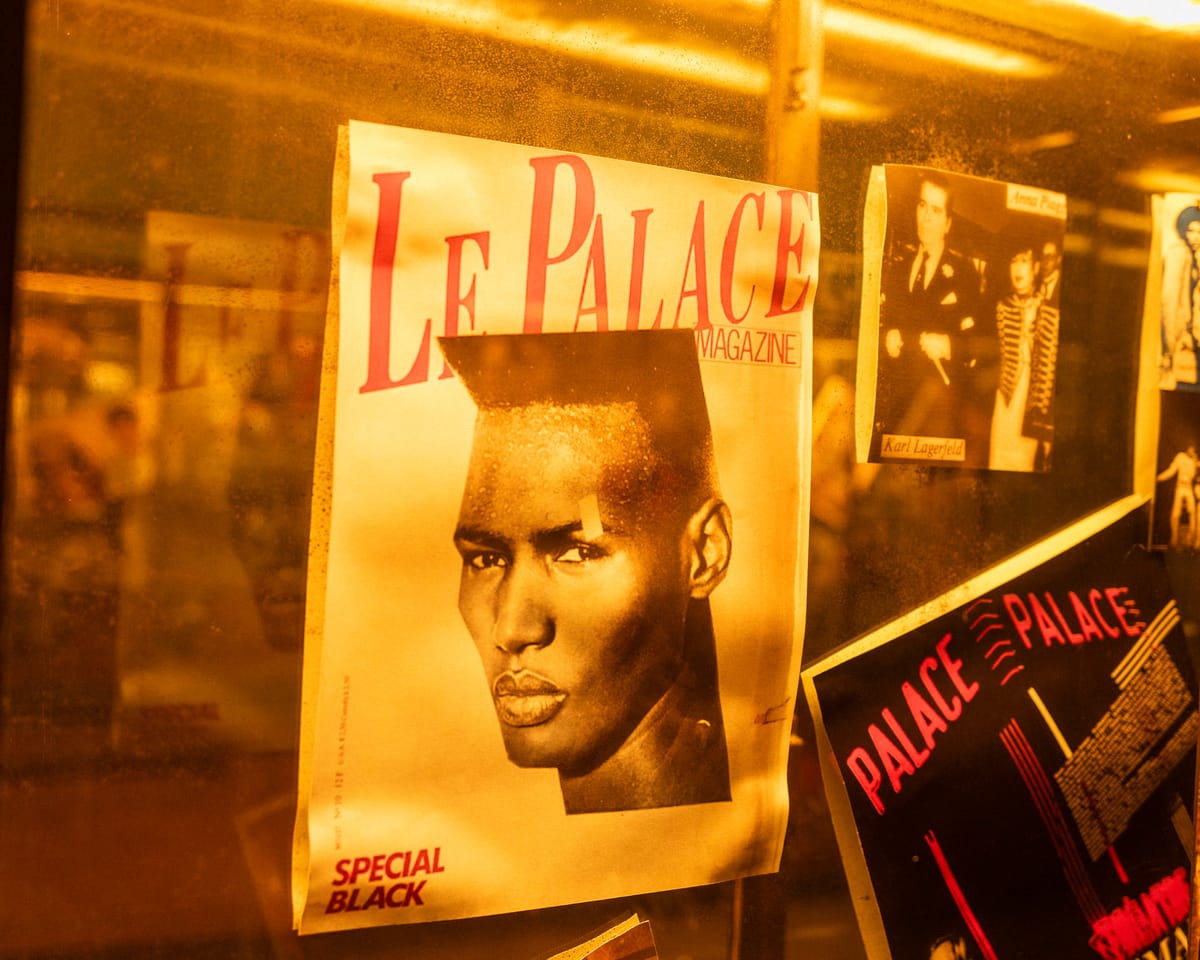
In the late 1970s, Le Palace, situated in Paris’s bustling theatre quarter, ranked among continental Europe’s most renowned nightclubs.
When the doors opened on 1 March 1978, Grace Jones captivated the invited guests with a rendition of Édith Piaf’s “La Vie en Rose.” In the months that followed, Serge Gainsbourg and Prince performed there, Bob Marley was photographed on the premises, and Mick Jagger, Andy Warhol and Karl Lagerfeld joined a glittering roster of international celebrities, politicians, designers and models who came to drink and dance.
As Donna Summer sang, the venue was “hot stuff.” Yet, within five years of its debut, the disco wave was receding. The Parisian dance hall where patrons had moved to the beat of “Stayin’ Alive” fell silent, and even Gloria Gaynor’s defiant “I Will Survive” could not revive it.
The avant‑garde club, which had drawn a generation of glitter‑ball enthusiasts, closed temporarily in 1982 when its owner, Fabrice Emaer, was diagnosed with terminal cancer. That pause proved to be the end of Le Palace as it had been known.
Today the venue is being rebuilt on the remnants of its once‑famous floor. French producer Mickael Chétrit purchased the building last year and intends to restore it as a performance space while preserving elements of its original character.
“I am too young to have experienced the club at its peak, but I have studied photographs, documentaries and spoken with former patrons,” he said during a tour of the remaining structure. “At that time, everyone recognized Le Palace.”
Since word spread that the venue aims to reopen at the beginning of 2027, Chétrit reports a surge of interest from artists worldwide who wish to appear there.
“We have received numerous inquiries from respected performers. Many French and international artists feel a connection to the place where they first performed and would like to return,” he said, declining to name individuals.
“Performing at Le Palace once carried the same weight as appearing at the Olympia. The name still holds significance.”
“I understood it was a symbolic site, but I did not realize how deeply it resonated with people,” he added. “It is a beautiful building, and its atmosphere is still palpable.
“The renovation aims to honor that atmosphere, the history and the experiences that took place here. The goal is not to erase the past but to retain the name and use its legacy as a foundation for what comes next.”
The structure on Rue du Faubourg Montmartre first opened in 1912 as a cinema, later becoming a concert hall where Tino Rossi, Maurice Chevalier and Joséphine Baker performed. In the 1920s an operetta featuring a simulated‑sex scene sparked scandal and nearly led authorities to shut it down.
After World War II it reverted to a cinema, but it closed in 1969 as French audiences shifted their preferences.
Read next
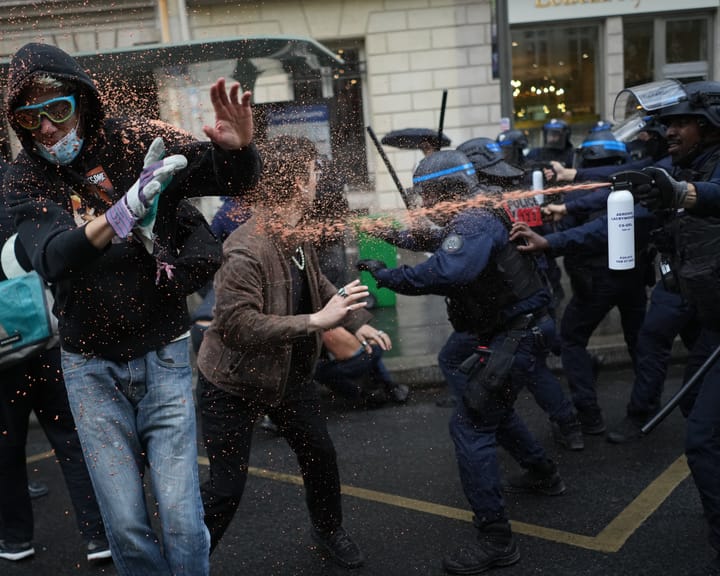
French Minister Refutes Police Brutality Claims Amid Ongoing Student Protests Across France – Europe Live
In recent developments, French Interior Minister Laurent Nuñez has refuted claims of excessive police force during the ongoing student protests in France. He emphasized that police action is only taken in response to violence or property damage. Addressing lawmakers, Nuñez described the protests as "unprecedented" due to the
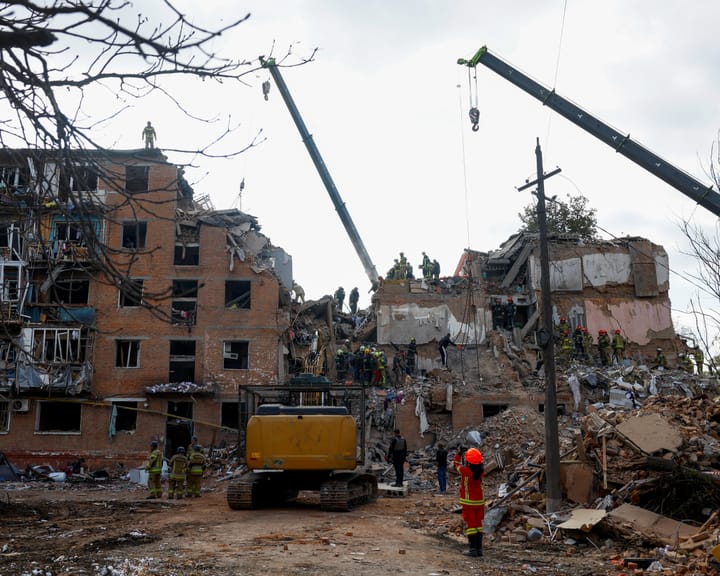
Ukraine Reports Russia Bombed Apartment Building Coinciding with Putin's Birthday
Volodymyr Zelenskyy has accused Russia's military of deliberately targeting civilians and bombing residential buildings as a grim gift for Vladimir Putin, who celebrates his 74th birthday on Wednesday.
Ukraine’s president described Russia’s overnight drone and missile strikes, which killed at least 24 people, as “despicable.” “The
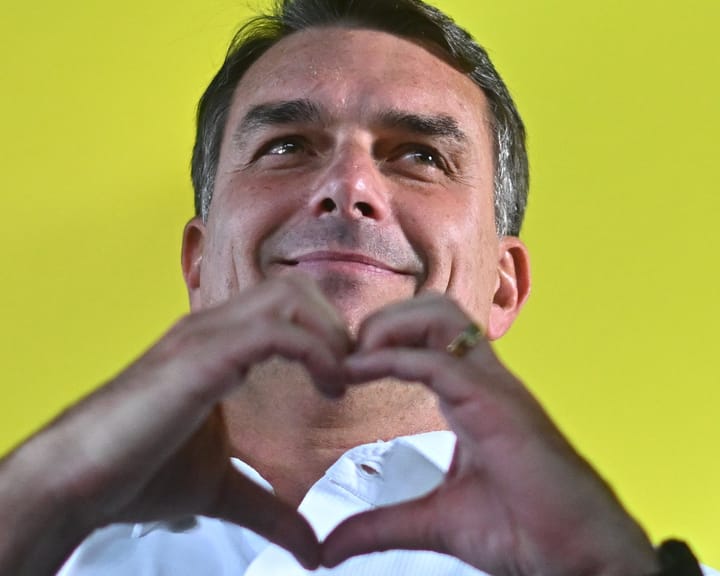
Fears of 'another coup d'état' grow as Flávio Bolsonaro vows to 're-democratise' Brazil
Flávio Bolsonaro, the leading candidate for Brazil's presidency, has promised to "re-democratise" the nation, raising concerns about potential authoritarian governance should he win. Brazil transitioned to democracy in the 1980s after a harsh 21-year dictatorship, a period lauded by Flávio's father, former