
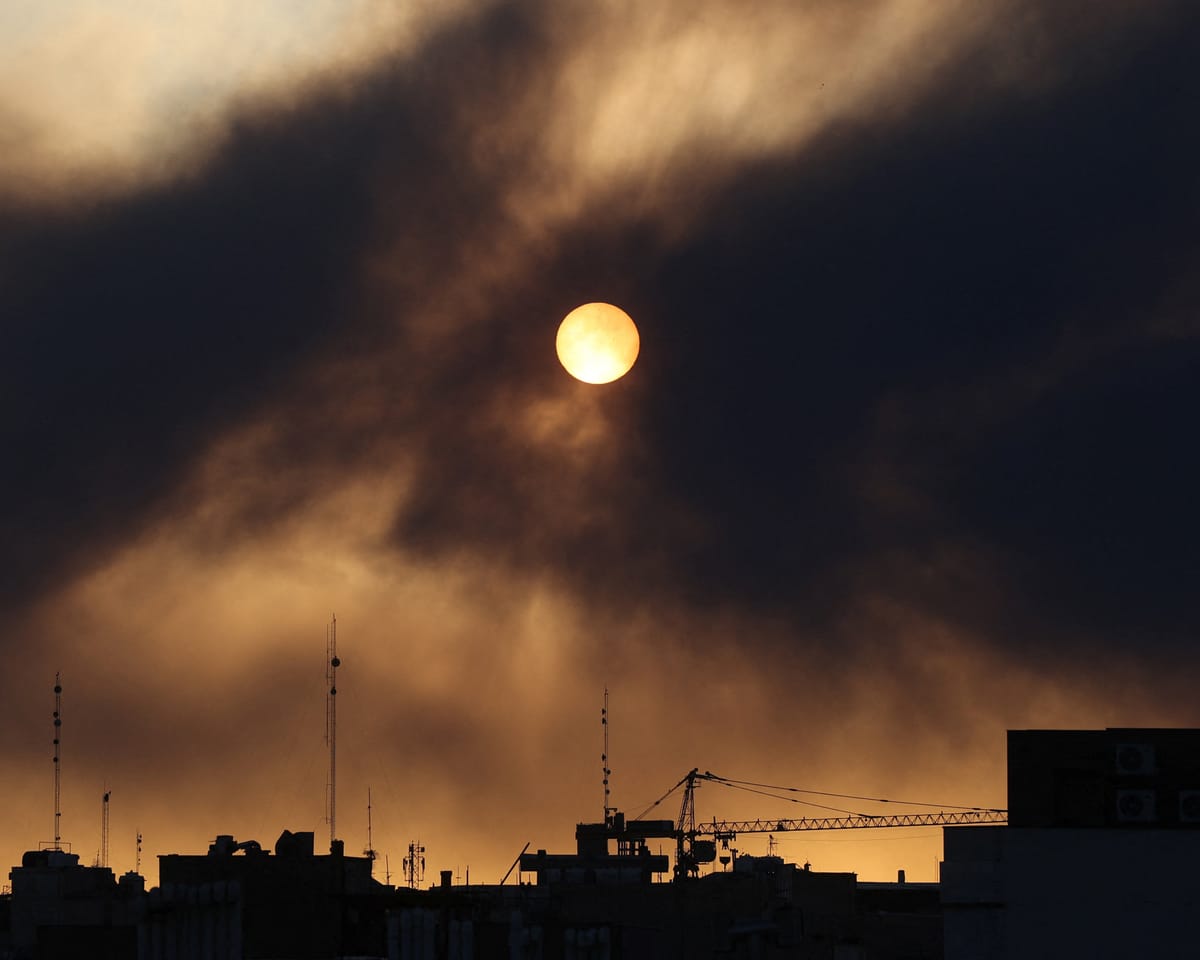
Compiling statements from U.S. and Israeli officials about the strike on Iran, the operation seems aimed at delivering the greatest possible blow to the nation’s core power structures—chiefly its nuclear and missile initiatives and the Islamic Revolutionary Guard Corps (IRGC).
The overarching aim, as repeatedly voiced by Donald Trump, is to clear the path for a mass uprising that would topple the clerical regime that has ruled for 47 years. Trump has framed the severe attack as a once‑in‑a‑lifetime opportunity for Iranians to “take back your government.”
A change of regime looks more like an aspiration than a concrete plan, leaving outcomes to chance and variables that the current actors will find difficult to steer or even anticipate.
Experts outline four broad scenarios that could emerge from this fresh Middle‑East conflict. They are ordered not by probability but by decreasing tranquility, ranging from an orderly, benign shift to outright chaos.
The swift transition
This is the ideal picture imagined by the U.S. and Israeli leaders who launched the surprise raid on Saturday morning. Iran’s regular forces and the IRGC would lay down their weapons, as Trump demands, while assorted opposition groups unite to establish an interim administration, perhaps headed by Reza Pahlavi, the exiled son of the shah who ruled from 1941 until the 1979 Islamic Revolution.
As election preparations begin, the provisional cabinet would hand over the remnants of Iran’s nuclear effort to the United States—specifically the outgoing regime’s centrifuges and a stockpile of 440 kg of highly‑enriched uranium (HEU)—and renounce long‑range missiles. It would also allocate the majority of access to Iran’s oil sector to U.S. energy firms.
Analysts consider this the least probable outcome. History shows that when autocracies fall they are often replaced by another authoritarian rule. Violent transitions further diminish the odds of a democratic result, and when the catalyst is bombs dropped from 50,000 feet (15,000 metres), the likelihood drops to near zero.
The IRGC is unlikely to relinquish its arms to a hostile crowd or to a monarchist‑led provisional government, aware that its members, after decades of dominance, would scarcely survive such a surrender.
Pahlavi enjoys wide name recognition and is the most prominent single opposition figure, yet many Iranians mistrust him and question his democratic credentials, recalling the harshness of his father’s reign. They would not readily accept his leadership.
Any new secular interim authority would probably be bound together by a common nationalism, making it reluctant to relinquish the levers of Iran’s geopolitical influence.
The Maduro model
In the U.S. strike on Venezuela at the start of January, the country’s defiant ruler, Nicolás Maduro, was swiftly removed.
Read next

Sánchez reaffirms “No to war” stance after Trump threatens to halt trade with Spain
The Spanish prime minister, Pedro Sánchez, answered Donald Trump’s stark warning to halt all trade with Spain after his government declined to support the United States’ ongoing strikes against Iran, likening the escalating Middle‑East tension to a game of “Russian roulette with the fate of millions”.
Sánchez, a
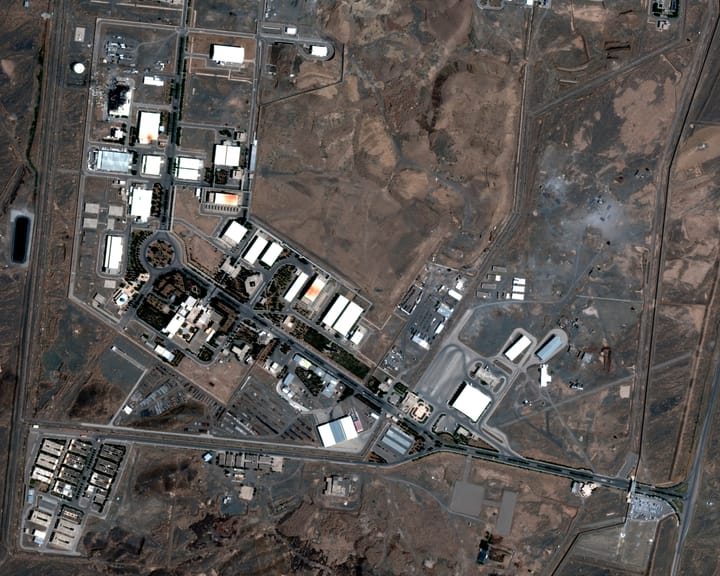
Experts warn that efforts to dismantle Iran’s nuclear program could backfire, nudging the regime toward a bomb.
The U.S.–Israeli offensive against Iran aims to settle a 24‑year dispute over Tehran’s nuclear effort, yet experts on proliferation caution it could backfire and push the regime toward a covert bomb.
Tehran has repeatedly asserted that its nuclear work is peaceful and that it has no
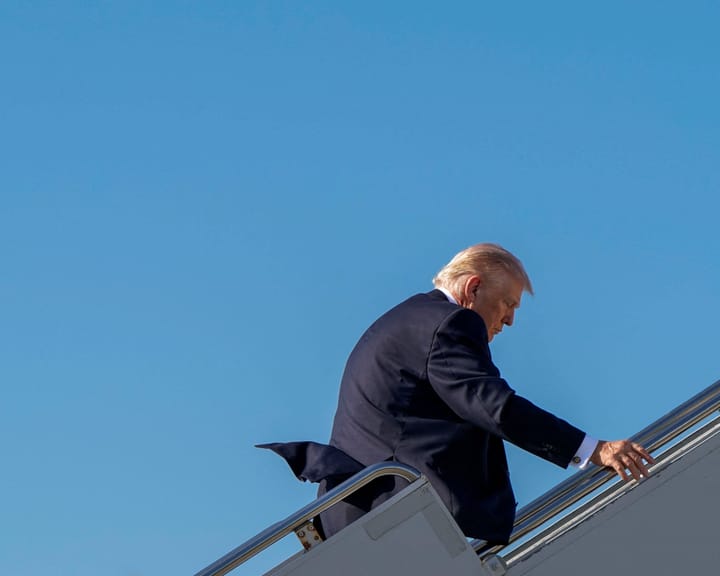
Trump administration still hasn't clarified its reasons for waging war on Iran
It required months for the false statements of the Bush administration concerning weapons of mass destruction in Iraq to surface, after an invasion, a regime change, a probe, and finally the revelation. By contrast, the Trump administration’s alerts about an imminent Iranian danger emerged within a single afternoon.
On