
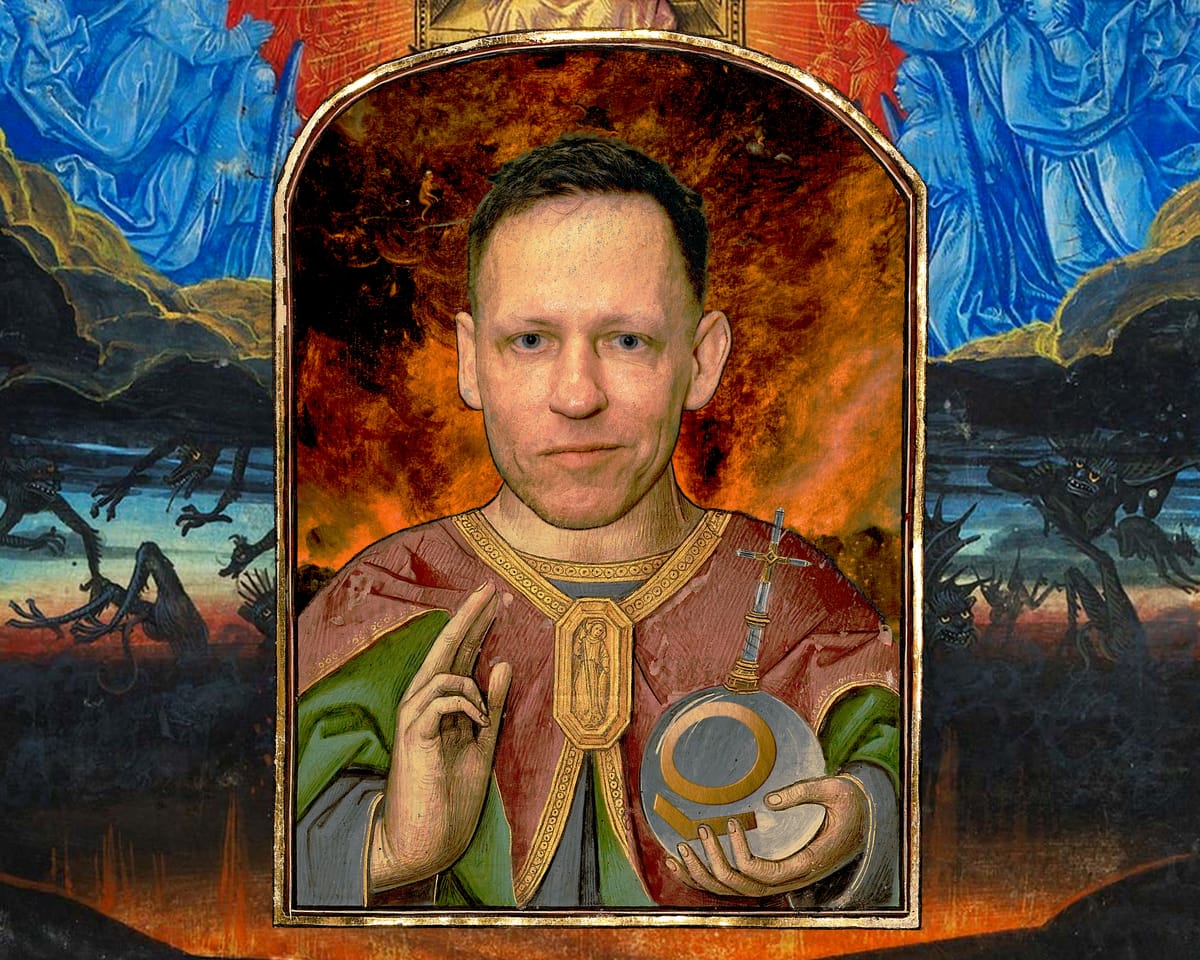
Peter Thiel’s Unusual Academic Pursuits
Peter Thiel is known for his skepticism toward academia. Yet, in four recent private lectures in San Francisco discussing the antichrist, the billionaire investor has made an unexpected case for intellectual credentials.
During these wide-ranging talks, Thiel appeared to channel the eclectic thinking he once admired in the works of philosopher René Girard, a Stanford professor he knew and long respected. Unfortunately, Thiel’s musings often veer into speculative territory, more reminiscent of a conspiracy-laden thriller than rigorous analysis.
Thiel has previously tested his apocalyptic presentations at Oxford, Harvard, and various theology departments, as well as on a handful of podcasters. For someone so critical of higher education, he dedicates a surprising amount of time engaging with it.
The lectures paint Thiel as a figure wrestling with his own influence. At one point, interpreting a Japanese manga, he tells his audience, “In my view… the world is essentially governed by something like the antichrist.” This from a man who, alongside a few Silicon Valley peers, played a role in returning an unfit leader to power—a leader who then wielded government authority to reshape society. A man whose investments fuel companies that harvest personal data, influence public exposure, and affect lives. A man who backs far-right movements seeking to redefine liberal democracy.
### Beyond the Ivory Tower
To his credit, Thiel has achieved remarkable success outside academia. Already wealthy by 30, he has championed skipping college, arguing that higher education is an overvalued bubble. In his first book, co-written with David Sacks, he dismissed U.S. universities as echo chambers of declining standards. Despite evidence to the contrary—competitive admissions, academic research, and prestigious awards—he has clung to this view, dismissing institutions as little more than hollow credentialing factories.
Last September, an Austrian publication featured theologian Wolfgang Palaver, one of the academics Thiel consulted while refining his antichrist theory. Palaver suggested that Thiel turns to scholars because, in his world, “Who else tells him the truth to his face?”
There’s a certain irony in picturing an audience, perhaps intimidated by Thiel’s reputation and wealth, following him through tangled lectures that grow increasingly disjointed. Thiel seems lost in a web of his own references and fixations. One can only imagine polite theology professors enduring these digressions, nodding along as the talks spiral further from coherence.
Read next
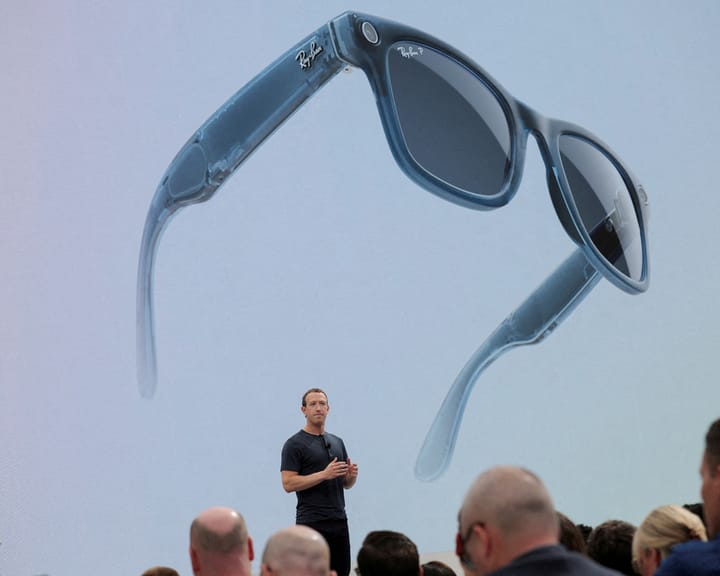
US officers worry Meta smart glasses could covertly record them
In January, the NYPD’s counterterrorism unit warned officers about a new security threat: Ray-Ban Meta glasses. A memo directed officers to “conduct thorough inspections of all eyewear permitted within inmate cells,” cautioning that recently arrested individuals could use the devices’ small cameras and microphones to record inside police
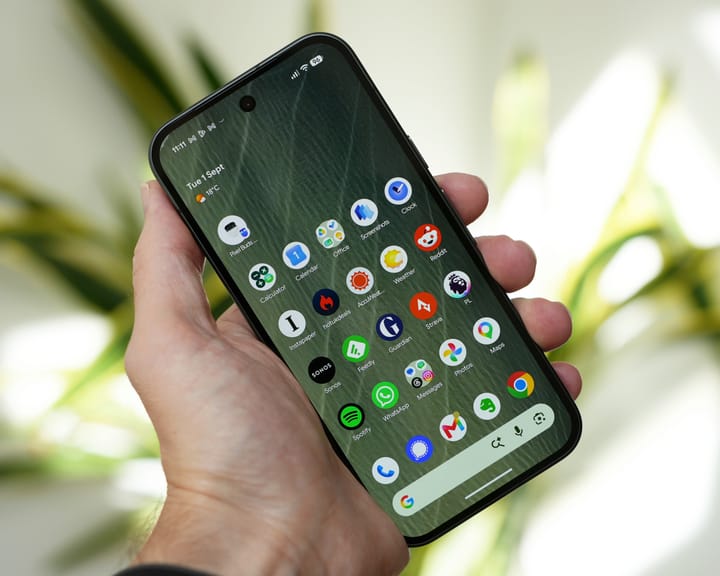
Google's Pixel 11 sets new standard for flagship phones, review finds
Google’s Pixel 11 continues to define what a base flagship phone should deliver, with leading cameras, extended software support and nearly all the features of its pricier siblings.
The standard Pixel 11 is priced at £879 (€999/$899/A$1,499), £80 higher than its previous version, reflecting ongoing
AI Expert Father of Three Shares Essential Insights for Parents on Artificial Intelligence
A father once promised his child they would write a story together called "The Day Nobody Went to Disneyland." The plot imagined a perfect day when the entire world avoided the park, expecting crowds, leaving it completely empty for a father and child to enjoy alone. Three decades