
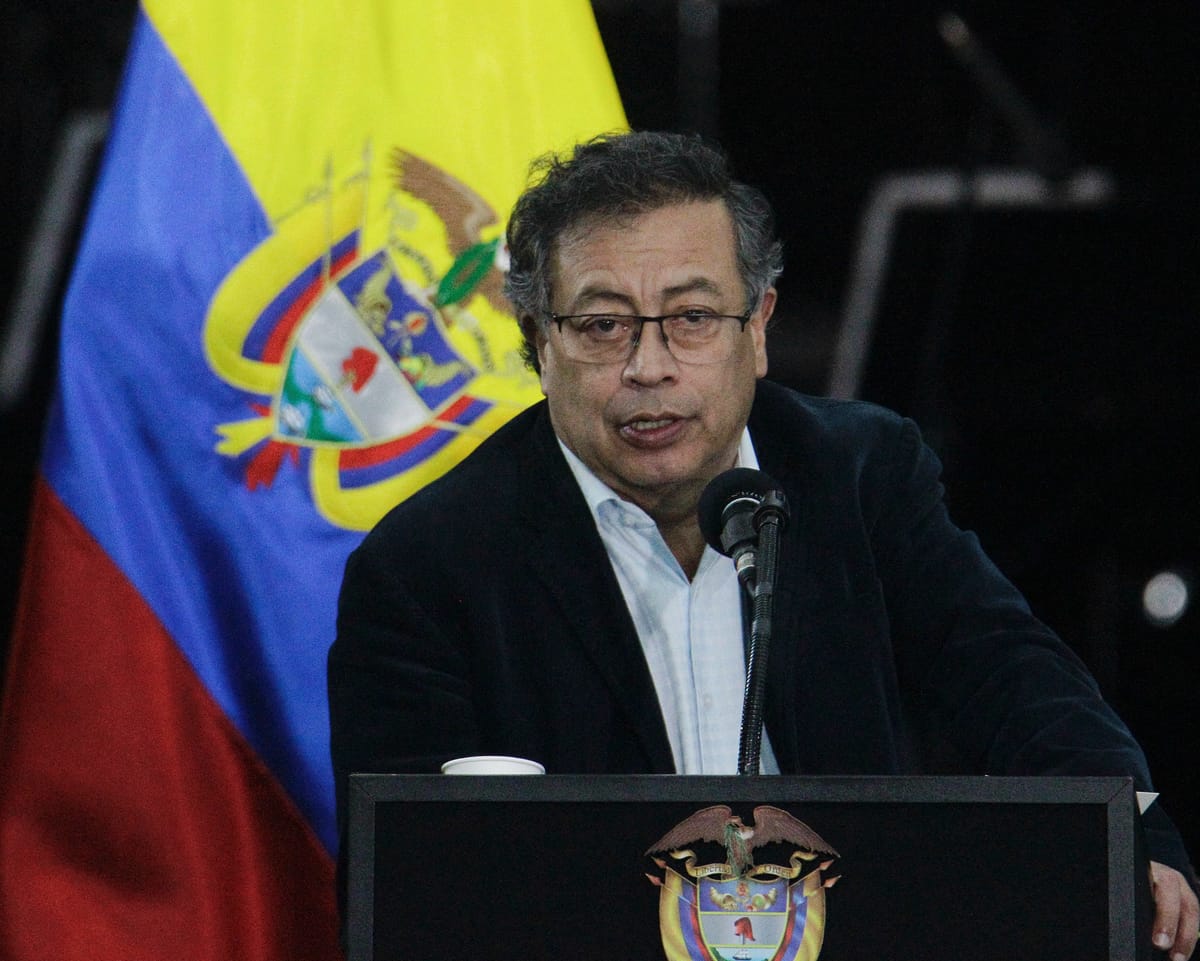
Colombian President Gustavo Petro has sparked controversy in Washington after alleging that the U.S. was responsible for the deaths of Colombian nationals during a recent maritime operation in the Caribbean.
“A new conflict zone has emerged: the Caribbean,” Petro stated on his official social media account.
Since early September, the U.S. has carried out at least four aerial strikes targeting suspected drug trafficking vessels in the region, with the first attack reportedly killing 11 people.
The Colombian leader asserted there were “indications” that the latest vessel destroyed belonged to Colombia and that Colombians were aboard.
“I urge their families to come forward with information,” Petro added, though he did not provide further details or evidence backing his claim.
U.S. authorities have reported at least 21 fatalities from these operations. Defense officials claimed four “narco-terrorists” were killed in international waters near Venezuela while allegedly transporting large quantities of drugs to the U.S.
However, the identities of those killed have not been disclosed, and officials have not furnished proof that the victims were involved in drug trafficking.
The White House rejected Petro's allegations, demanding he retract what it called an “unfounded and unacceptable statement.” Still, unnamed U.S. sources acknowledged to the New York Times that Colombians were present on at least one of the targeted vessels.
Petro called on the U.S. to publicly release the names of those killed to verify his claims.
Washington maintains that these operations, part of a broader military presence in the Caribbean, aim to combat drug smuggling groups allegedly linked to Venezuela.
Yet the scale of the deployment—including warships and thousands of military personnel—has raised suspicions that the true objective may be destabilizing Venezuela’s government under President Nicolás Maduro.
“The operation is far beyond what a genuine anti-drug mission would require. This appears to be groundwork for regime change,” said Juan González, a former U.S. official, in a recent interview.
González noted that a significant portion of naval resources had been directed to the region.
Meanwhile, Maduro—who survived previous attempts to remove him from power—warned of preparations to defend against possible foreign intervention. Venezuela’s defense minister also outlined readiness for scenarios including drone strikes or covert operations by U.S. forces.
Read next
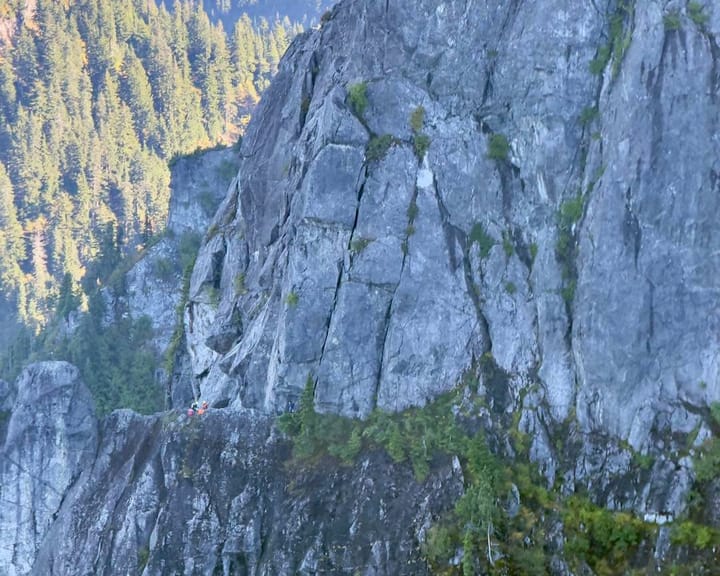
Teen's Mountaineering Attempt with Claude Ends in Emergency Rescue in Canadian Mountains
The Widowmaker Arete, a towering 1,700-foot wall in British Columbia, is misleadingly labeled as featuring "mostly easy slab climbing" with "short steep sections" including "finger cracks" and "blocky face climbing." Climbing it necessitates meticulous planning and the appropriate gear.
Last

Fading Royal Line: Growing Advocacy for Princess Aiko to Ascend Japan’s Throne
Princess Aiko, 24, is a prominent figure in Japan, often featured on magazine covers and sought after by fans for her fashion sense. Her public appearances draw large crowds eager to see her, admired for her elegance and presence. Despite her popularity, she is barred by law from becoming empress,
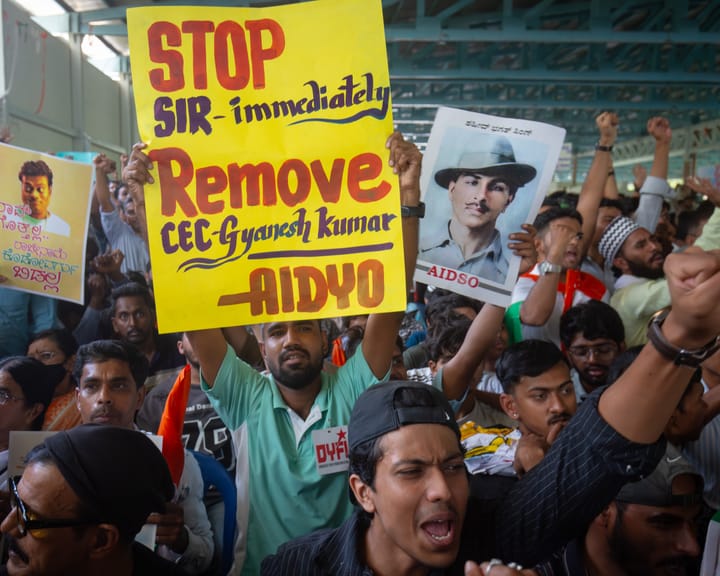
India's 'Cockroach' Party Accuses Government of Detaining Members Before Weekend Protest
India’s Cockroach Janta Party (CJP), initially a satirical movement, is now gaining political traction among Gen Z as it faces mass detentions ahead of a major anti-government protest in Delhi. The opposition, alongside student groups and the CJP, has been organizing nearly daily protests, demanding the resignation of