
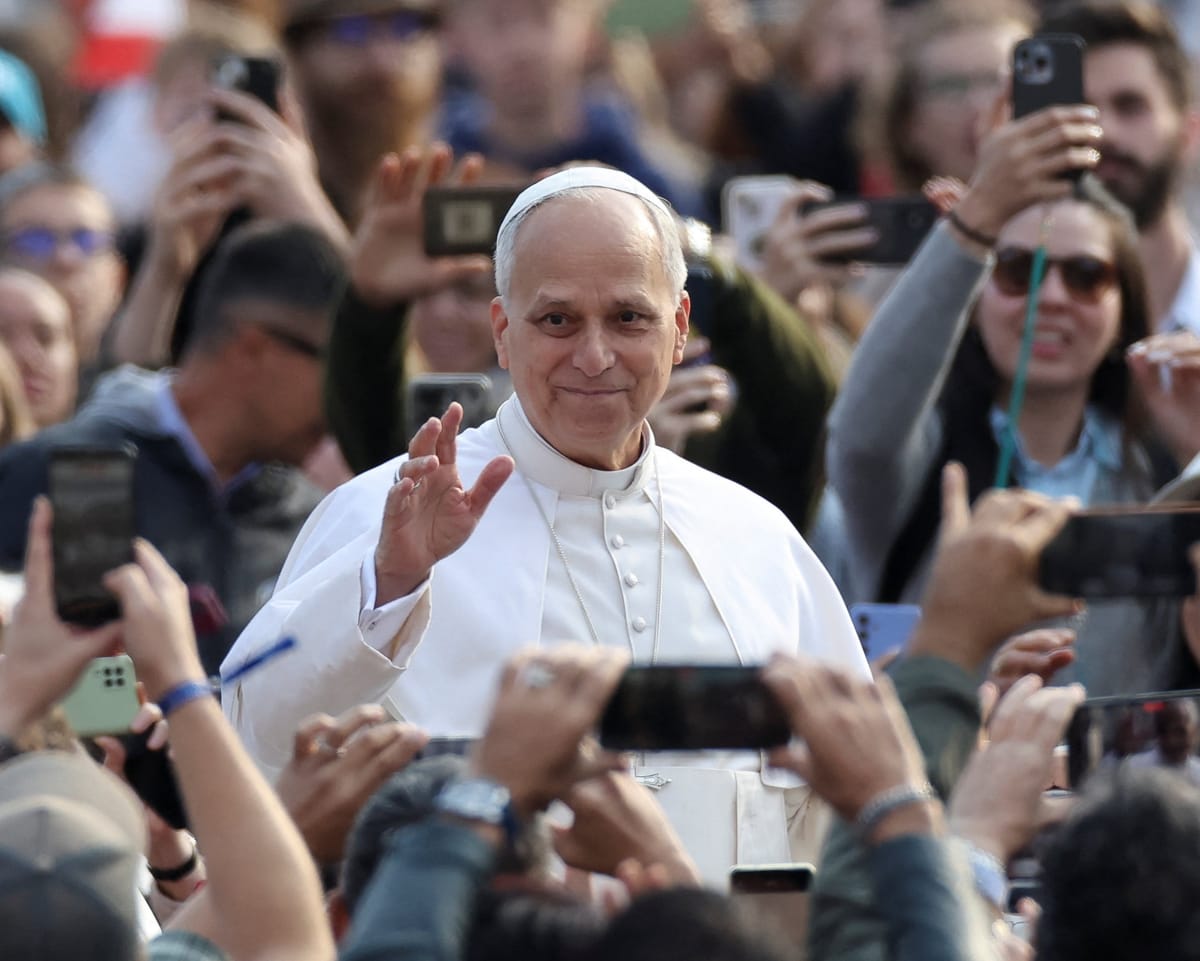
When King Charles meets Pope Leo XIV at the Vatican this week, the two leaders are expected to address urgent global concerns while also taking part in a significant moment of shared reflection.
Amid ongoing instability and growing nationalist sentiment, Leo—the first North American to lead the Roman Catholic Church—has begun defining his approach to the papacy after a quiet start to his five-month tenure.
For traditionalist Catholics who had hoped his leadership would mark a shift from the direction set by his predecessor, Pope Francis, recent developments have been disappointing.
"It's become clear in recent weeks that Leo, in terms of substance, is aligned with Francis," said Christopher White, author of *Pope Leo XIV: Inside the Conclave and the Dawn of a New Papacy* and a senior fellow at Georgetown University in Washington, DC.
"Their styles differ. Francis was spontaneous, often speaking off the cuff. Leo is more measured in his words and actions. But they share a vision of the Church as what Francis called a 'field hospital,' one that must attend to society's most vulnerable, especially the poor."
After his surprise election by the College of Cardinals in May, Leo addressed the public from St. Peter’s Basilica in Rome, emphasizing the importance of building connections. His choice to wear a traditional red mozzetta, which Francis had rejected, pleased conservative observers.
Leo took up residence in the papal apartments of the Apostolic Palace, unlike Francis, who opted for the simpler Santa Marta guesthouse. He also spent several weeks over the summer at Castel Gandolfo, a papal retreat Francis largely avoided.
Additionally, Leo met privately with Raymond Burke, a well-known conservative American cardinal, and Robert Sarah, a Guinean prelate—both vocal critics of Francis. He permitted Burke to conduct a Latin Mass in St. Peter’s Basilica, a request Francis had denied.
Unlike his predecessor, Leo appeared less likely to issue impromptu remarks on divisive topics or rebuke certain cardinals and Vatican officials for their extravagant lifestyles and hierarchies.
These moves initially suggested a departure from Francis's approach, leading some to anticipate a shift in direction. Recent developments, however, indicate otherwise.
Earlier this month, Leo hosted a group of U.S. bishops at the Vatican. They presented him with letters from migrants in the U.S. detailing raids on their communities and their fears of deportation under Donald Trump’s strict immigration measures.
During the meeting, the pope left no doubt about his stance. "He made it clear he wants the bishops to advocate forcefully on this matter," Bishop Mark Seitz of El Paso, Texas, told Reuters. "Hearing his personal hope that we continue raising our voices means a great deal to us."
Three days before this gathering, Leo spoke about migration during a public Mass attended by over 10,000 people in St. Peter’s Square.
Read next
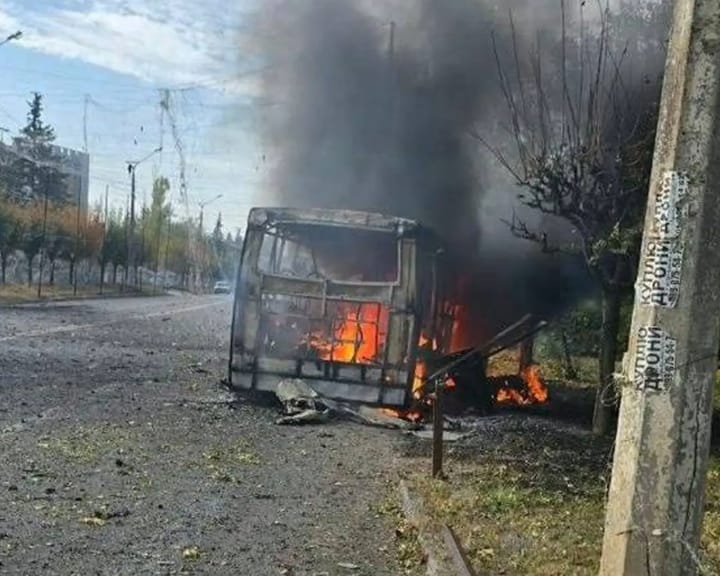
Russian Assault on Buses Near Ukraine Border Results in 30 Deaths
Thirty people have been killed and eighteen injured following an attack by Russia on two passenger buses in Kramatorsk, near the frontline in eastern Ukraine, according to local authorities.
The Donetsk regional prosecutor's office reported that the death toll from the morning attack on the buses had reached

Ethiopia Conducts Drone Strike on Eritrean Forces in Tigray Region
Eritrean forces reportedly crossed into Ethiopia's Tigray region and faced drone attacks from Ethiopian government forces, raising concerns about the potential for a broader regional conflict between the two neighboring countries.
Military vehicles transporting soldiers crossed the southern border of Eritrea into Tigray on Wednesday, reaching Adigrat, approximately
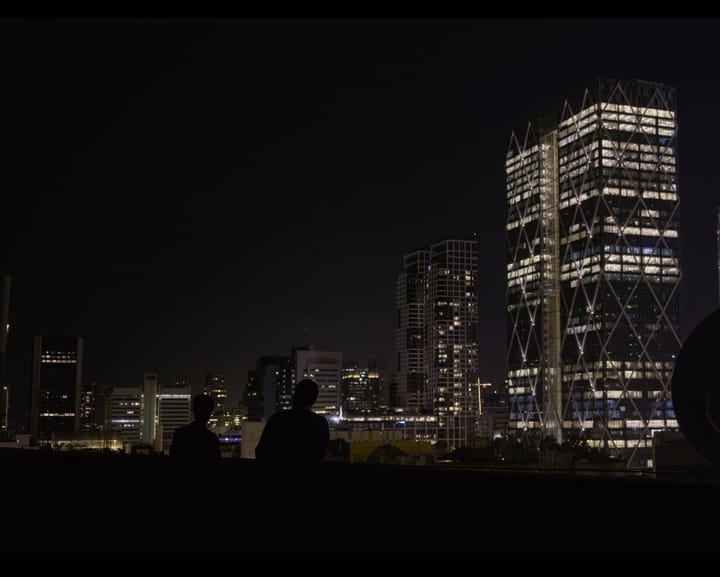
Israel Advances Film Resembling NAZA Documentary
The Israeli government is promoting an online film project designed to counter the findings of the award-winning documentary NAZA, which details Israel’s mass killings of civilians in Gaza. NAZA, directed by Oscar-winning filmmakers Yuval Abraham and Rachel Szor, is currently in cinemas and will be shown in