
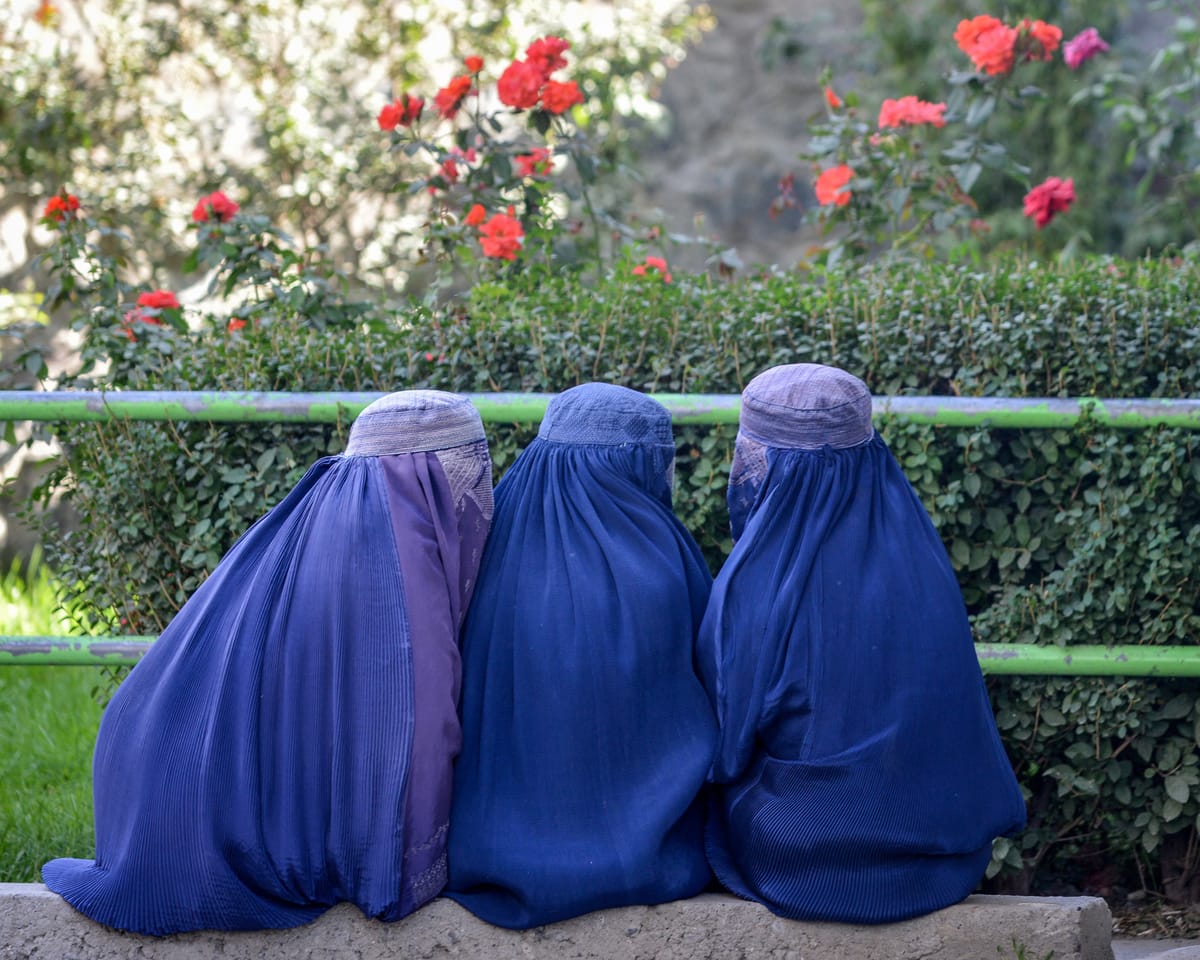
Portugal’s Parliament Approves Ban on Face Veils in Public Spaces
Portugal’s parliament has passed a measure prohibiting face coverings worn for "gender or religious" reasons in most public places. The decision is widely viewed as directed at Muslim women who wear full-face veils.
The proposal, introduced by the far-right Chega party, would bar garments like burqas, which cover the entire body, and niqabs, which conceal the face except for the eyes. Exceptions would apply in airplanes, diplomatic buildings, and religious sites.
Under the new rule, violations could result in fines ranging from 200 to 4,000 euros ($234 to $4,669).
The bill still requires approval from President Marcelo Rebelo de Sousa, who may veto it or refer it to the Constitutional Court for assessment.
If enacted, Portugal would follow countries such as Austria, France, Belgium, and the Netherlands, which have imposed full or partial bans on face and head coverings.
While few women in Portugal wear such garments, the issue has sparked debate similar to that seen elsewhere in Europe.
Chega justified the measure by referencing policies in France and other EU nations. The proposal gained backing from center-right parties.
In its reasoning, Chega argued that concealing one’s face—particularly for women—creates "situations of exclusion and inferiority" and conflicts with principles like "liberty, equality, and human dignity."
Left-leaning lawmakers opposed the measure.
Pedro Delgado Alves, a lawmaker from the center-left Socialist Party, which voted against the bill, stated, "This initiative is solely aimed at targeting foreigners and those of different faiths."
He added that while no woman should be compelled to wear a veil, the far-right’s approach was misguided.
Read next
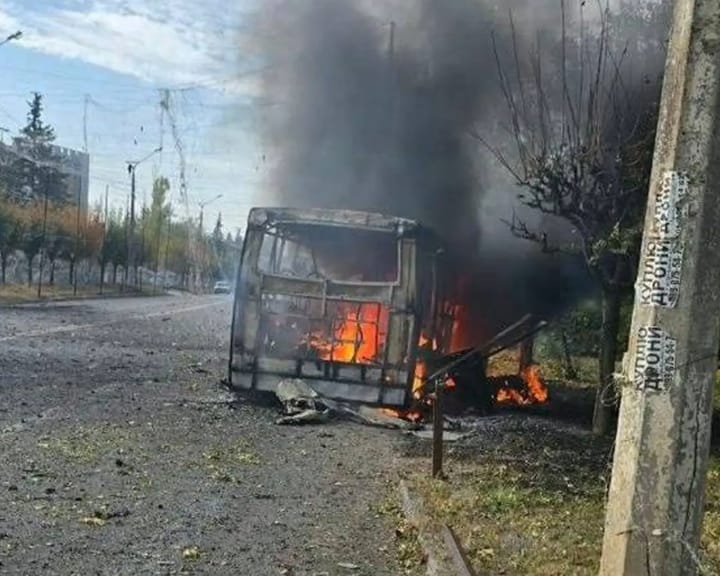
Russian Assault on Buses Near Ukraine Border Results in 30 Deaths
Thirty people have been killed and eighteen injured following an attack by Russia on two passenger buses in Kramatorsk, near the frontline in eastern Ukraine, according to local authorities.
The Donetsk regional prosecutor's office reported that the death toll from the morning attack on the buses had reached
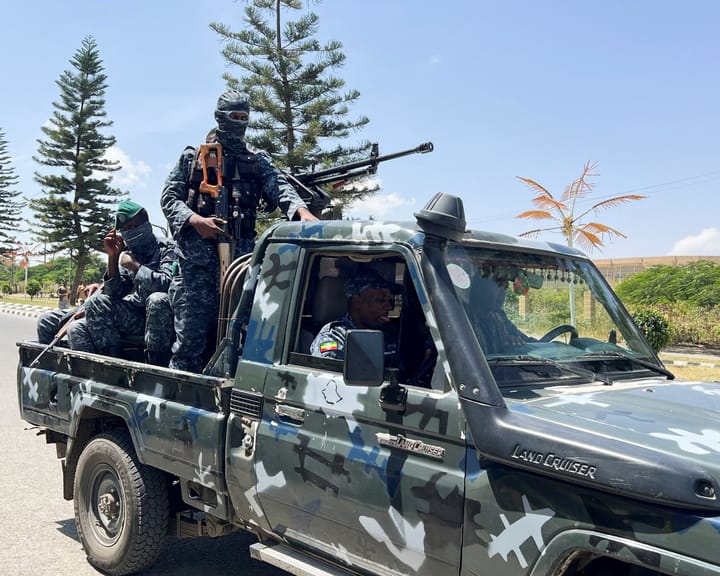
Ethiopia Conducts Drone Strike on Eritrean Forces in Tigray Region
Eritrean forces reportedly crossed into Ethiopia's Tigray region and faced drone attacks from Ethiopian government forces, raising concerns about the potential for a broader regional conflict between the two neighboring countries.
Military vehicles transporting soldiers crossed the southern border of Eritrea into Tigray on Wednesday, reaching Adigrat, approximately

Israel Advances Film Resembling NAZA Documentary
The Israeli government is promoting an online film project designed to counter the findings of the award-winning documentary NAZA, which details Israel’s mass killings of civilians in Gaza. NAZA, directed by Oscar-winning filmmakers Yuval Abraham and Rachel Szor, is currently in cinemas and will be shown in