
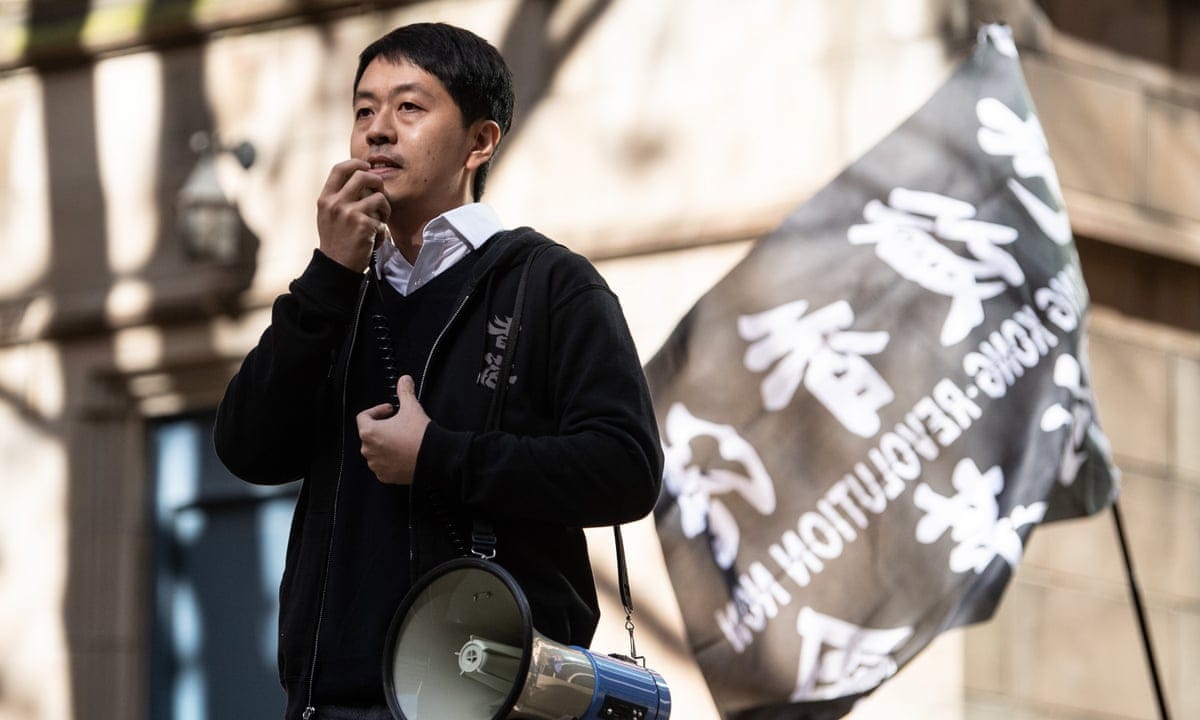
Two pro-democracy activists from Hong Kong, now living abroad, have encountered difficulties accessing their pensions funds administered by international banks, leading to speculation about potential complicity between these institutions and Beijing's crackdown on dissidents.
Two prominent figures in the city's democratic movement are reportedly having issues with foreign banking entities managing their retirement savings. This has raised concerns regarding the possible involvement of global financial firms in suppressing Chinese dissenters, though no conclusive evidence has been presented thus far.
The British-based HSBC froze assets belonging to pro-democracy advocate Ted Hui after his departure from Hong Kong at the beginning of 2021. However, a brief period allowed for some monetary transactions during this freeze. Despite these actions, current reports suggest that Hui's pension savings managed by HSBC remain untouched and inaccessible.
In another case, an individual with permanent residency status in Australia faces challenges in withdrawing funds from their Canadian financial institution's account for retirement purposes. The situation echoes similar patterns of asset freezing experienced by others in exile due to alleged breaches of Hong Kong's stringent national security regulations.
Both individuals have been implicated in the 2019 pro-democracy protests and are currently facing legal proceedings under Hong Kong's controversial national security laws, which many international observers criticize for undermining civil liberties.
Hong Kong's compulsory pension system allows early withdrawal by citizens who have settled abroad permanently. However, the process is heavily regulated and requires robust documentation of residency outside Hong Kong, a condition not currently fulfilled under UK visas recognized as insufficient by the city's authorities.
The reported actions by HSBC and Manulife reflect broader policy stances that prioritize compliance with local jurisdictions over individual cases, although they maintain their commitment to human rights standards. Meanwhile, Hong Kong Watch advocates suggest that such asset freezes may signal a more extensive strategy of deterring dissent through financial means beyond the scope of British national (overseas) visa schemes.
The impacts of these restrictions on affected activists extend far beyond the mere loss of funds; they represent a symbolic barrier against those who champion democratic values within Hong Kong and its diaspora.
Read next
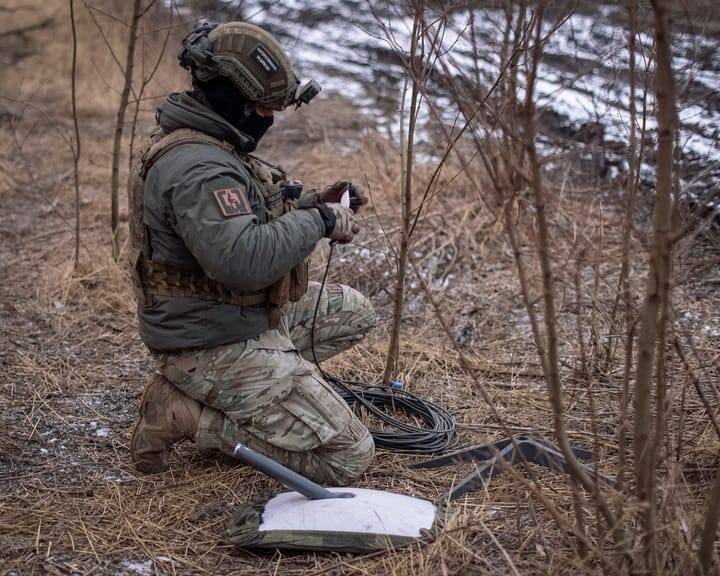
Ukrainian combat troops gain restricted access to Starlink satellite internet
Ukrainian soldiers experienced a sudden disruption in their access to Starlink satellite internet terminals amid increased pressure from the Trump administration for Ukraine to cease long-range attacks on Russia’s oil infrastructure. These terminals, managed by Elon Musk’s SpaceX, are vital for Ukraine's military operations. The

Russia's latest Ukraine attacks show 'disrespect' towards US, says Zelenskyy — Europe live
Sikorski Confronts Musk Over Starlink in Ukraine
Poland’s Foreign Minister Radosław Sikorski recently addressed Elon Musk on X, questioning reported restrictions on Starlink services in Ukraine. Poland contributes significantly to Ukraine’s funding of Starlink, which is crucial for maintaining internet connectivity in Kyiv and its military operations, with
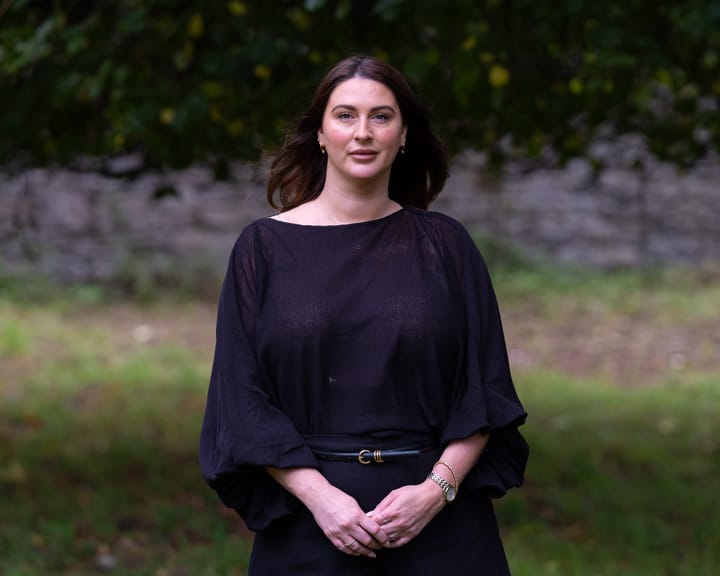
"Breaking Stigma: Nikita Jager's Triumph in Civil Rape Case Against Conor McGregor"
Nikita Hand faced a challenging decision when considering a civil case against Conor McGregor following a 2018 assault. Despite her personal reservations about being an "imperfect victim" due to alcohol and drug use on the night of the incident, she chose to proceed. This decision stemmed from her