
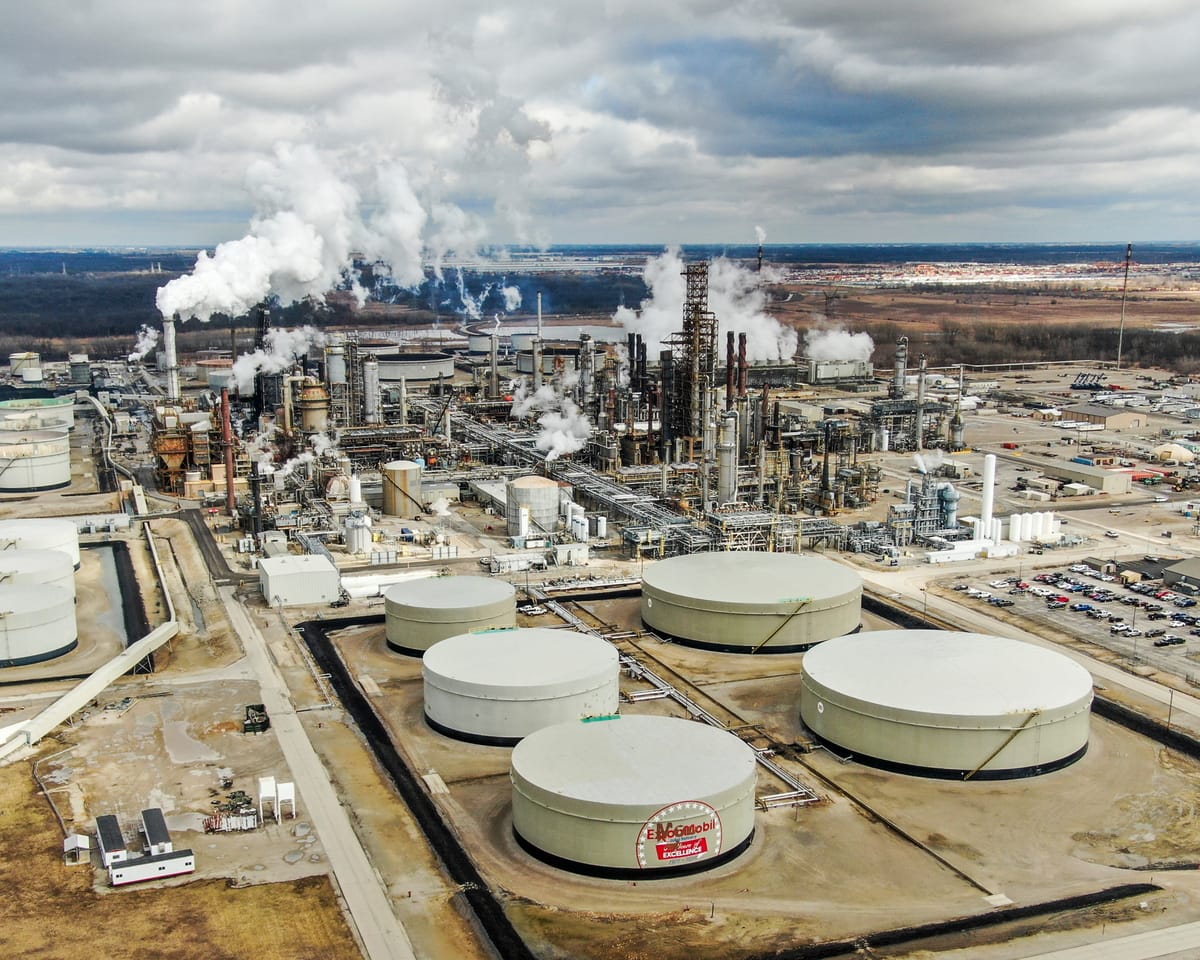
The International Monetary Fund (IMF) has issued a warning that the global economy may soon approach its resilience limits due to dwindling emergency oil reserves and strained government budgets. In its biannual World Economic Outlook, the IMF noted that global growth has endured the Middle East conflict better than anticipated over the past six months. This resilience is attributed to the rerouting of oil supplies away from the Strait of Hormuz and the release of strategic energy reserves, which helped mitigate the impact of the US-Iran conflict on oil prices.
However, the IMF cautions that these emergency stocks are now nearly depleted. High debt levels and deficits in many countries could restrict governments' ability to shield consumers from potential future price hikes. The report highlights the risk that without bolstering supply capacity and replenishing policy buffers, the global economy may soon face severe stress. Diminishing inventories in energy markets and the possibility of additional geopolitical shocks could quickly affect prices and supply.
In March, the International Energy Agency announced the largest-ever emergency oil stock release, with a commitment to accelerate it following a recent meeting of oil ministers. Yet, the US strategic petroleum reserve has dropped to its lowest level since 1982, illustrating the system's vulnerability.
In a recent move, US President Donald Trump agreed with Russian President Vladimir Putin to temporarily lift sanctions on US imports of Russian diesel to reduce fuel prices, although analysts suggest the impact will be minimal.
The World Economic Report, unveiled in Bangkok where the IMF and World Bank are hosting their annual meetings, forecasts a slight increase in global economic growth to 3.1% this year from 3% in July, with next year's growth projection remaining at 3.4%. The US growth forecast remains at 2.3% for this year, with a slight increase to 2.3% for next year. The IMF predicts the UK's GDP growth at 1.3% this year, a 0.3 percentage point rise from its July update, but warns of potential declines in 2027 due to sustained high oil prices and rising interest rates.
The IMF has cautioned that risks to the global economy are predominantly negative, emphasizing the potential for a prolonged Middle East stalemate or escalation, leading to increased energy and food prices. Additional threats include energy infrastructure disruptions, cyber-attacks, and extreme weather events.
Amid ongoing high oil prices, the IMF expects inflation to remain elevated longer than previously predicted, with global inflation at 4.7% this year and a slight decrease to 4.1% in 2027. The IMF advises central banks to remain vigilant but not overly reactive to short-term inflation spikes.
Additionally, the IMF points to the ongoing risk of an AI-driven market crash, alongside energy market instability, as significant threats to the global economy.
Read next

Chip Stocks Fall After Broadcom CEO Compares AI Investment to 'Casino'
Shares in semiconductor companies declined on Tuesday following comments from Broadcom's CEO, who likened many AI investors to "casino" gamblers. Additionally, Chinese memory chip manufacturer CXMT announced advancements in new chip architecture.
South Korea's Kospi index dropped 6.25% as investors sold off chip

AI-Driven Market Turmoil Threatens Global Financial Stability, Warns IMF
The International Monetary Fund (IMF) has expressed concerns about potential instability in global financial markets due to the threat of an AI-related stock price decline. According to its latest Global Financial Stability Report, the IMF cites high valuations and increasing debt levels among AI companies as contributing factors to
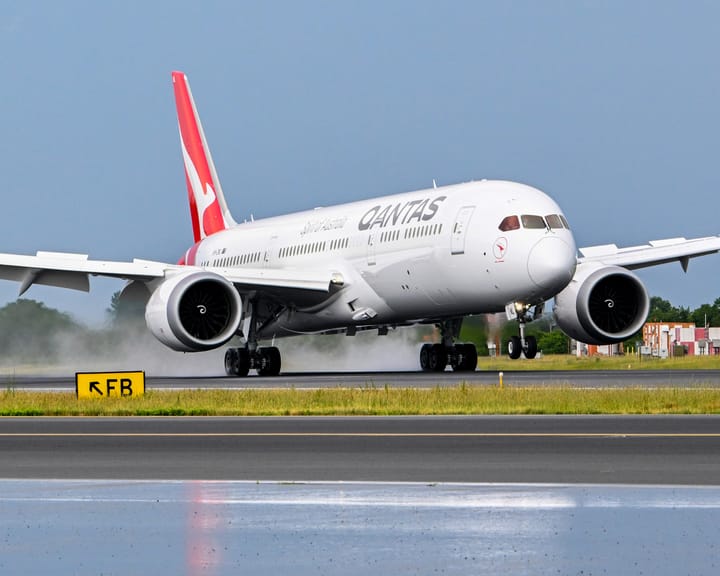
Qantas Grounds Plane in Rome Due to Bedbug Infestation
Qantas had to ground a plane in Rome after discovering bedbugs on the aircraft, which was en route from Perth. The insects were found in the front of the economy section of a Boeing 787 Dreamliner, as it traveled for the QF5 flight on October 9th, according to an informed