
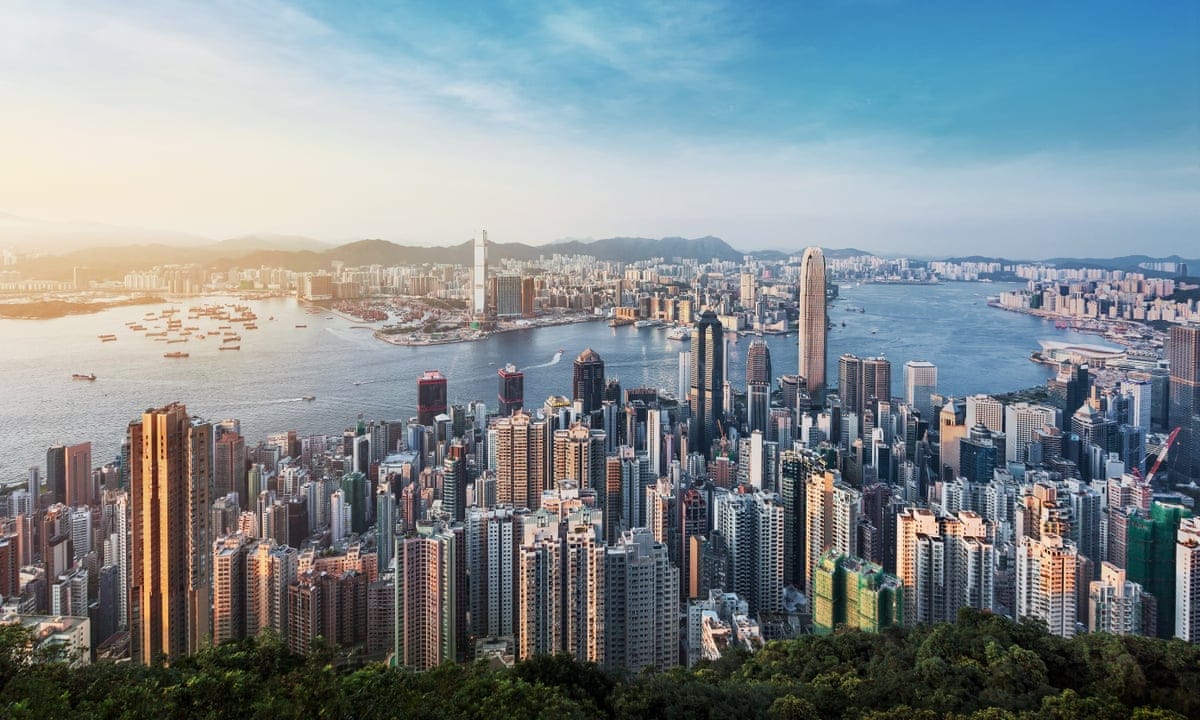
A recent analysis by the Committee for Freedom in Hong Kong Foundation has shed light on Hong Kong's significant role as a conduit for global trade, particularly concerning goods that may support regimes under western sanctions. Between 2021 and 2022, there was a substantial increase in semiconductor exports from Hong Kong to Russia, with figures reaching approximately $400 million, placing it second only to mainland China's export volume for this year.
The study scrutinized trade activities within the first five months of 2023 and focused on commodities identified by the US as strategic for Russian defense capabilities, such as semiconductors used in military technology like drones and missiles. During August to December 2023, Hong Kong's exports amounted to nearly $2 billion worth of items deemed significant for Russia's arsenal, including a notable proportion from the Common High Priority List (CHPL).
A specific case highlighted in this examination is Piraclinos Limited, which specializes in charcoal and fertilizer. In December 2023, it transferred over $2.5 million worth of electronic integrated circuits—products on the CHPL—to a Russian entity facing sanctions.
Hong Kong's status as an international business hub has seen various forms of trade activities. The establishment process for companies is notably swift and straightforward in Hong Kong, facilitating complex logistics while raising concerns about transparency and compliance with international regulations. An illustration from the report involves Arttronix, a company dissolved after being targeted by sanctions for exporting to Iran, only to be resurrected as another entity under different ownership shortly thereafter.
The Carnegie Endowment's earlier research suggests that Hong Kong’s increased alignment with China may contribute to its role in international trade dynamics. The interplay between Hong Kong and Chinese business practices has been cited by the report, highlighting challenges in enforcing sanctions against companies allegedly involved in prohibited transactions with Russia.
This scrutiny follows a surge in trade interactions between China and Russia, which intensified post-Ukrainian conflict, reaching $240 billion bilateral trade last year, marking an all-time high. The report concludes that there is a gap in effectively curtailing the flow of sensitive goods from Hong Kong to Russia, noting the ease with which corporate identities can be manipulated and reformed, complicating monitoring efforts.
Read next
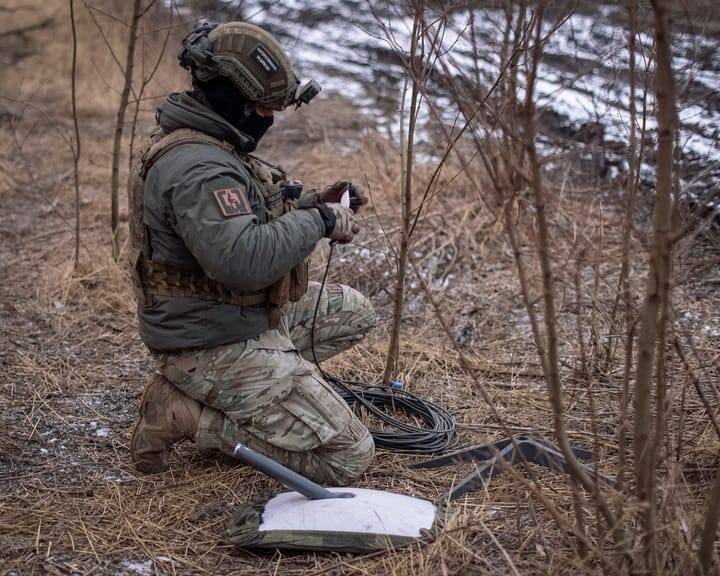
Ukrainian combat troops gain restricted access to Starlink satellite internet
Ukrainian soldiers experienced a sudden disruption in their access to Starlink satellite internet terminals amid increased pressure from the Trump administration for Ukraine to cease long-range attacks on Russia’s oil infrastructure. These terminals, managed by Elon Musk’s SpaceX, are vital for Ukraine's military operations. The

Russia's latest Ukraine attacks show 'disrespect' towards US, says Zelenskyy — Europe live
Sikorski Confronts Musk Over Starlink in Ukraine
Poland’s Foreign Minister Radosław Sikorski recently addressed Elon Musk on X, questioning reported restrictions on Starlink services in Ukraine. Poland contributes significantly to Ukraine’s funding of Starlink, which is crucial for maintaining internet connectivity in Kyiv and its military operations, with

"Breaking Stigma: Nikita Jager's Triumph in Civil Rape Case Against Conor McGregor"
Nikita Hand faced a challenging decision when considering a civil case against Conor McGregor following a 2018 assault. Despite her personal reservations about being an "imperfect victim" due to alcohol and drug use on the night of the incident, she chose to proceed. This decision stemmed from her