
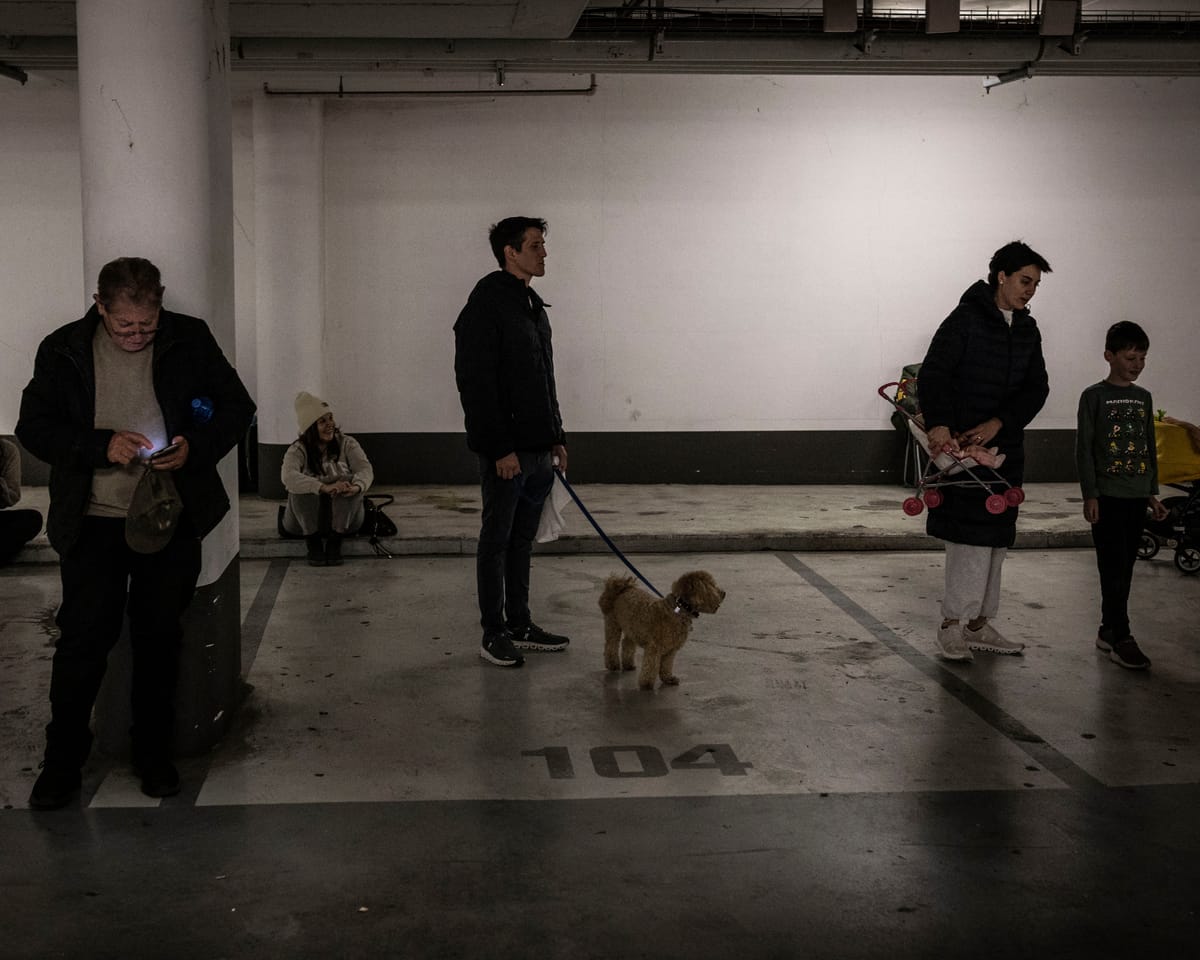
Air‑raid sirens cleared the streets of Israel on Saturday and drove people into shelters, as the nation prepared for a series of Iranian strikes.
Yet personal dread and resignation did not dampen the widespread political and popular backing for the country’s second regional conflict in under a year.
“We all feel that what we began must be completed,” said Gal Tzairi, a 23‑year‑old university student taking refuge in an underground car park in central Tel Aviv. “We want security, so we understand we need this.”
Paramedics had to pull Tzairi from the debris of his home last June, when an Iranian missile hit collapsed his apartment block.
The initial sirens revived some of his terror from that day, but, like many Israelis, he said he had been half‑expecting another war after weeks of U.S. military buildup in the area and the Israeli prime minister’s warnings to Tehran.
“This is round two,” said 30‑year‑old Tom Zimako, who supported the decision to strike Iran again “100 %.” “We must find a proper answer to terror – not against people, but against the citizens of Iran.”
The morning assaults instantly paused bitter Israeli political infighting ahead of elections scheduled for October.
Debates over the conscription of ultra‑Orthodox men and whether to launch a state inquiry into the 7 October 2023 attacks were set aside, as opposition figures across most of the spectrum rallied behind Netanyahu.
Yair Lapid, the official opposition leader, wrote on social media: “I fully endorse this operation. We all agree on the justification and necessity of hitting the murderous Iranian regime.”
Yair Golan, head of the centre‑left Democrats, said the Israeli armed forces had his “full backing” in “eliminating the Iranian threat.” Right‑wing Naftali Bennett added that “the whole nation of Israel stands with you.”
While European and regional powers called for a return to talks on Iran’s nuclear programme, prominent Israelis urged a broad, open‑ended war.
Yoav Gallant, a former defence minister, told Israel’s Channel 12: “It is clear we have the advantage over Iran. The key point is we do not stop until the job is done.”
Discounting Iran’s reaction to Israeli and U.S. strikes, he said: “The modest number of rockets the Iranians fire shows their weakness.”
One of the few political dissenters was lawmaker Ayman Odeh, a Palestinian citizen of Israel, who condemned the opposition for aligning with a government that wants to “live by the sword forever.”
“There is no opposition in Israel, only fifty shades of militarism,” he posted online. “Again and again they use the same formula: another ‘round’, another operation, more blood. Each time they promise this will bring security, and each time reality proves otherwise.”
Missile attacks on Israel pose a particular danger to the country’s Palestinian residents, who have fewer bomb shelters.
Read next
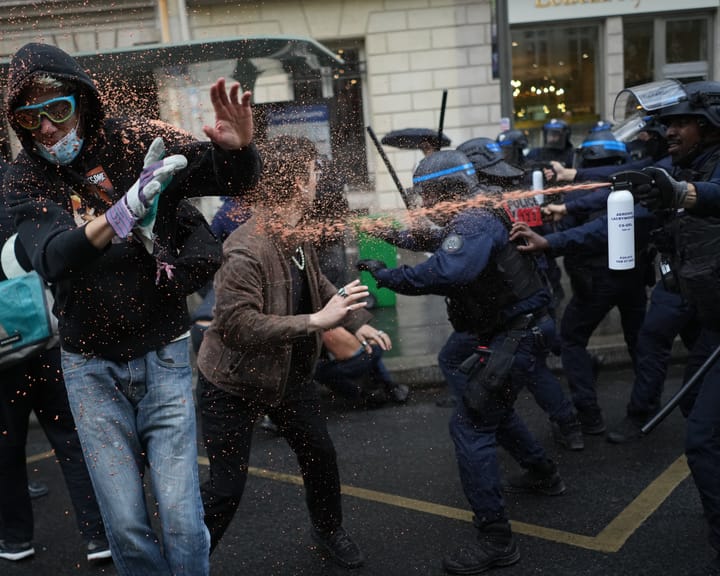
French Minister Refutes Police Brutality Claims Amid Ongoing Student Protests Across France – Europe Live
In recent developments, French Interior Minister Laurent Nuñez has refuted claims of excessive police force during the ongoing student protests in France. He emphasized that police action is only taken in response to violence or property damage. Addressing lawmakers, Nuñez described the protests as "unprecedented" due to the
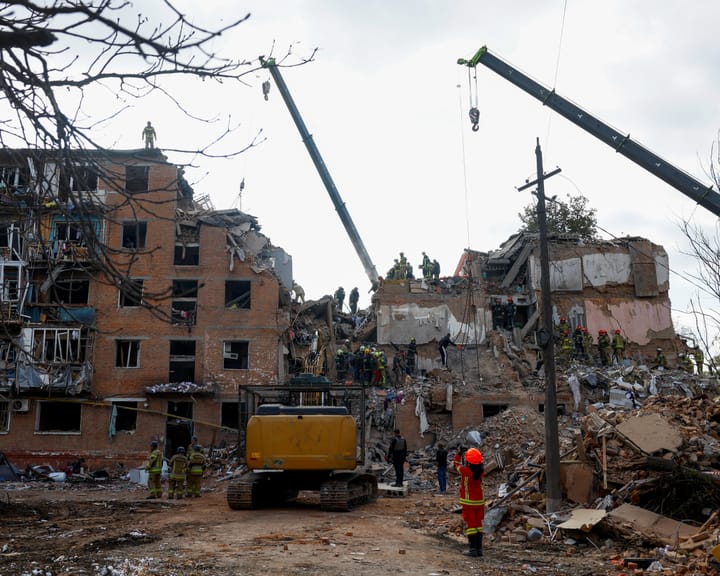
Ukraine Reports Russia Bombed Apartment Building Coinciding with Putin's Birthday
Volodymyr Zelenskyy has accused Russia's military of deliberately targeting civilians and bombing residential buildings as a grim gift for Vladimir Putin, who celebrates his 74th birthday on Wednesday.
Ukraine’s president described Russia’s overnight drone and missile strikes, which killed at least 24 people, as “despicable.” “The
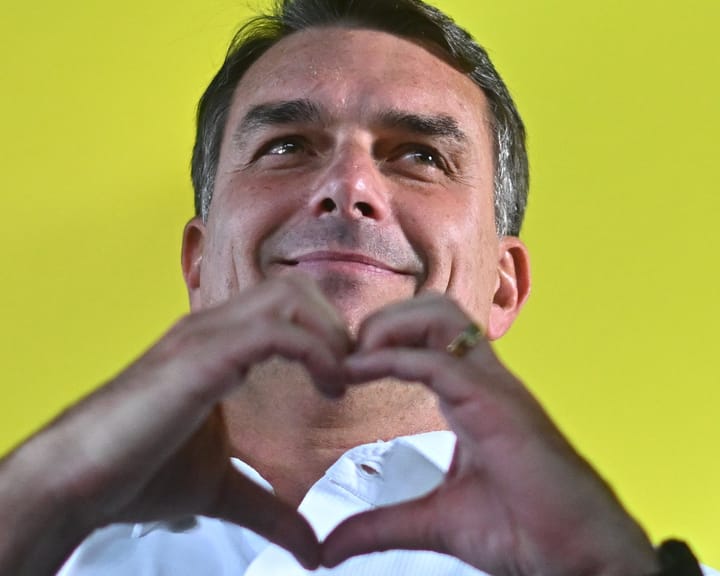
Fears of 'another coup d'état' grow as Flávio Bolsonaro vows to 're-democratise' Brazil
Flávio Bolsonaro, the leading candidate for Brazil's presidency, has promised to "re-democratise" the nation, raising concerns about potential authoritarian governance should he win. Brazil transitioned to democracy in the 1980s after a harsh 21-year dictatorship, a period lauded by Flávio's father, former