
Josh, many runners and cyclists are discussing Strava’s lawsuit against Garmin online. As a runner myself, I typically hit the pavement to escape the noise—not dive into digital debates. But what’s the story here?
Miles, Strava is a popular app for athletes to log workouts. It includes social features that let users compare performances and discover common training routes.
Think of it as a platform where fitness enthusiasts share their progress—if they choose to.
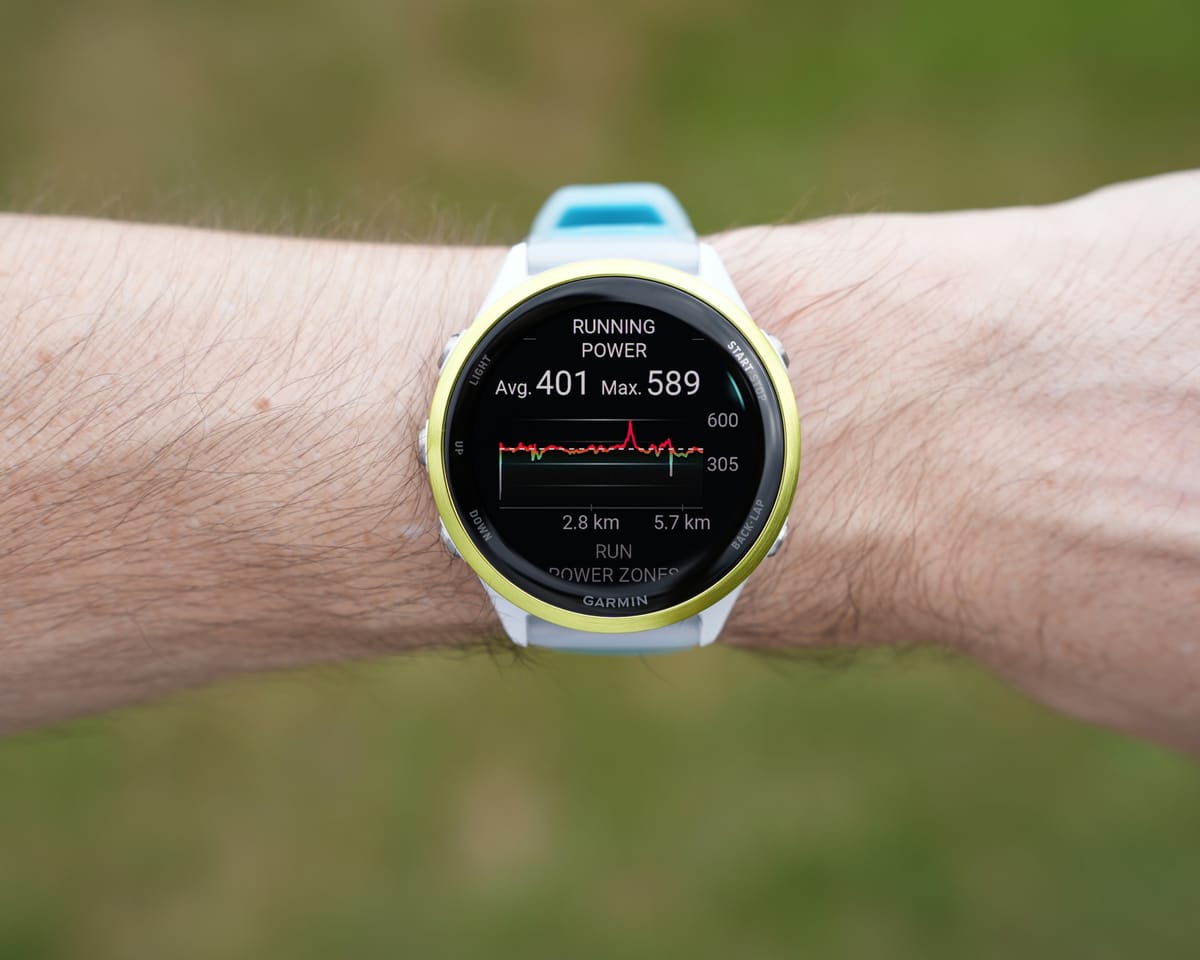
While the app can track workouts using its own GPS, many prefer dedicated fitness watches for accuracy. That’s where Garmin comes in. Strava syncs with Garmin devices, allowing workout data to transfer through Garmin Connect.
The companies have coexisted smoothly for years, but now Strava is suing Garmin in the U.S., claiming patent violations involving two features: segments and heat maps.
Segments and heat maps … sounds technical.
Segments let users compare times on specific route sections, while heat maps highlight popular running or cycling paths worldwide.
Strava alleges Garmin copied these features, breaking a ten-year-old agreement barring reverse-engineering of Strava’s tech.
But why are runners so worked up about this? Why is my social media feed full of concerned posts?
You’ve probably heard the phrase, “If it’s not on Strava, it didn’t happen.” Runners are passionate about performance stats—chasing faster times, analyzing routes, and sharing achievements. The platform has spawned a dedicated following, with some even documenting personal milestones.
Strava’s growth parallels a broader running resurgence, blending real-life and online engagement. Its seamless sharing makes it a hub for fitness enthusiasts.
Though some criticize Garmin for adding its logo to Strava posts since November, the backlash is largely directed at Strava for the lawsuit—a move that might complicate workout sharing.
Some users worry their tracking might be disrupted, while others prioritize Garmin’s hardware over Strava’s app.
One observer noted that Strava’s heat maps rely heavily on Garmin-user data; if removed, Strava could lose valuable insights.
Read next

US officers worry Meta smart glasses could covertly record them
In January, the NYPD’s counterterrorism unit warned officers about a new security threat: Ray-Ban Meta glasses. A memo directed officers to “conduct thorough inspections of all eyewear permitted within inmate cells,” cautioning that recently arrested individuals could use the devices’ small cameras and microphones to record inside police

Google's Pixel 11 sets new standard for flagship phones, review finds
Google’s Pixel 11 continues to define what a base flagship phone should deliver, with leading cameras, extended software support and nearly all the features of its pricier siblings.
The standard Pixel 11 is priced at £879 (€999/$899/A$1,499), £80 higher than its previous version, reflecting ongoing

AI Expert Father of Three Shares Essential Insights for Parents on Artificial Intelligence
A father once promised his child they would write a story together called "The Day Nobody Went to Disneyland." The plot imagined a perfect day when the entire world avoided the park, expecting crowds, leaving it completely empty for a father and child to enjoy alone. Three decades