
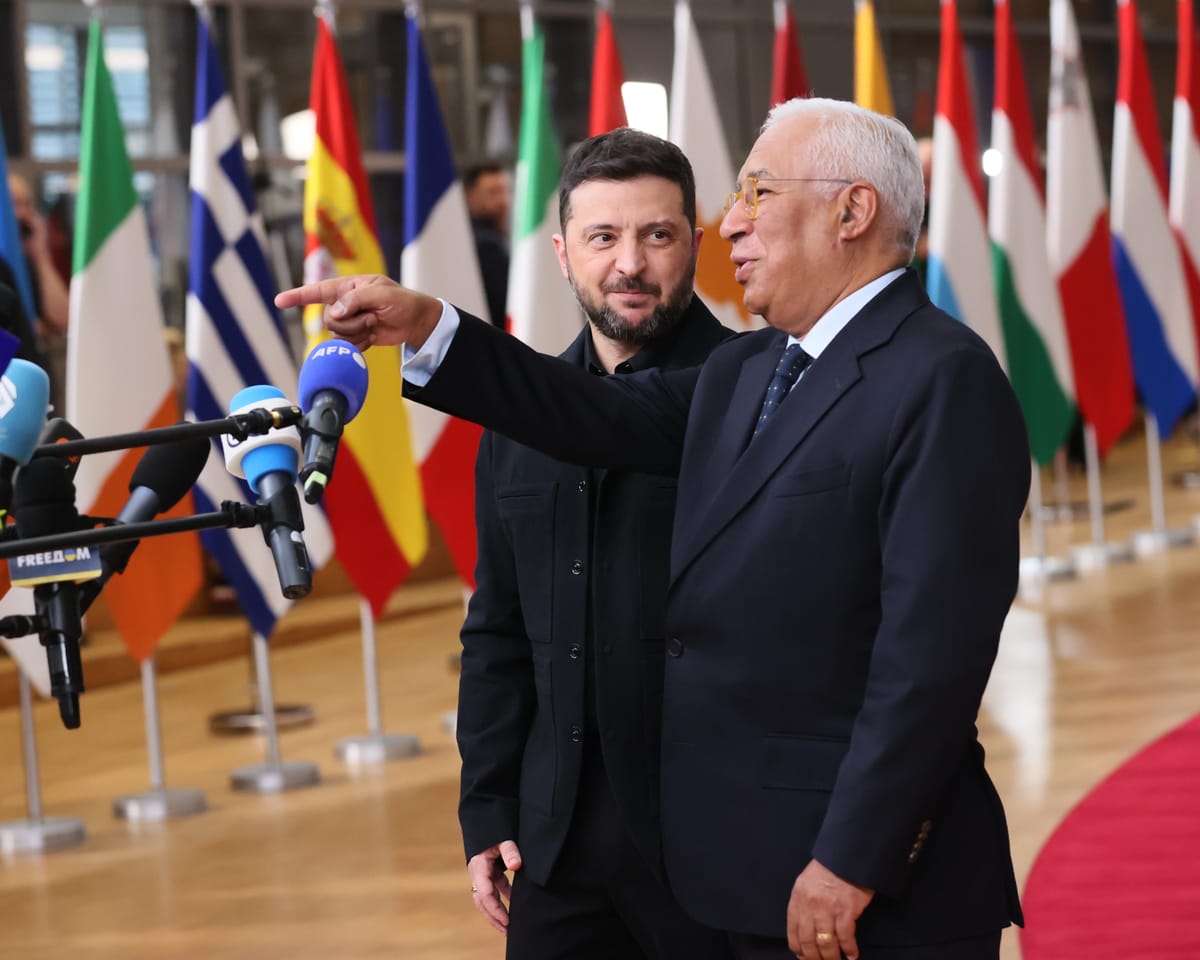
Russia Warns of Consequences if EU Seizes Assets
Any move by the EU to take control of Russian funds held in Euroclear accounts will lead to severe consequences, stated foreign ministry spokesperson Maria Zakharova on Thursday.
“The EU lacks legal grounds to confiscate Russian assets, making such an act nothing short of theft,” Zakharova said.
A draft plan by the European Commission proposes utilizing frozen Russian funds in Europe to offer Ukraine a €140bn (£122bn) financial assistance package. The matter is set to be reviewed during discussions on Thursday.
Under this proposal, the EU would use proceeds from frozen Russian central bank assets to provide Kyiv with support, covering a significant portion of its financial requirements for 2026 and 2027.
However, opinions vary among the EU’s 27 member states.
Belgian Prime Minister Bart De Wever has expressed opposition to the measure until assurances are provided regarding the handling of the immobilized Russian assets.
De Wever, whose country is the base of Euroclear, the main custodian of these assets, stated that he sees no legal justification for such a move, noting that even during World War II, immobilized assets were not confiscated.
German Chancellor Friedrich Merz remarked on Thursday, “I understand the Belgian prime minister’s reservations, but I believe progress will be made.”
Finnish Prime Minister Petteri Orpo said, “We have a legally sound proposal that addresses Belgium’s concerns.”
Sweden’s Prime Minister Ulf Kristersson added, “While the matter is not yet finalized, there is widespread backing for using these frozen Russian funds.”
Russian Drone Attack Claims Lives of Two Journalists
A Russian drone strike killed two Ukrainian journalists in the eastern city of Kramatorsk, their news organization confirmed to AFP on Thursday.
Freedom TV, a state-supported media outlet, verified reports initially shared by the Donetsk regional governor, who posted images of the journalists' burned vehicle.
New U.S. Sanctions Target Russian Oil Firms
The U.S. has imposed new sanctions on Russia’s two largest oil companies, signaling a shift in strategy under the current administration. The measures against Rosneft and Lukoil mark the first sanctions imposed on Russia since the latest U.S. administration took office in January.
The U.S. Treasury Secretary stated the sanctions were necessary due to Moscow’s unwillingness to halt the conflict, accusing the companies of financing the Kremlin’s military operations. Additional measures could follow, officials warned.
While the administration described the sanctions as significant, analysts are divided on their impact, emphasizing that enforcement will determine their effectiveness in altering Russia’s actions.
Read next
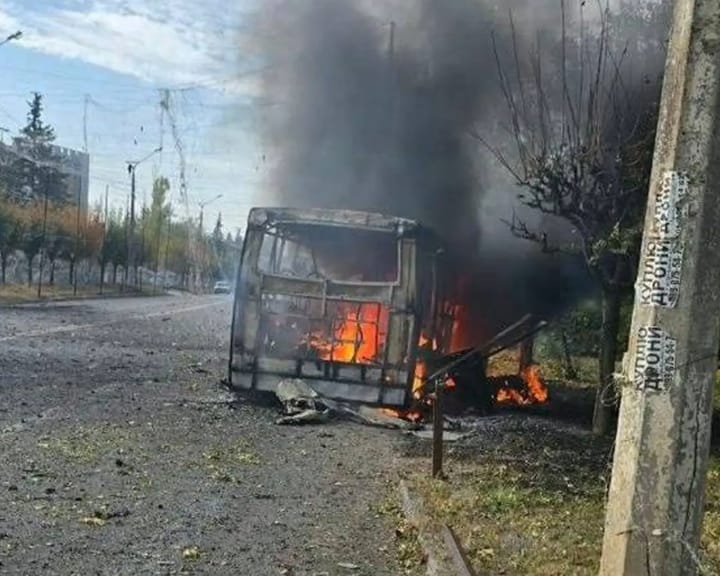
Russian Assault on Buses Near Ukraine Border Results in 30 Deaths
Thirty people have been killed and eighteen injured following an attack by Russia on two passenger buses in Kramatorsk, near the frontline in eastern Ukraine, according to local authorities.
The Donetsk regional prosecutor's office reported that the death toll from the morning attack on the buses had reached
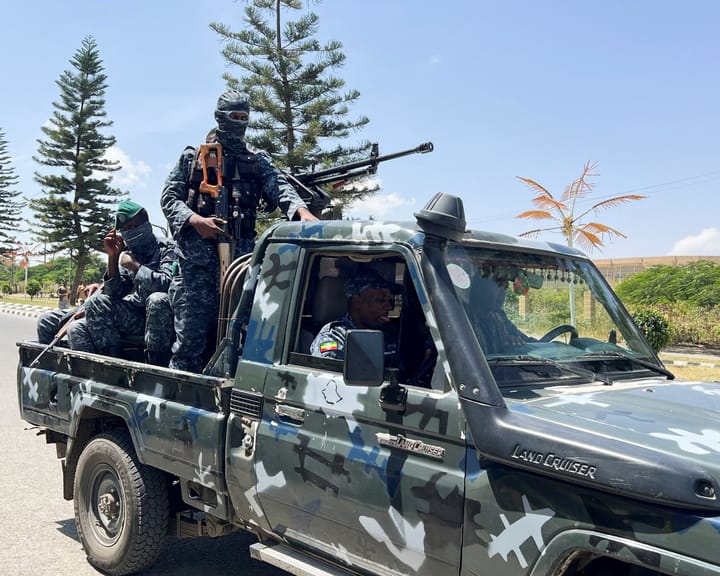
Ethiopia Conducts Drone Strike on Eritrean Forces in Tigray Region
Eritrean forces reportedly crossed into Ethiopia's Tigray region and faced drone attacks from Ethiopian government forces, raising concerns about the potential for a broader regional conflict between the two neighboring countries.
Military vehicles transporting soldiers crossed the southern border of Eritrea into Tigray on Wednesday, reaching Adigrat, approximately
Israel Advances Film Resembling NAZA Documentary
The Israeli government is promoting an online film project designed to counter the findings of the award-winning documentary NAZA, which details Israel’s mass killings of civilians in Gaza. NAZA, directed by Oscar-winning filmmakers Yuval Abraham and Rachel Szor, is currently in cinemas and will be shown in