
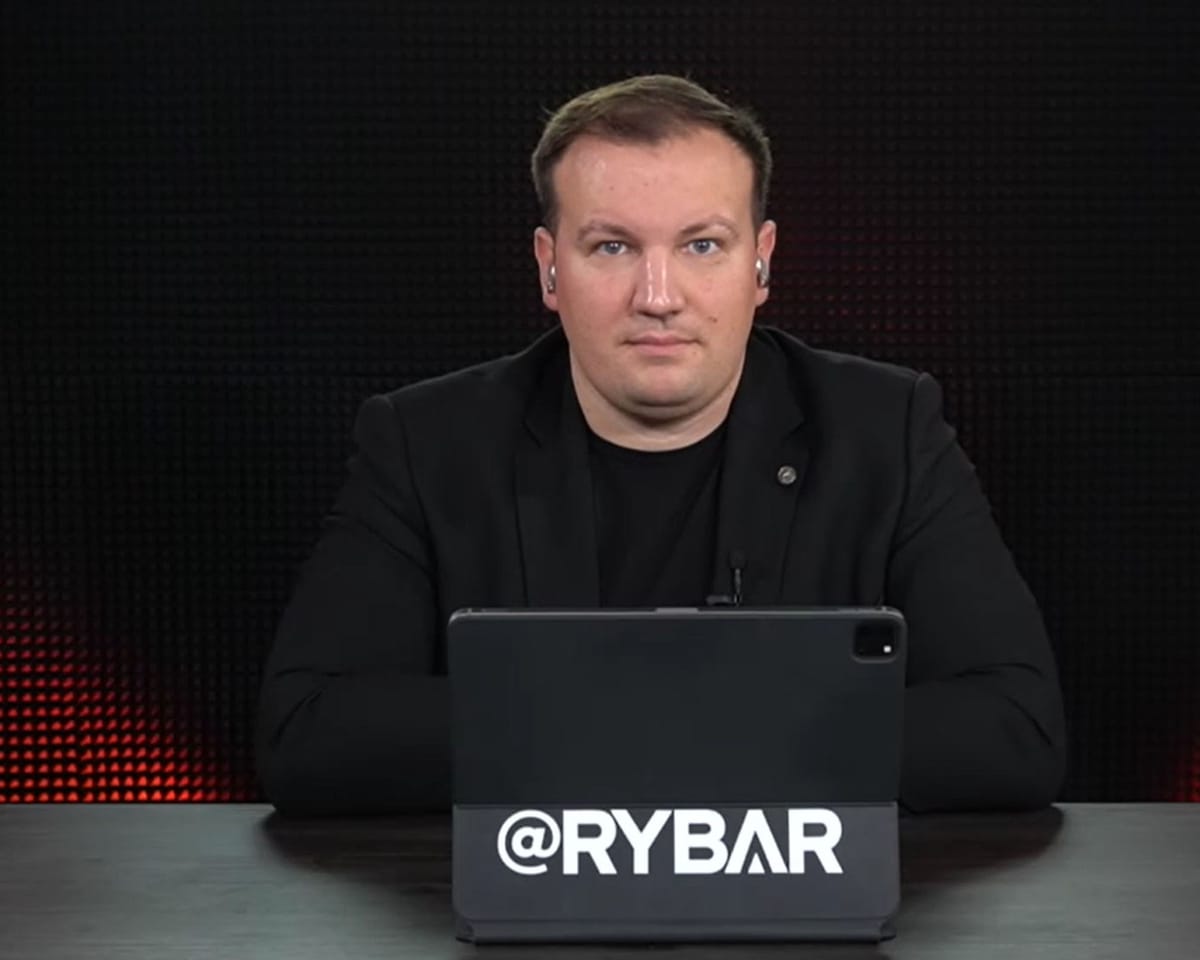
A prominent Russian military blogger with alleged connections to Russian intelligence services was arrested in Montenegro amid concerns about attempts to destabilize the country, officials have reported. Mikhail Zvinchuk, founder of the influential Rybar war blog, was detained alongside his wife and three other Russians in the Adriatic town of Risan by police and security personnel on suspicion of promoting Russian influence, according to local media.
Montenegro’s Prime Minister, Milojko Spajić, confirmed Zvinchuk’s arrest, stating it followed warnings of potential destabilization and hybrid warfare threats against the nation. The Russian Telegram news channel Baza reported that the group was detained at the Mövenpick hotel in Risan and subsequently taken to Podgorica, the capital, for questioning. During this time, their phones and passports were seized.
Zvinchuk, a former press officer at Russia’s defense ministry, established Rybar in 2018. This military blog is highly popular in Russia, especially among its 1.5 million Telegram subscribers, and is part of a broader media network supporting Vladimir Putin’s military actions in Ukraine. However, Rybar's influence extends beyond Ukraine, promoting pro-Kremlin narratives in Africa and the Middle East and has been criticized for spreading far-right views related to the migration crisis in Ceuta.
Rybar has stated that its team is in contact with Russia’s foreign ministry, which is trying to resolve the situation, and they anticipate the detainees' release, citing no violations of local laws. Previously, Britain sanctioned Zvinchuk and Rybar in December 2025 for disseminating Kremlin propaganda and undermining support for Ukraine. The British government alleged that Zvinchuk received funding from the Russian state-owned Rostec and had ties to Russia’s intelligence services.
The U.S. has also accused Zvinchuk of attempting to interfere in the 2024 presidential election, offering a reward for information on those involved. Before his arrest, Zvinchuk claimed on social media to have successfully entered Montenegro despite Western sanctions and an entry ban, ridiculing a border guard who checked his belongings but not his name against a database.
Kremlin spokesperson Dmitry Peskov mentioned that Moscow is aware of Zvinchuk’s detention and is working towards securing his release. Meanwhile, Russia’s former president Dmitry Medvedev suggested that Moscow might detain European and American citizens as a bargaining chip for a prisoner exchange to free Zvinchuk.
This arrest is expected to exacerbate already tense relations between Montenegro and Russia. In 2016, Montenegro accused Russian operatives of collaborating with Serbian ultranationalists in a coup plot, a claim Moscow denied. Since joining NATO in 2017 and seeking EU membership, Montenegro has sanctioned Russia following its invasion of Ukraine in 2022. Additionally, the country has recently decided to end visa-free travel for Russian citizens starting November 1, aligning its visa policy with the EU.
Read next
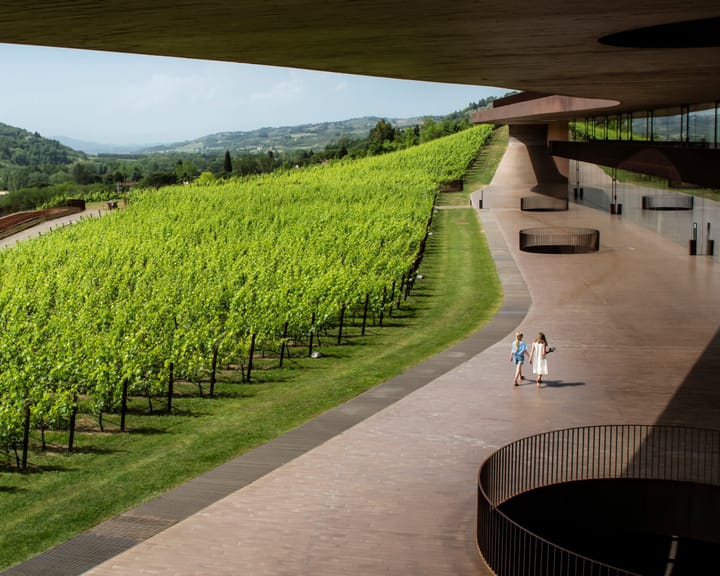
Criminals steal €5m from renowned Italian winery
In a significant theft in Tuscany, thousands of wine bottles valued at €5 million have been stolen from the renowned Marchesi Antinori winery, marking what is considered the largest heist of its kind in Italy. A group of at least seven masked individuals breached the winery's cellar in

Illuminated Theater in Havana – A Photographic Journey
Widespread blackouts have become more frequent in Cuba since the US imposed energy sanctions in January. These outages often last longer than 24 hours as the aging electrical grid struggles to cope. The Impulso theatre group has been forced to adapt, as the power cuts present significant challenges for the
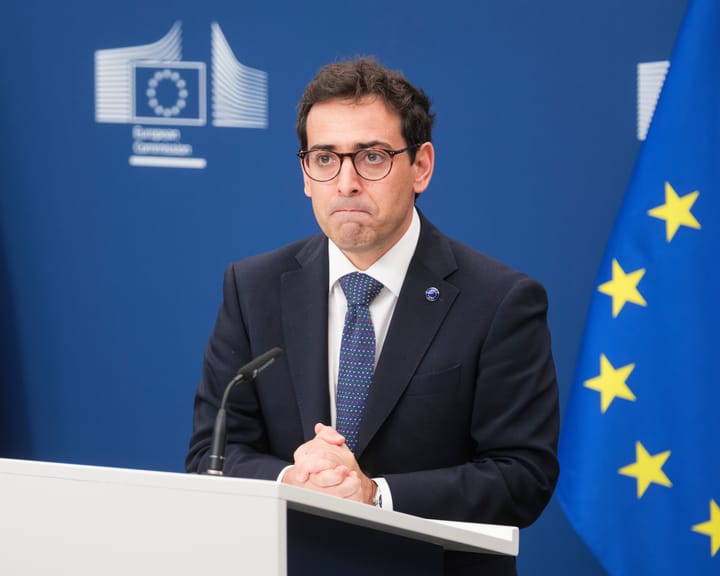
EU Maximizes Efforts on Mineral Projects to Avoid Trade War with China
The European Union is taking decisive steps to prevent a looming trade crisis with China, according to industry commissioner Stéphane Séjourné. Amid concerns of escalating trade tensions, the EU has announced support for 46 strategic projects aimed at enhancing the supply of critical raw materials by 2030.
Séjourné warned of