
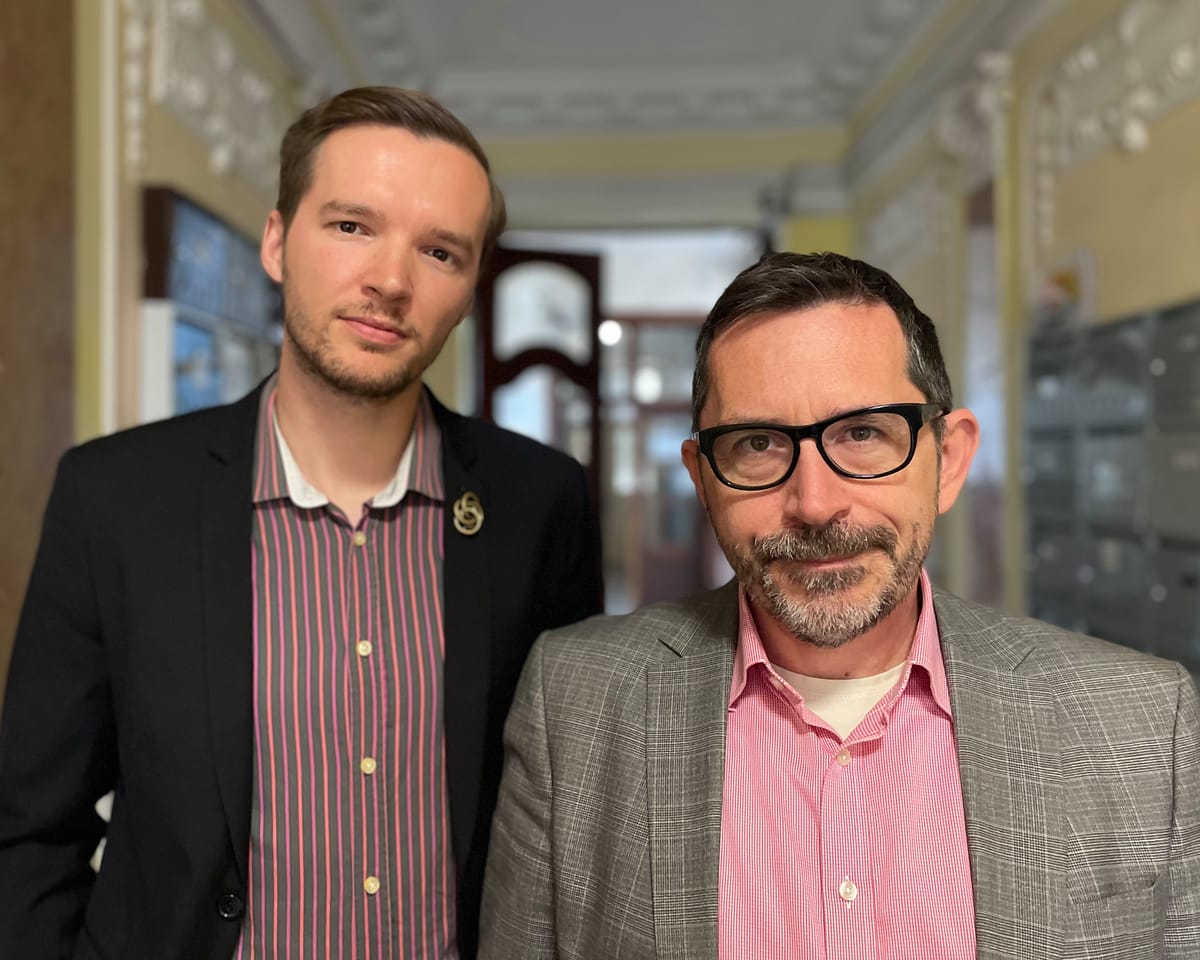
In Slovakia, a same-sex couple is challenging the authorities for their refusal to recognize their Austrian marriage, testing whether an EU court ruling can ensure legal recognition at home. Ivan Novotný, 31, and Metod Špaček, 51, married in Austria in 2020, yet their marital status remains unrecognized in Slovakia, where same-sex marriage and civil partnerships are not permitted. However, Novotný and Špaček, both lawyers and former diplomats, are not seeking to change this; instead, they demand recognition of their legally performed marriage in another EU country, as mandated by the EU's top court.
Novotný explains that while they are not discriminated against in their daily lives in Bratislava, recognition is crucial for legal protection. He recalls an instance during the Covid pandemic when a doctor recognized him as Metod's "husband" out of kindness, not obligation, highlighting the precarious nature of their current situation.
Their legal argument is supported by a 2025 EU court ruling, which mandates member states to recognize same-sex marriages where couples have established family life in another EU country. However, this does not compel states to allow such marriages domestically. Slovak authorities, citing the country's constitutional definition of marriage, have denied recognition, as stated in a letter from the interior minister.
Similarly, Marián Žáry Kukelka, a radio presenter, is suing for recognition of his marriage to his partner, Ondrej, performed in Austria. He wishes to use his full married name professionally as a tribute to his partner. Žáry Kukelka lives near a site of a 2022 homophobic attack, highlighting the hostile atmosphere fueled by anti-LGBTQ+ rhetoric from Slovakian politicians, including those in the government.
Last year, Slovakia's government proposed constitutional changes recognizing only two sexes and tightening adoption laws. Žáry Kukelka notes that Austrian towns have seen an influx of Slovakian LGBTQ+ couples seeking marriage since legislative changes. Despite limited personal experiences of abuse, he remains cautious about public displays of affection.
The Slovakian interior ministry maintains that it is bound by national constitutional and legal frameworks, arguing that EU law recognition for movement purposes does not equate to marriage registration. They assert that administrative processes cannot substitute legislative decisions.
Read next

Five Fatalities Reported on Mexico’s Pacific Coast as Hurricane Simon and Tropical Storm Rachel Strike
At least five fatalities have occurred following the impact of Hurricane Simon and Tropical Storm Rachel on Mexico's Pacific coast, resulting in widespread flooding that toppled trees and power lines, obstructed roads, and flooded homes.
Governor Evelyn Salgado reported that a 71-year-old man died in Chilpancingo,
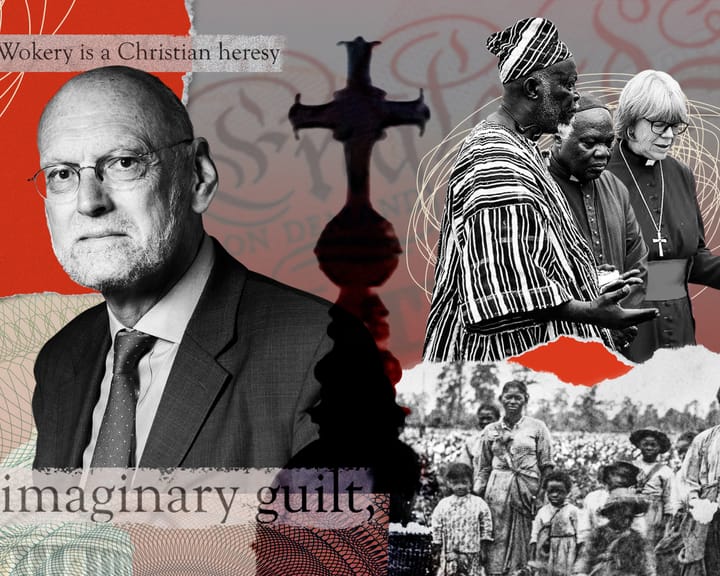
Intense Lobbying, Legal Challenges, and Media Campaign: Efforts to Defund Church of England's £100m Slavery Compensation Fund
The debate surrounding the Church of England's plan to allocate £100 million for reparations related to its historical involvement in the slave trade has sparked significant controversy. Lord Nigel Biggar, a prominent critic, describes the initiative as "virtue signaling" by elites attempting to appear progressive. He

Digital Breach Causes Freezing Failure in Two French Supermarket Chains
French supermarket chains Intermarché and Cooperative U have experienced a significant cyber-attack that led to the defrosting of their refrigerators, according to statements from the retailers.
Approximately 150-200 Intermarché locations and nearly 100 Cooperative U stores were targeted in the attack, as reported on Monday. Paris prosecutors confirmed