
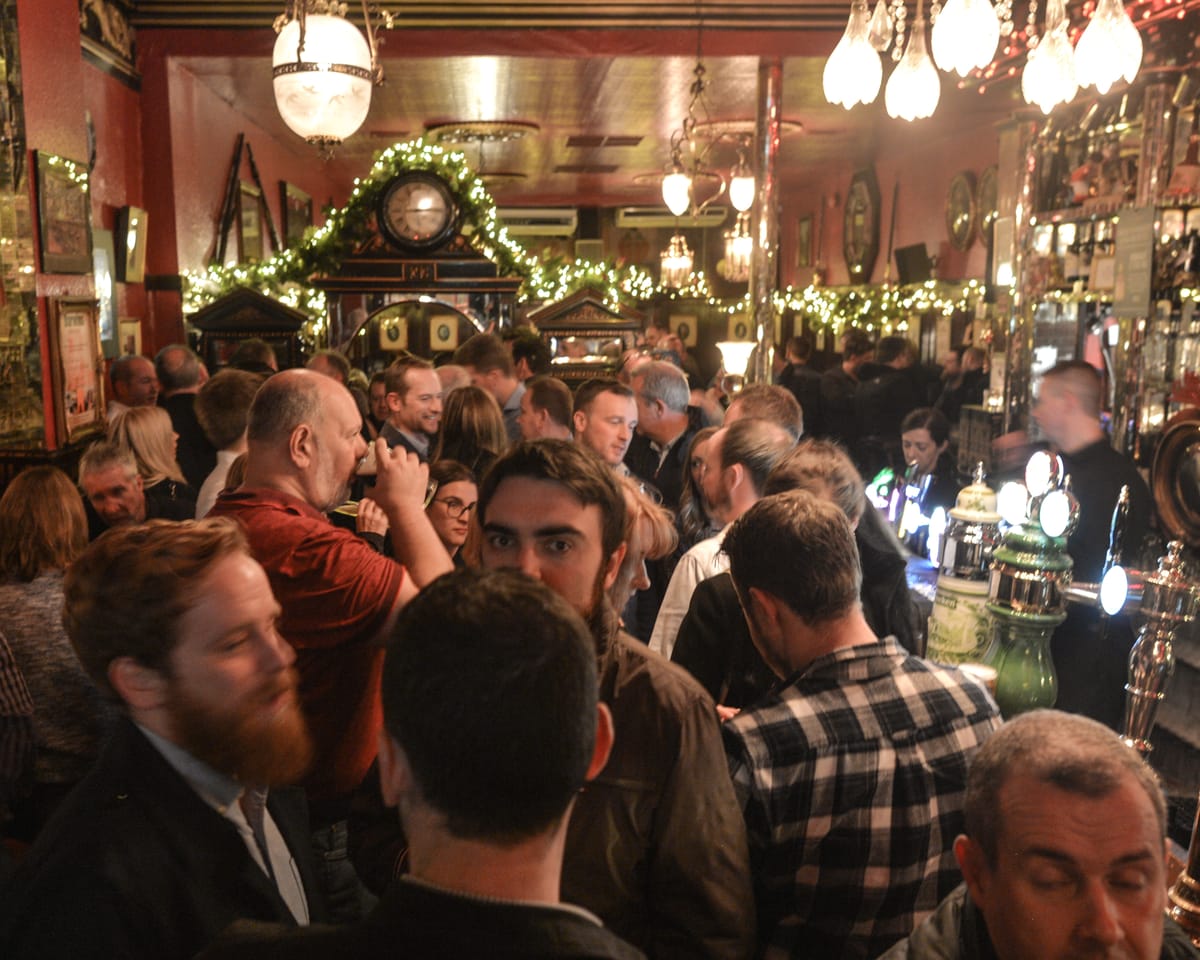
Irish pubs continue to captivate with their enduring charm. They serve as iconic backdrops in films, literature, and theater, attract visitors to Ireland, replicate internationally, and inspire online searches for ideal cozy corners and pints.
Scholars have now formally recognized this cultural cornerstone by exploring pubs through history, sociology, architecture, psychology, design, art, and literary studies.
Two recent publications, *The Irish Pub: Invention and Reinvention* and The Dublin Pub: A Social and Cultural History, contain extensive footnotes, data, and anecdotes while dissecting the elements of an "exceptional pub" and the elusive chemistry generating "craic" (lively atmosphere).
Yet both works reach a sobering conclusion: Irish pubs face significant challenges. They are disappearing from rural areas, and many struggle to endure in Dublin.
"It feels like a pivotal moment," noted Donal Fallon, author of *The Dublin Pub*. "Dublin residents should visit rural towns to witness the changes firsthand. Pubs are no longer central fixtures."
Some villages have lost all their pubs, and new residential developments frequently exclude them, observed Perry Share, co-editor of *The Irish Pub*, a compilation by 20 writers. "Planners aren’t mandating pubs in new areas. This could worsen future issues like isolation and community fragmentation."
Since 2005, Ireland has seen over 2,100 pub closures—a quarter of its total—averaging 112 per year. Reasons cited include alcohol taxation, stricter impaired-driving laws, rising property costs, and reduced alcohol consumption.
Though traditional bars are closing globally, the trend carries unique weight for Ireland, said Share, who leads social sciences and humanities at Atlantic Technological University.
"Our society is fragmenting into interest groups, making shared spaces vital for cross-class and gender interaction," he explained. "Pubs offer settings where emotional expression—even hugging someone spontaneously—is socially accepted."
Roughly half Ireland’s population lives within 300 meters of its 7,000 remaining pubs. Share emphasized pubs’ ongoing role in cultural expression, citing novels by Sally Rooney and Paul Murray, shows like *Trespasses*, and Hollywood portrayals of Ireland.
"Even in decline, pubs remain woven into daily life. Losing them would be profound. Coffee shops might replace them functionally, but no one speaks of ‘great craic’ there," he remarked.
Share’s collaborative volume with Moonyoung Hong, an English professor at the University of Hong Kong, traces tavern evolution from Jonathan Swift’s era to 20th-century LGBTQ+ venues and Irish-themed pub exports worldwide.
Read next
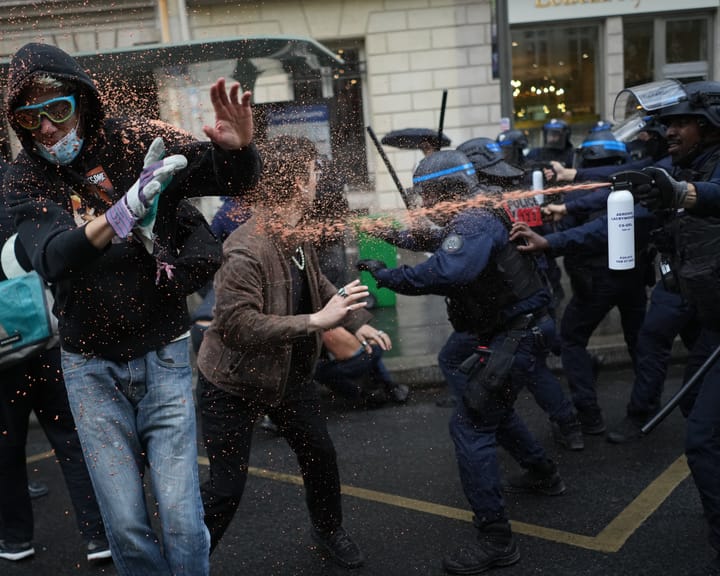
French Minister Refutes Police Brutality Claims Amid Ongoing Student Protests Across France – Europe Live
In recent developments, French Interior Minister Laurent Nuñez has refuted claims of excessive police force during the ongoing student protests in France. He emphasized that police action is only taken in response to violence or property damage. Addressing lawmakers, Nuñez described the protests as "unprecedented" due to the
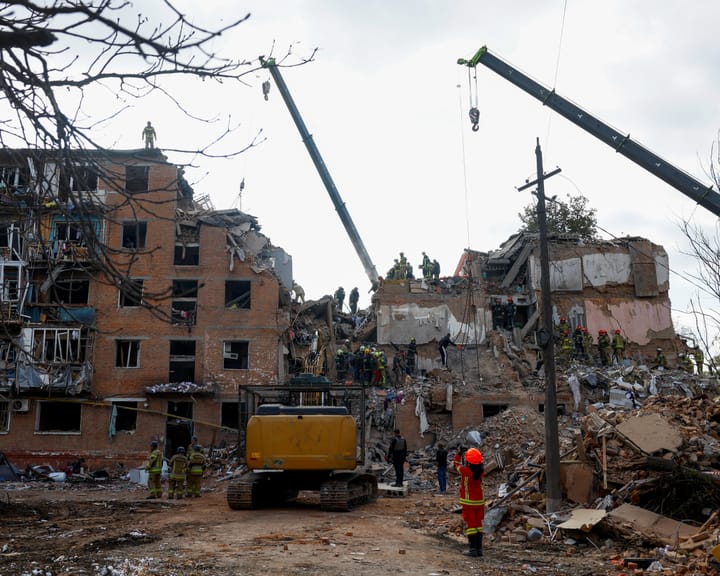
Ukraine Reports Russia Bombed Apartment Building Coinciding with Putin's Birthday
Volodymyr Zelenskyy has accused Russia's military of deliberately targeting civilians and bombing residential buildings as a grim gift for Vladimir Putin, who celebrates his 74th birthday on Wednesday.
Ukraine’s president described Russia’s overnight drone and missile strikes, which killed at least 24 people, as “despicable.” “The

Fears of 'another coup d'état' grow as Flávio Bolsonaro vows to 're-democratise' Brazil
Flávio Bolsonaro, the leading candidate for Brazil's presidency, has promised to "re-democratise" the nation, raising concerns about potential authoritarian governance should he win. Brazil transitioned to democracy in the 1980s after a harsh 21-year dictatorship, a period lauded by Flávio's father, former