
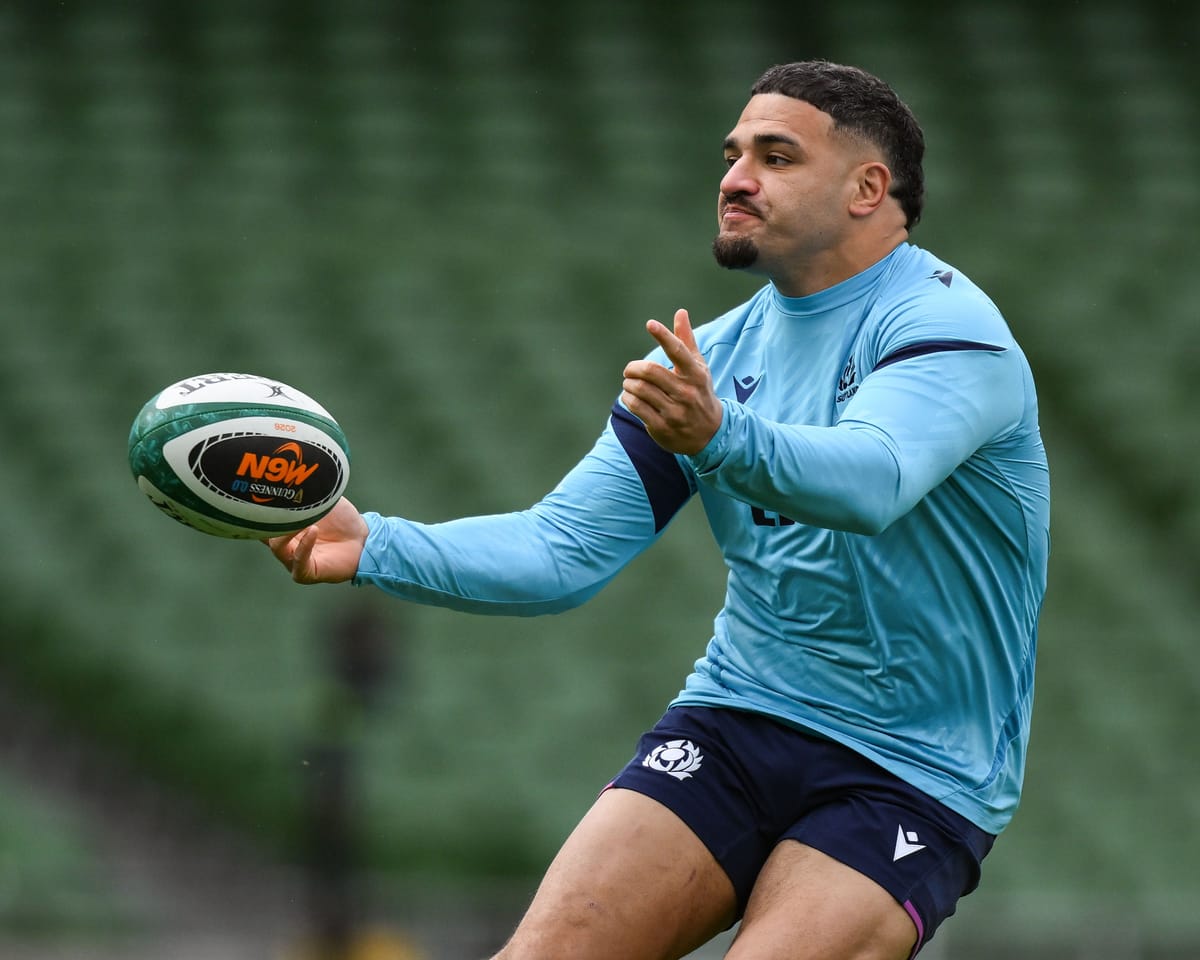
Trusting the process – an appealing notion on paper, yet its merit hinges on whether the process itself is sound.
After Scotland’s opening loss to Italy last month, Gregor Townsend weathered a familiar barrage of criticism. Commentators pointed to recurring flaws and warned that another disappointing season lay ahead. Townsend had previously described the humiliating defeat to Argentina in November, when Scotland surrendered a 21‑0 lead, as a “line in the sand moment,” only to watch that line dissolve beneath the relentless Roman rain.
“I stand behind what we’re doing and I trust the players,” Townsend said after the 18‑15 reversal at the Stadio Olimpico. “It didn’t work today. We must ensure it does next week.” Supporters, frankly, had heard similar assurances before.
Scotland’s display against Italy was chaotic in many ways, with a high error count preventing any recovery from the Azzurri’s flawless start. Yet the team rebounded the following week, and after victories over England, Wales and, most dramatically, France, it now appears nothing was irreparably broken.
Credit is due to the head coach for believing in himself and his squad, and for maintaining their attacking philosophy even after Grant Gilchrist’s embarrassing moment of having his trousers tugged by the Italians.
If last week’s thrilling performance against Les Bleus taught anything, it is that the most reliable path to the try line lies in retaining possession, circulating the ball wisely, and employing inventive running lines and strike moves that can unsettle even the toughest defence.
A lingering concern at the tournament’s outset was that World Rugby’s crackdown on “escort” defenders and a growing focus on contestable kicks might undermine the quality of the elite game.
While Steve Borthwick and England persisted with a largely one‑dimensional kicking plan, Townsend and Scotland showed against France that fluid passing, speed and attacking intent can produce extraordinary outcomes and some of the most memorable contests.
A maiden Six Nations crown feels tantalisingly close, yet Scotland will likely encounter a familiar obstacle in Dublin. No matter how polished a backline is or how rehearsed the set pieces, the game is lost if possession is snatched at its source.
France appeared oddly lacklustre defensively at Murrayfield, but Ireland’s coach Andy Farrell has reverted to the same lineup he used against England at Twickenham. History shows how that unfolded, and Scotland has felt the full force of Ireland’s power more than any other side.
Ireland’s back‑row, especially captain Caelan Doris, was at its most destructive against England. Should they replicate that collective intensity, the visitors will face a very tough day.
Scotland’s captain, Sione Tuipulotu, explained on Friday why he believes this encounter could be different.
Read next
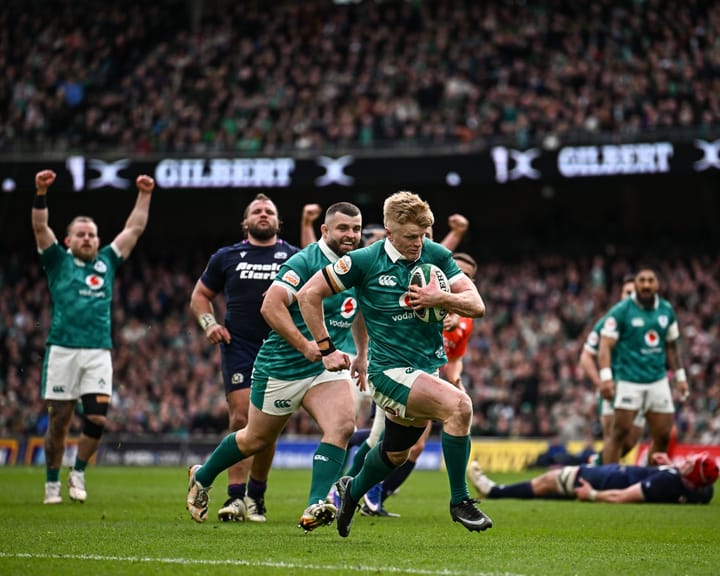
Townsend faces the usual narrative as Ireland's green energy outshines Scotland.
Some Irish supporters even admitted they would not resent a Scottish win, the triple crown and, perhaps, a maiden Six Nations triumph. There was a feeling that Gregor Townsend’s men had finally earned their moment in the spotlight, especially after the impressive fourth‑round victory over France. And this
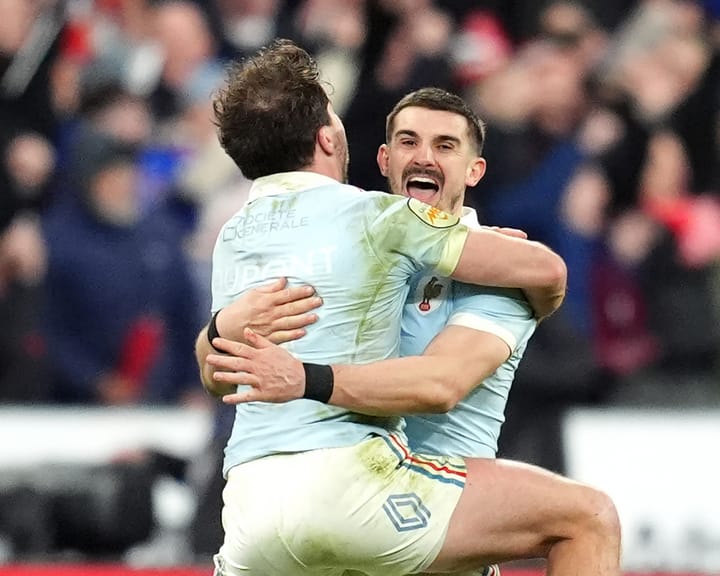
France clinch Six Nations with Ramos' last‑minute kick, sinking England in a thriller
The Six Nations has proved astonishingly erratic, and no one anticipated the dramatic climax that unfolded. Although France secured the championship for a second year running, England came within moments of ruining their electrifying celebration in a seesaw battle that will be remembered for ages. Ultimately, the hosts relied on
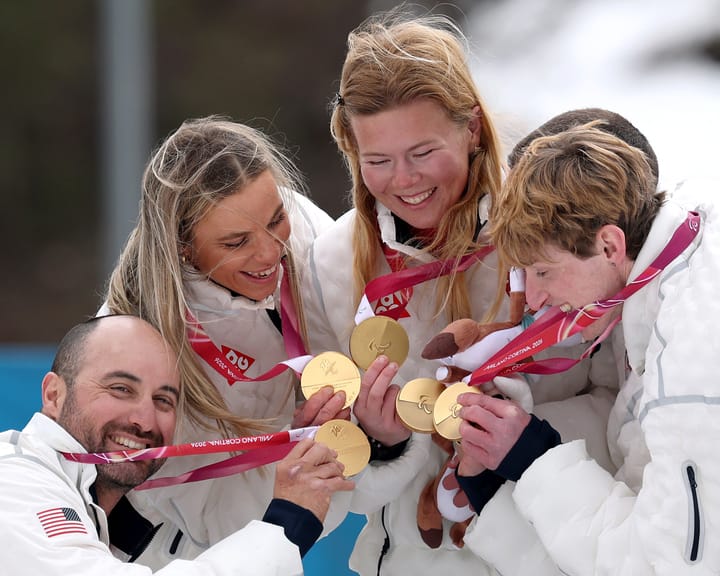
Jake Adicoff, the first openly gay American man to win Winter Paralympic gold, adds to his medal haul.
Jake Adicoff, the first openly gay American male Winter Paralympic champion, received no bow at the Milan Cortina Games this time.
Instead, teammate Oksana Masters knocked him to the snow after they secured the United States’ win in the para‑cross‑country mixed relay on Saturday.
“It started as a