
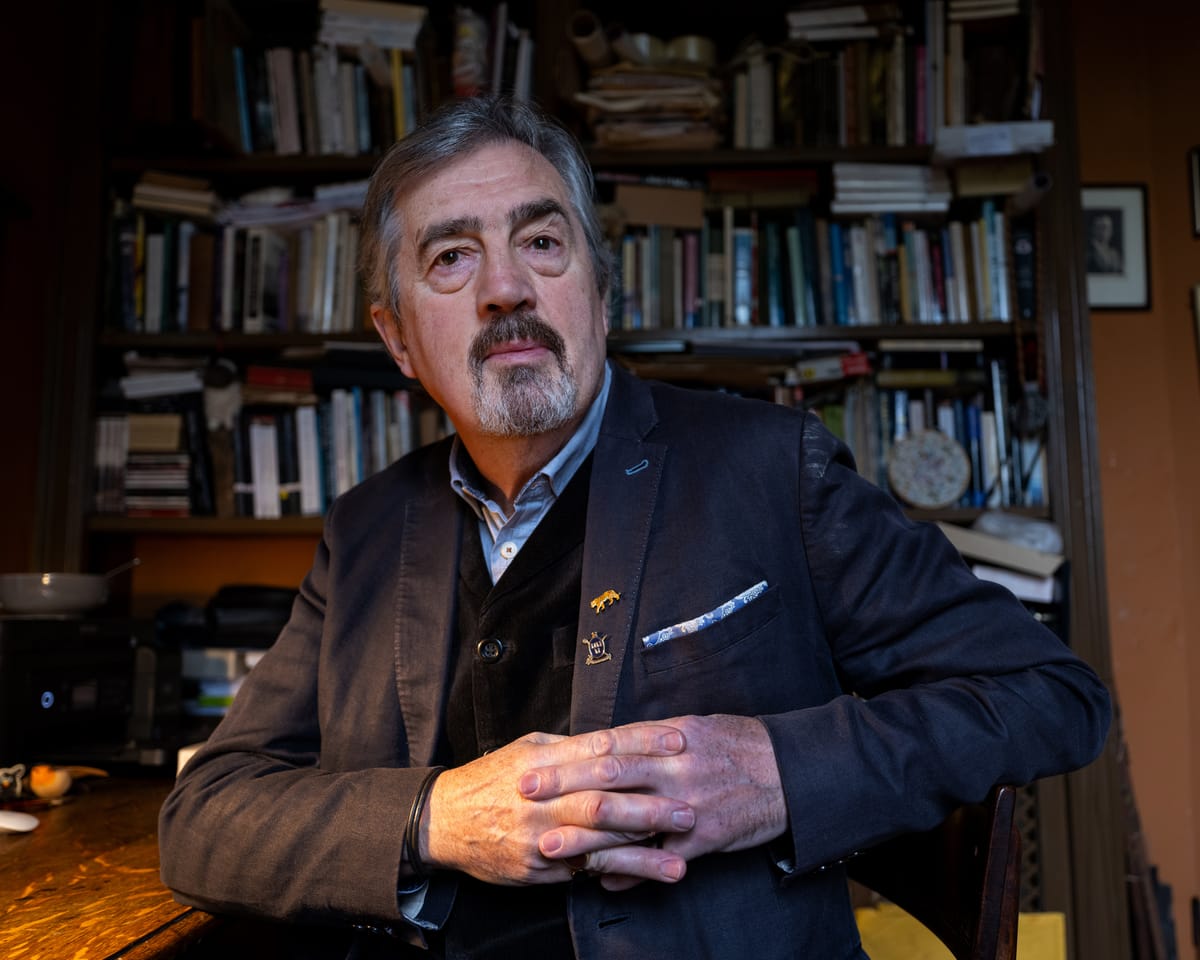
Sebastian Barry’s latest novel, *The Newer World*, gives voice to Tennyson Bouguereau, a formerly enslaved man navigating post-Civil War America. Through Tennyson’s recollections, the narrative revives the perennial question: is history better served by novelists or historians? Historians might demur, but as Barry illustrates, fiction can fill the gaps left by official records.
Barry’s own practice demonstrates this power. In her Reith Lectures, Hilary Mantel described history as “what’s left in the sieve when the centuries have run through it”, while Barry himself once called it “a fabulous arrangement of surmises and guesses held up as a banner against the assault of withering truth” – a line from his Costa-award-winning *The Secret Scripture*. The author frames history not as a fixed record but as something more fluid, akin to a butterfly net: historians capture what they deem significant, often omitting what suits their purposes.
Barry has long used fiction to redress these omissions. His earlier work refracted Irish history through the fictional Dunne and McNulty families. *Days Without End* won his second Costa award, following Irish famine refugee Thomas McNulty into America, where he participates in the clearance of Native Americans and adopts Lakota girl Winona. Her story continues in *A Thousand Moons* (2020), which settles Winona, Thomas, and John on a farm outside Paris, Tennessee – now also home to Tennyson and his twin sister Rosalee.
With The Newer World, a loose trilogy seems to form, the storytelling baton passing from Irish refugee to Native American to formerly enslaved man. This shift feels urgently contemporary, relevant to “the writer’s now”, as John Fowles put it. The post-bellum Tennessee landscape is vivid: Confederates may have been defeated, but their ideologies remain virulent, “all their intent was to shove us back into the hog pen and put the hasp on tight as they could, against any further straying”.
Structured as part Bildungsroman, part picaresque, Tennyson’s account moves from the war’s “end of the world” to its aftermath’s “guns and watchfulness”. He and Rosalee, once enslaved orphans, are “freed but not free”, “nothing people” – a description echoing Winona’s “just the cinders of an Indian fire” and Thomas’s “ruined people”. Barry’s gift is giving voice to those history writes out. His language soars, a vertiginous prose that makes the overlooked impossible to ignore.
Consider his prose: a reunion with his sister at sunset, “The harbour of my brave sister. The darkness growing in courage and, since it met no enemy, having its little victory everywhere. Pleasing darkness, in its way. There was bliss in those long moments”. Such phrasing, applied to “nothing people”, transforms them into figures we cannot overlook.
Barry also uses poetic rhythm to lay bare atrocity. In one siege scene, “Men cried out as the life was lifted from them. All in the cruel dark.” Cruelty is both endured and inflicted: Thomas McNulty in *Days Without End* slaughters Indigenous Americans; Tennyson in *The Newer World* does the same. “Never enough for Americans to live in their American paradise. There had to be blood and chaos all the while too,” he writes. What does it mean to be part of a “killing machine” where “even one death was a personal matter”?
Few writers combine such high-register language with unflinching brutality, and Barry’s natural empathy pre-empts the usual cultural appropriation debate. Any writer may imagine any viewpoint, but Barry’s body of work suggests he has earned the right.
Read next
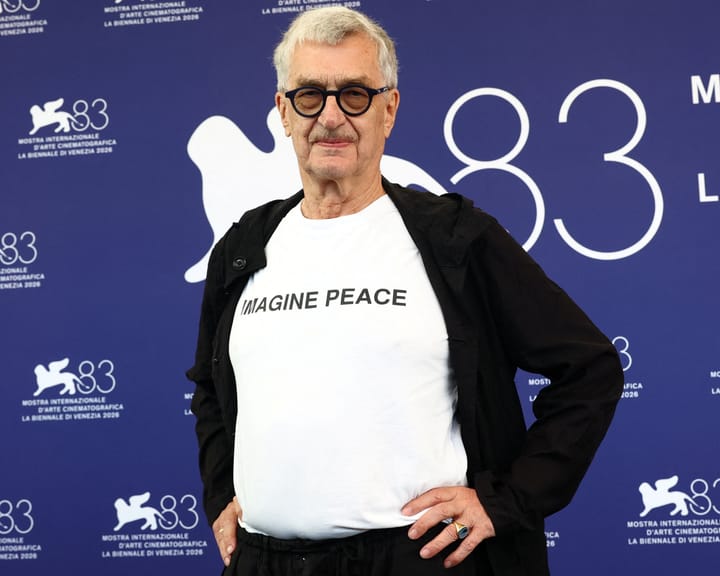
Wim Wenders says film-makers should not avoid political involvement
Filmmaker Wim Wenders has clarified his earlier comments on the relationship between cinema and politics. Speaking at the Venice film festival, he stated that he does not believe filmmakers should completely avoid political engagement.
Earlier in the year, while serving as jury president at the Berlin film festival, Wenders told
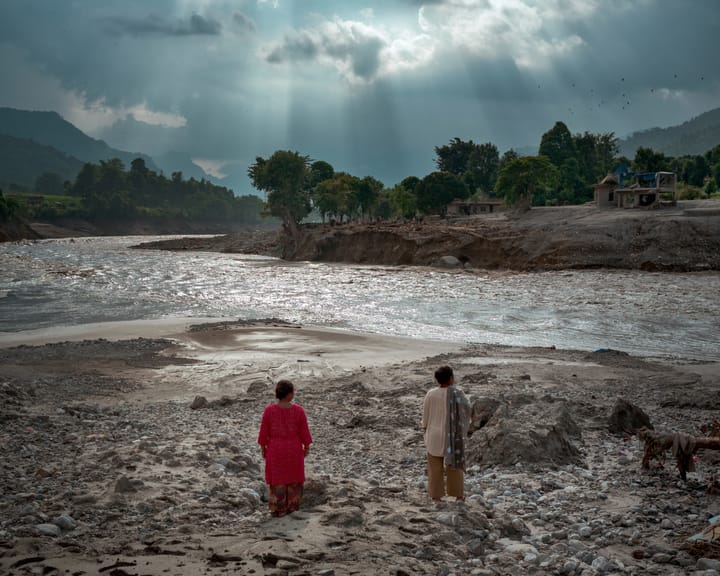
The week around the world in 20 images
The week witnessed a series of catastrophic events, including the devastating floods along the Nepal-Tibet border, Russian missile attacks on Kyiv, the rapid spread of the Plaskett Fire across California, and the vibrant celebration of the Notting Hill carnival. The following images, captured by top photojournalists, document these moments.
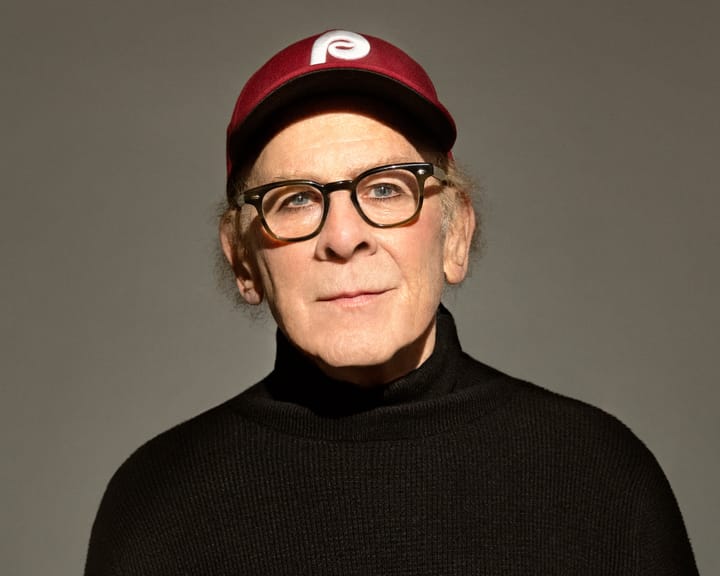
"Why Not Aim to Be the World's Best, Just for Fun?" Art Garfunkel on a Fulfilling, Restless Journey and His Reconciliation with Paul Simon
As Art Garfunkel is eager to emphasize, “I am a singer – there, use that as the title of your article” – but he was never only a singer. “I’ve been an actor. I am a writer,” he continues. “I’ve walked across countries, taken freighters across oceans. I’ve read