
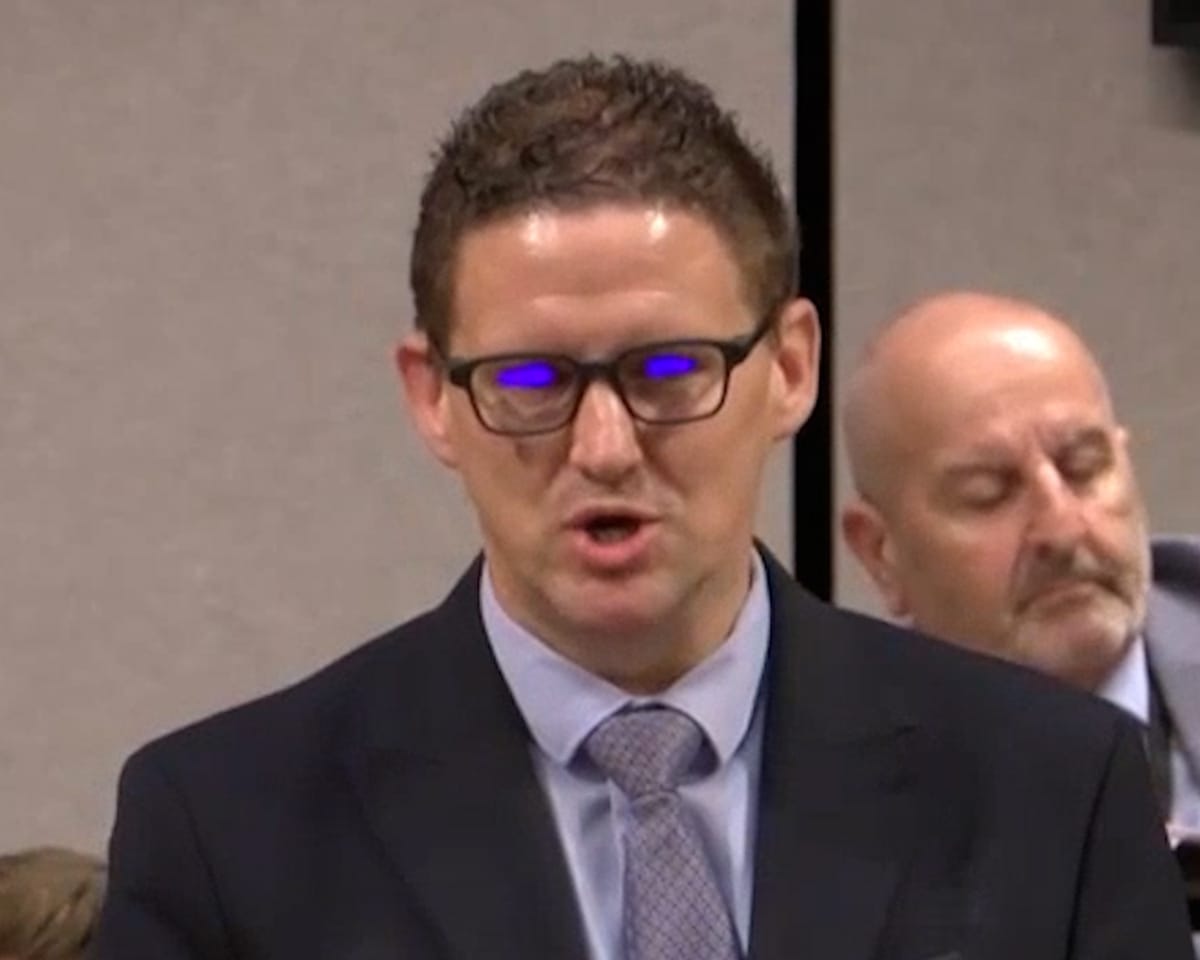
Jason O’Connell, a member of Reform UK in the Senedd, delivered a detailed speech with precise statistics on road speed limits. However, his use of spectacles, which intermittently flashed, raised suspicions. He spoke without notes, leading the party's call to eliminate 20mph zones. O’Connell highlighted Cardiff's review of 192 roads following 933 requests, resulting in only four returning to 30mph. He criticized the policy as wasteful, citing £38.3m spent on implementation and potential economic damage up to £8.9bn.
Suspicions arose that O’Connell's glasses might be smart glasses, functioning as discreet teleprompters. This prompted discussions about regulating smart glasses, especially those popularized by Meta, in the Welsh assembly. Concerns focused on the need for clear guidelines, although there was no suggestion of recording.
The issue extended to the UK House of Commons, where the Liberal Democrats urged Speaker Lindsay Hoyle to address the rising use of smart glasses, especially with the holiday season approaching. Anna Sabine, the Liberal Democrat spokesperson for culture, media, and sport, expressed concerns about the potential for smart glasses to influence parliamentary debates, questioning the authenticity of MPs' contributions.
Sabine emphasized the challenge of identifying smart glass wearers and advocated for a law to maintain privacy and security on the parliamentary estate. She highlighted the discreet nature of smart glasses, which can record without detection, posing risks to parliamentary rules against unauthorized recording and photography.
A UK parliament spokesperson stated that a review of policies on camera-equipped smart glasses and other wearable technologies was underway. The House of Lords' senior deputy speaker confirmed that the review would consider the implications of these technologies, balancing security, privacy, operational needs, and accessibility.
Read next

Uber Launches Self-Driving Robotaxi Trial in Manchester
Uber has initiated a trial of autonomous vehicles in Manchester as part of its efforts to introduce robotaxi services in various UK cities. The first self-driving cars, developed using technology from partner firms Pony and Verne, are in operation. This collaboration previously led to Europe's inaugural autonomous

Palantir and Sadiq Khan End Legal Dispute Over Met Contract
Palantir Technologies and London Mayor Sadiq Khan have resolved their legal dispute over allegations that Khan blocked the U.S. tech firm from securing a contract with the Metropolitan Police, citing concerns about the company's values and ethics.
The companies announced on Wednesday that they had withdrawn mutual

Apple AirPods 5 Review: Top Open-Fit Earbuds to Date
Apple has launched the latest AirPods, setting a new standard for open-fit earbuds with enhanced noise-cancelling capabilities that now rival many in their price range. The AirPods 5 retain the design of the popular AirPods 4, catering to users who prefer not to use silicone ear tips, which