
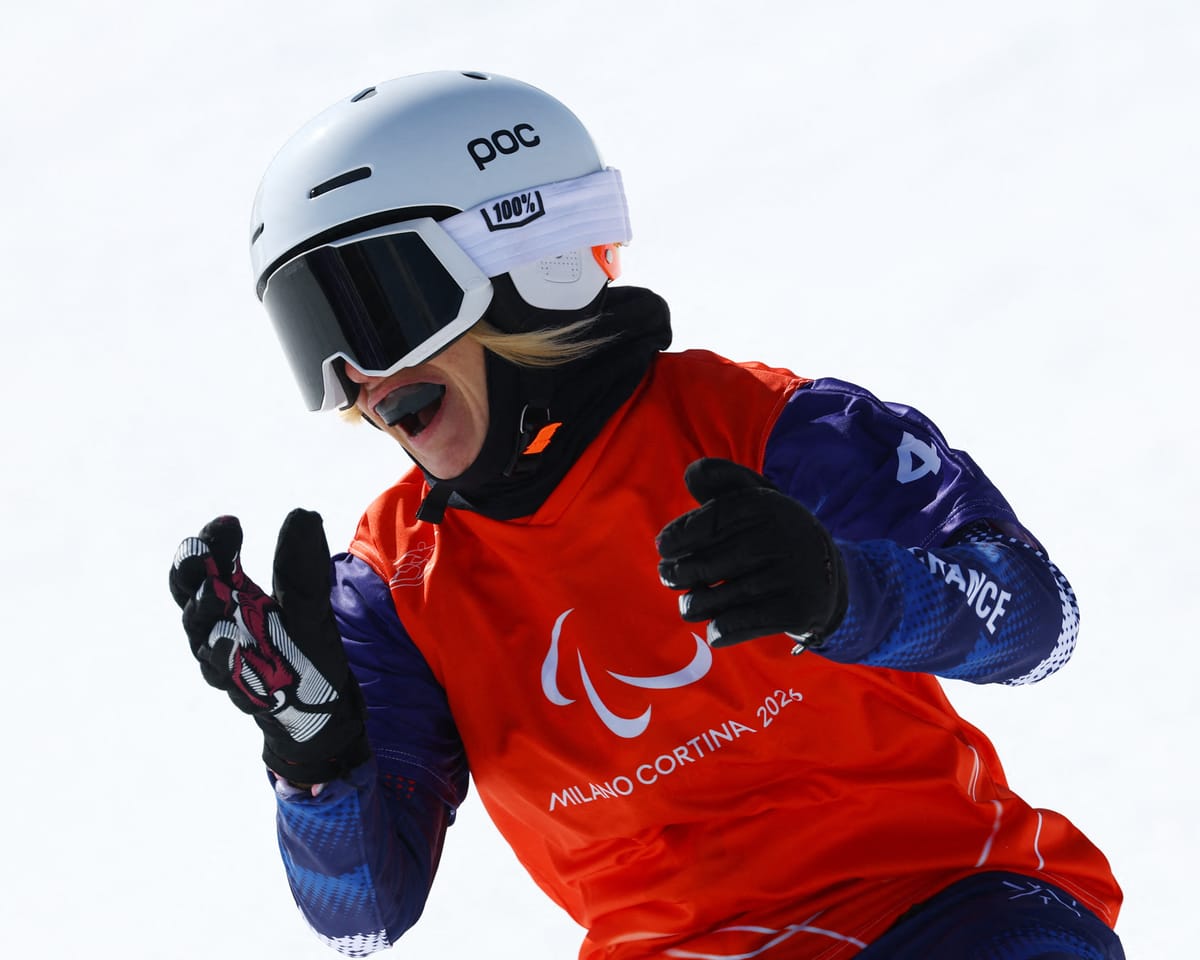
Looking from the southern edge of the San Zan track, the initial view for fans of the snowboard cross is a line of riders breaking the skyline. Emerging from the exit of a left‑handed bend, the competitors appear as they launch the first of several jumps, a section oddly suited for gaining momentum. In an instant the scene vanishes as the athletes slip behind the safety barriers. The reaction of the assembled audience is unmistakable: a collective shout erupts.
Snowboard cross demands considerable technical ability, with competitors tackling a succession of obstacles—jumps, berms, rollers and drops—on a serpentine track. Yet all that expertise ultimately serves the pursuit of velocity. Each motion is tuned to minimise friction and drag. When the added difficulty of balance and steering with a physical impairment is considered, it is little wonder that Sunday’s Paralympic snowboard cross finals turned into a chaotic affair.
Australian Amanda Reid, a Paralympic gold‑medal swimmer trying snowboarding for the first time, was escorted to hospital after a backward tumble in the women’s LL1 heats (the class for more severe lower‑limb impairment). While receiving aid beside the track she remained conscious and conversed with medics. Britain’s Davy Zyw was likewise taken to hospital as a precaution following a crash at Daytona Corner. Zyw, who lives with motor neurone disease, is believed to be the inaugural snowsport competitor with that diagnosis at the Paralympics. Observers of his fall suggested that reduced upper‑body strength from the illness prevented him from stabilising at the crucial instant. Additional collisions occurred between two riders in the men’s LL1 final and three more in the men’s upper‑limb “small final.” The scene was overwhelming.
Observing Paralympic competition can provoke both admiration and astonishment at the hazards athletes embrace. The motives are often deeply personal, as in Zyw’s case, diagnosed with MND seven years prior and given a three‑year prognosis. Yet broader motivations also exist, and they were evident as well.
The loudest applause arrived during the second‑to‑last race, when Italy secured gold in the men’s LL2 class (the milder of the lower‑limb divisions). Emanuel Perathoner dominated the competition, finishing over three seconds ahead of Australian Ben Tudhope.
The 39‑year‑old Italian is a former Olympian, having raced in Pyeongchang eight years earlier. An injury that required a left‑knee reconstruction halted his build‑up for the Beijing Games. By 2025 he claimed the world title in the LL2 parasport division and has remarked that he perceives no distinction between the two athlete categories.
Read next
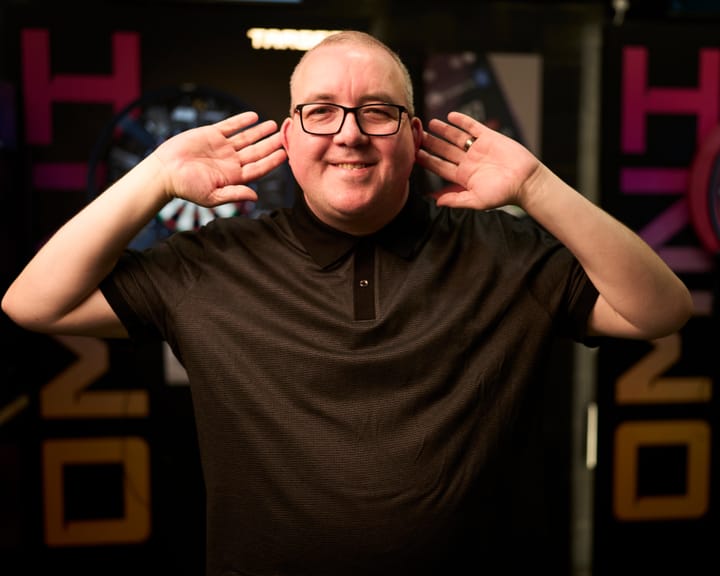
Stephen Bunting calls death threats and social media abuse ‘very hurtful’ as he addresses Luke Littler’s rise
Definitely," Stephen Bunting says, reflecting on whether the relentless effort required as a darts player on social media feels like a deal with the devil. Following Luke Littler, the prodigious teenage world champion, Bunting is darts' most heavily marketed figure. Yet over the past year, his success on
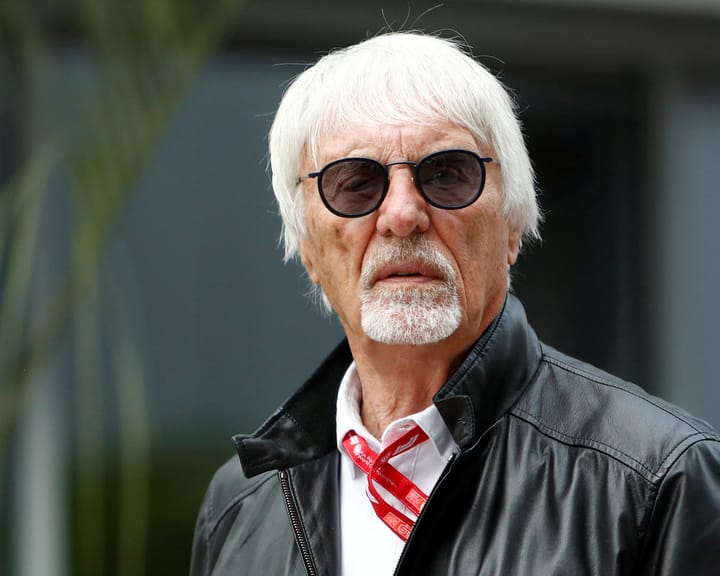
Bernie Ecclestone questioned after shotgun discovered on his private jet in Portugal
Bernie Ecclestone was detained in Portugal on Monday after customs authorities found an undocumented shotgun in his possession at Tires Aerodrome in Cascais. The incident was confirmed by CuriosityNews, which independently verified the matter with authorities.
The 95-year-old former Formula One chief’s private jet had just landed
49ers preseason: fake wide receivers and undercover stings make it the wildest ever?
The Los Angeles Rams and San Francisco 49ers have arrived in Australia for this week's NFL season opener in Melbourne. While the flight duration from California to Victoria is approximately 16 hours for both squads, their paths to the season's beginning have been starkly contrasting.
The