

A court in southwestern Spain has sentenced 15 students to one year's probation for generating and circulating manipulated images featuring their female classmates. This decision came after a series of reports highlighted the misuse of deepfake technology, sparking discussions on its potentially harmful implications.
Local authorities launched an investigation following complaints from parents in Almendralejo who discovered that digital alterations to photographs of their daughters had been shared within WhatsApp groups since July.
The parent of a girl impacted by the incident explained, "Many girls felt deeply distressed and experienced severe anxiety as they faced this ordeal silently."
In its ruling on Tuesday, an educational court in Badajoz found each student guilty on 20 counts relating to child abuse images and further charges concerning the moral integrity of their victims. The students received probation for one year and were mandated to participate in sessions centered on gender awareness and responsible technology use.
The court's statement revealed that artificial intelligence tools had been used by the minors to create these manipulated images, which involved superimposing original photos of girls onto nude female figures sourced from social media platforms. These falsified images were then disseminated through two WhatsApp groups.
Law enforcement identified multiple teenagers aged between 13 and 15 as the culprits behind creating and sharing these images. While under Spanish legislation, minors younger than 14 cannot face criminal charges, their cases are referred to child welfare services, which may mandate participation in rehabilitation programs.
In a previous interview one of the victims' mothers expressed her astonishment and disbelief upon discovering her daughter’s involvement in this matter.
The Malvaluna Association representing the affected families emphasized that this case has broader implications for Spanish society. They stated: "This incident should prompt us to reflect on the urgent need for comprehensive sex education at schools, ensuring children are not exposed to pornography and its potential to perpetuate gender-based violence."
In summary, a Southwestern Spain court sentenced 15 students to probation after they were found guilty of generating manipulated images featuring their classmates. The case drew attention to the misuse of deepfake technology and sparked discussions on responsible technology use and comprehensive sex education in schools.
Read next
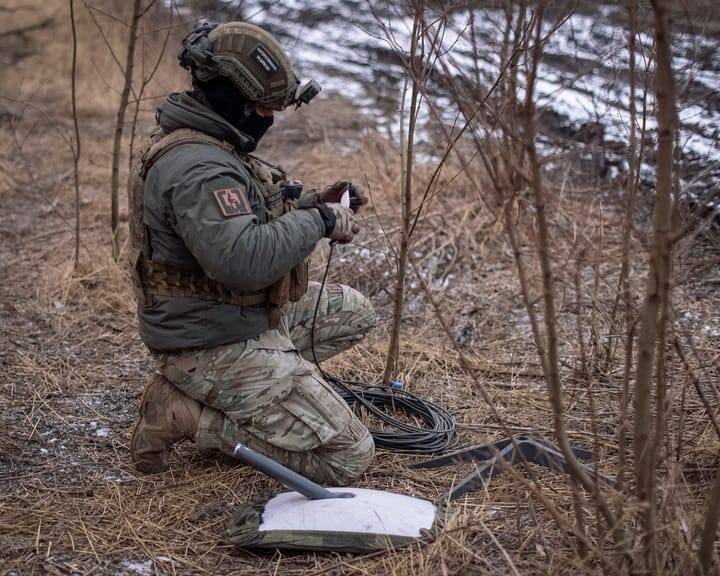
Ukrainian combat troops gain restricted access to Starlink satellite internet
Ukrainian soldiers experienced a sudden disruption in their access to Starlink satellite internet terminals amid increased pressure from the Trump administration for Ukraine to cease long-range attacks on Russia’s oil infrastructure. These terminals, managed by Elon Musk’s SpaceX, are vital for Ukraine's military operations. The

Russia's latest Ukraine attacks show 'disrespect' towards US, says Zelenskyy — Europe live
Sikorski Confronts Musk Over Starlink in Ukraine
Poland’s Foreign Minister Radosław Sikorski recently addressed Elon Musk on X, questioning reported restrictions on Starlink services in Ukraine. Poland contributes significantly to Ukraine’s funding of Starlink, which is crucial for maintaining internet connectivity in Kyiv and its military operations, with

"Breaking Stigma: Nikita Jager's Triumph in Civil Rape Case Against Conor McGregor"
Nikita Hand faced a challenging decision when considering a civil case against Conor McGregor following a 2018 assault. Despite her personal reservations about being an "imperfect victim" due to alcohol and drug use on the night of the incident, she chose to proceed. This decision stemmed from her