
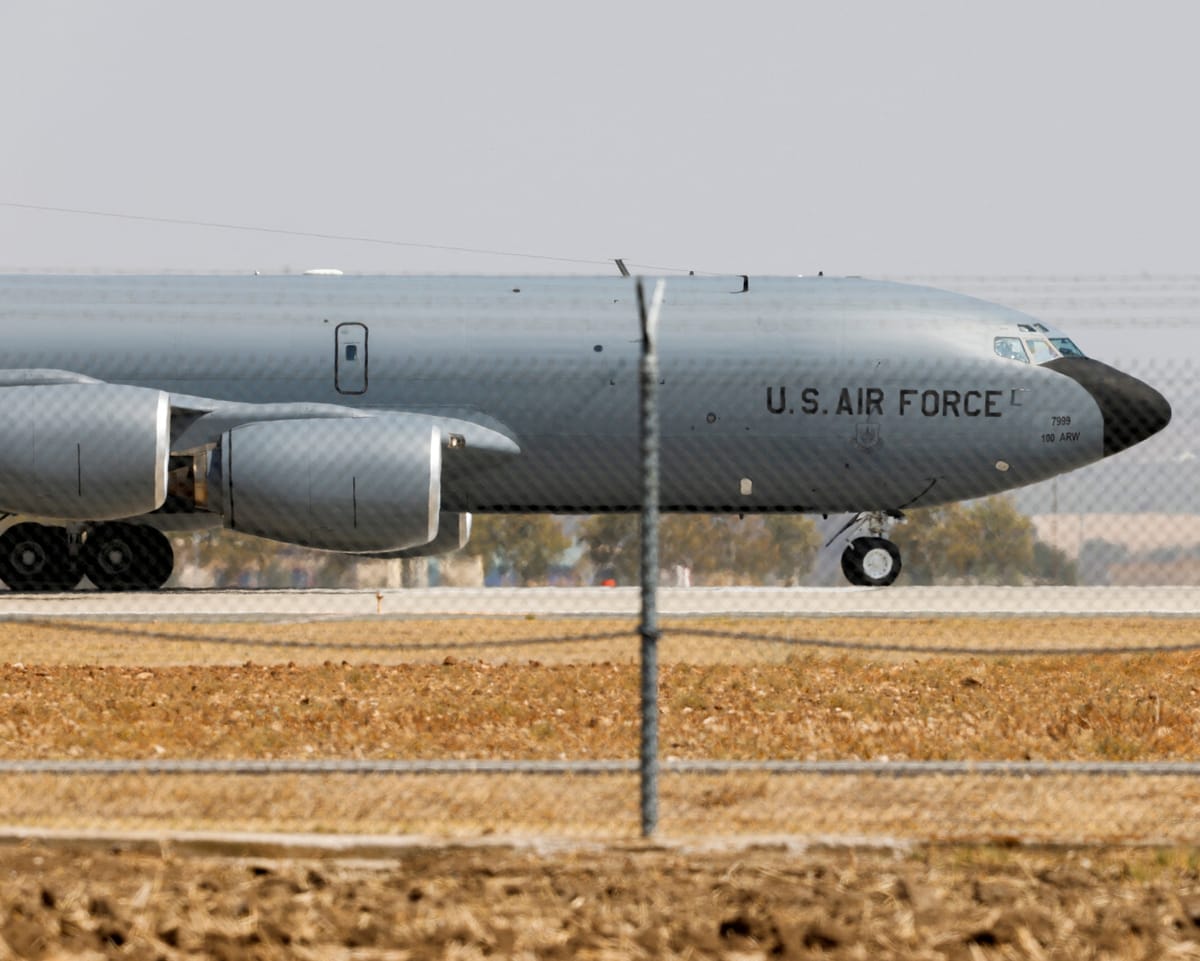
Spain has refused the United States permission to employ jointly run military bases on its soil for attacks on Iran, as Madrid intensified its criticism of what it called an “unjustified and dangerous military intervention.”
Prime Minister Pedro Sánchez, leader of the socialist government, openly denounced the US‑Israel “unilateral military action” against Iran, warning that it fuels “a more hostile and uncertain international order.”
His criticism was reinforced by the administration’s decision not to permit US use of the Rota and Morón bases for the ongoing strikes on Iran.
Foreign Minister José Manuel Albares told reporters on Monday that, while Madrid supports “democracy, freedom and fundamental rights for the Iranian people,” it will not allow its facilities to be employed in the present military campaign.
“I want to be absolutely clear,” he said on Telecinco. “The bases are not being used – nor will they be used – for anything outside the agreement with the United States, nor for anything not covered by the UN charter.”
Defence Minister Margarita Robles echoed the stance, stating that neither base had taken part in the US operation. “There is an arrangement with the United States concerning these bases, but our interpretation is that any activity must respect international legal frameworks and enjoy international backing,” she explained.
Data from the flight‑tracking service Flightradar24 indicated that fifteen US aircraft have departed Rota and Morón since the US and Israel launched their attacks over the weekend, with at least seven of those planes later recorded at Ramstein Air Base in Germany.
US defence officials declined to comment on the motives behind the departures.
On Saturday, Sánchez said the offensive led by Donald Trump and Benjamin Netanyahu was destabilising the world and urged a durable political resolution to the dispute.
He reiterated the point in a Barcelona address on Sunday. “Now more than ever, it is essential to recognise that one can oppose a hateful regime – as Spanish society does regarding the Iranian government – while also rejecting an unjustified and dangerous military intervention that breaches international law,” he asserted.
Sánchez’s forthright rebukes are unlikely to win favour with Trump, who last year criticised Spain for rejecting NATO’s call for members to raise defence spending to 5 % of GDP.
Nevertheless, the prime minister’s remarks align with his reputation as one of Europe’s most outspoken leaders; he has been a leading European critic of both Israel’s war in Gaza and the EU’s response.
Other European heads of state have tried to hedge their positions on Trump’s latest push for regime change abroad. The UK prime minister, Keir Starmer, initially barred US forces from using Diego Garcia or any British airfields because of concerns over the legality of the strikes.
Read next
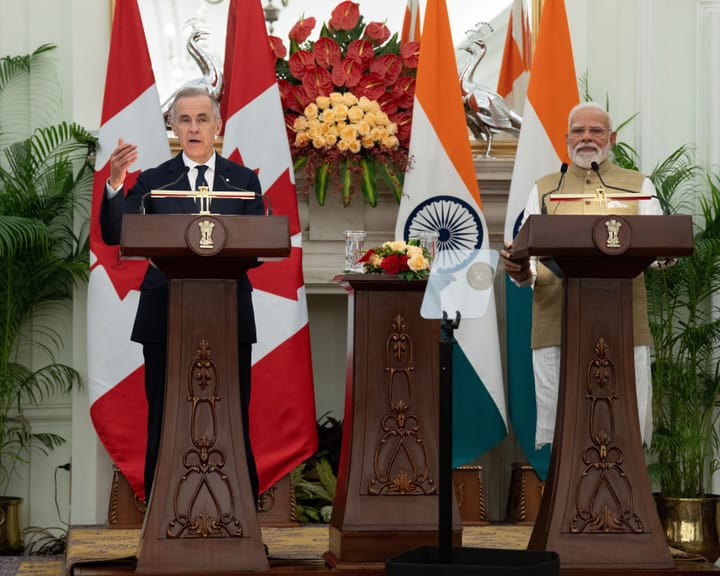
Carney faces calls to confront Indian interference claims after meeting with Modi
Mark Carney faces growing scrutiny over whether he thinks Indian meddling in Canada still poses a danger after his meeting with Narendra Modi, India’s prime minister, whose administration is alleged to have arranged the killing of a Canadian citizen.
“We are one family,” the Canadian prime minister said from
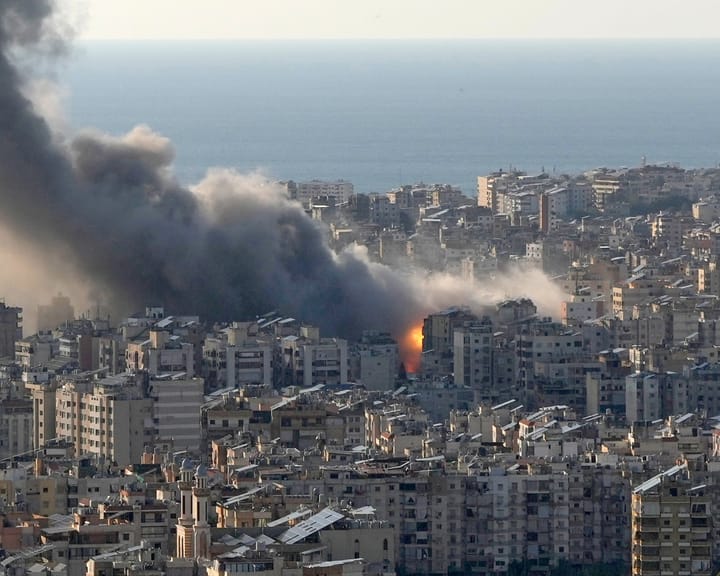
US and Israel's campaign against Iran spreads dramatically throughout the Middle East
The conflict in the Middle East, sparked by a combined US‑Israeli strike on Iran, widened sharply on Monday, with casualties and damage reported in at least nine nations within ten hours.
Israeli and American aircraft carried out a new series of bombings over Iran, where the Iranian Red Crescent
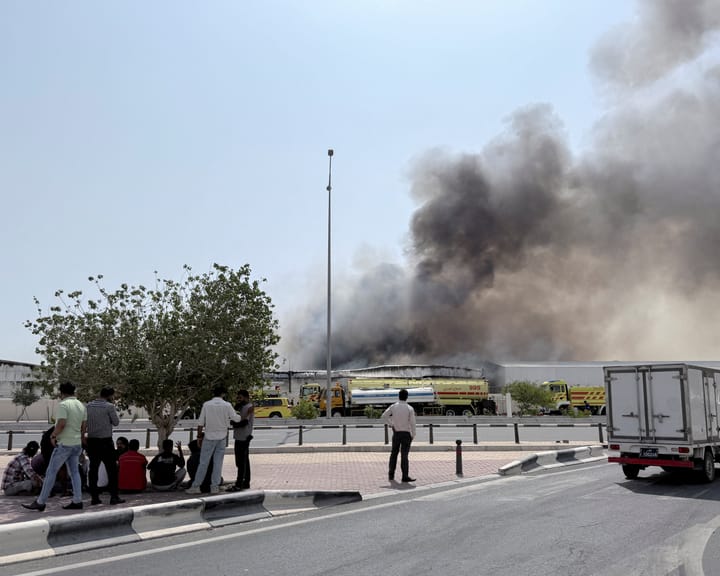
Gulf Nations Near Action Against Iran Over “Reckless” Regional Strikes
Gulf states, emboldened by Donald Trump, are close to abandoning their neutrality in the conflict with Iran as retaliation for Tehran’s repeated “reckless and indiscriminate attacks” on their land and infrastructure.
The appeal, spearheaded by the United Arab Emirates within the six‑nation Gulf Cooperation Council, urges the Arab