
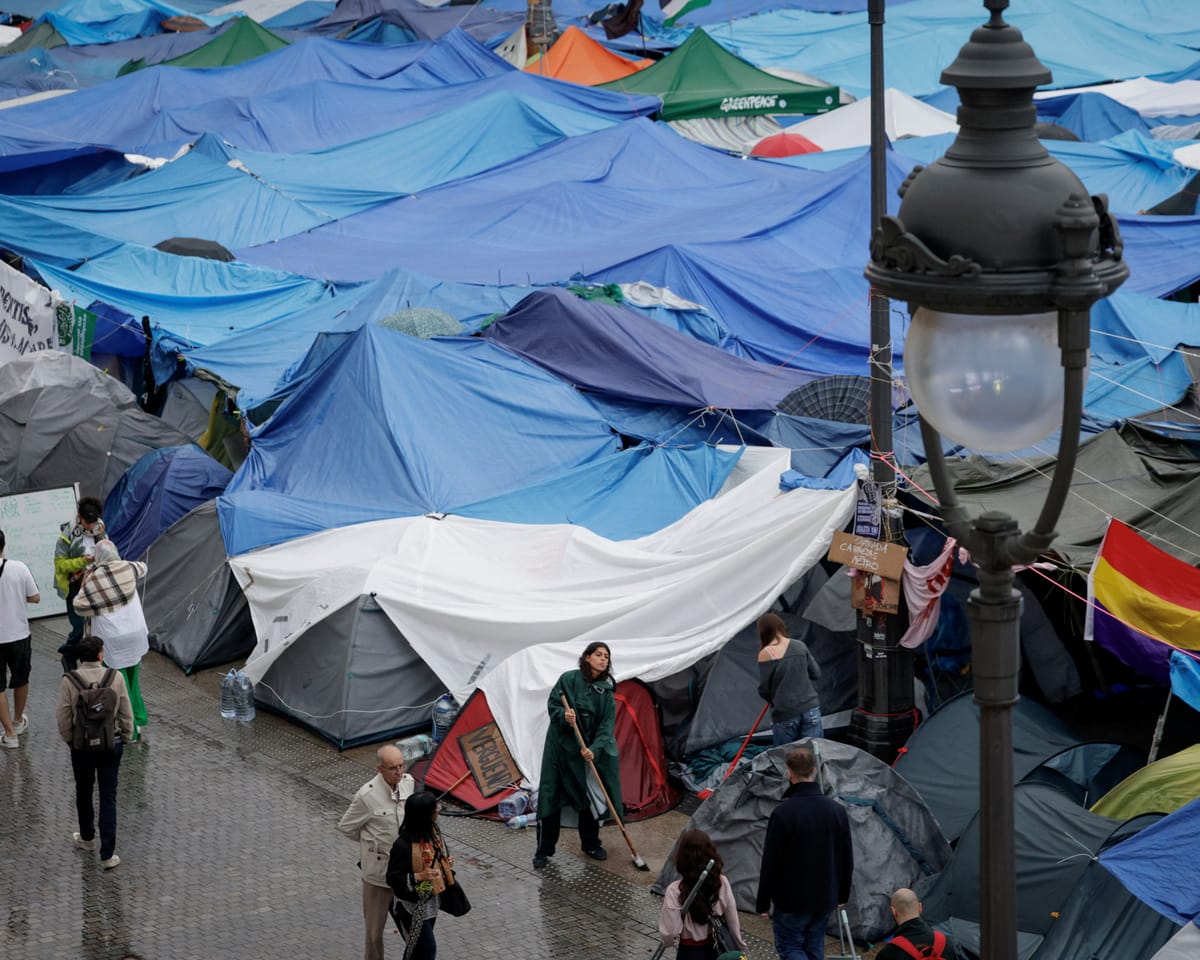
In Madrid's central Puerta del Sol square, amidst a sprawling tent encampment, Sélpide San Luis, 26, highlighted the rapid establishment of a makeshift community. She noted, "We built a city in a week." The encampment features over 1,200 tents, complete with urban planning, named streets, and surveillance systems. San Luis emphasized that the protest has kept the housing crisis in the media spotlight, a long-sought goal for activists.
This week marked a pivotal moment for the movement, following the eviction of 87-year-old Maricarmen Abascal from her home. In response to protests and encampments nationwide, Socialist Prime Minister Pedro Sánchez announced an early general election, after right-wing parties blocked emergency housing legislation.
Alicia del Río of the Madrid Tenants’ Union stated, "The power of the people has ushered in a new era," hinting at plans for a general strike in November. Del Río challenged parliamentarians to support housing reforms demanded by the majority of voters or to continue prioritizing rentier interests.
Sánchez's decision to advance the election, originally scheduled for 2027, is a gamble. Polls suggest a possible right-wing coalition between the People's Party and the far-right Vox party. However, the widespread anger over soaring rents, which have increased by 80% in a decade, offers Sánchez an opportunity to maintain his left-wing coalition.
Antonio Prieto, 36, reflected on the urgency of the situation, "Bringing forward the elections is risky. But there’s also a feeling of 'now is the moment.'" He believes that delaying could have allowed the right and far-right to gain power, but the current momentum on housing issues offers a glimmer of hope.
Prieto and others hope left-leaning parties will unite to form a broad coalition. He remains optimistic that the movement has highlighted the importance of addressing housing issues.
The eviction of Abascal, who lived in her home for over 70 years, brought national attention to Spain's housing crisis. The investment firm that acquired her property later allowed her to return without the steep rent increase. However, protests continue to demand systemic change.
Prieto views these protests as a "moral duty," citing the Spanish constitution's guarantee of "decent and adequate housing." He argues that the current situation represents a systematic constitutional violation.
The encampment has drawn visitors, many expressing support. Juan Vázquez of the Housing Union of Carabanchel noted that people from all walks of life have offered encouragement and resources.
The challenge now is to convert public support into tangible change. Vázquez criticized right-wing policies for exacerbating class struggles and noted that Sánchez's government has not addressed speculative rentier profits.
As Spain approaches elections, the movement aims to maintain momentum, emphasizing the importance of organizing and applying pressure to secure housing rights. Jorge Rubio, 27, stressed the stakes involved, citing dramatic rent increases that make housing unaffordable for many. He called for a broader European movement to address the housing crisis.
The protests underscore a critical period in Spain's political landscape, with housing at the forefront of national discourse.
Read next
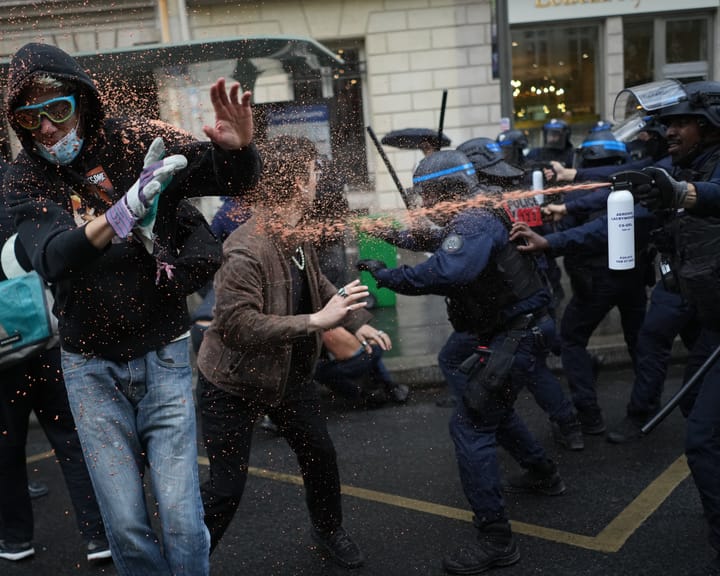
French Minister Refutes Police Brutality Claims Amid Ongoing Student Protests Across France – Europe Live
In recent developments, French Interior Minister Laurent Nuñez has refuted claims of excessive police force during the ongoing student protests in France. He emphasized that police action is only taken in response to violence or property damage. Addressing lawmakers, Nuñez described the protests as "unprecedented" due to the
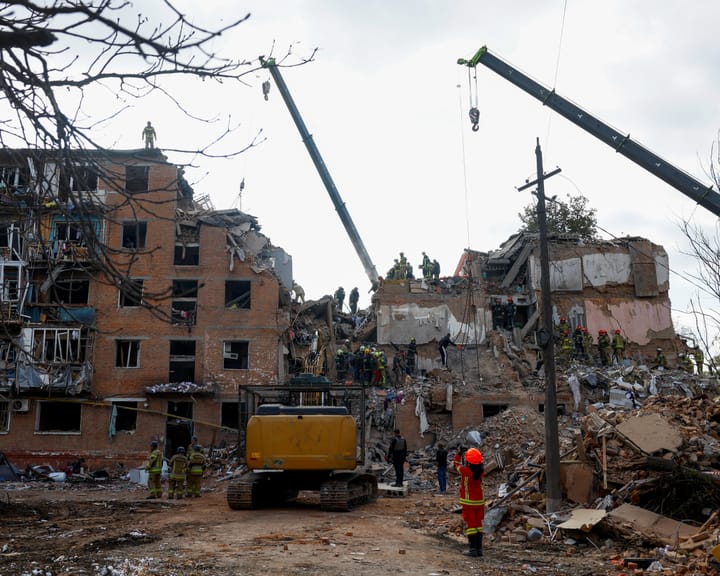
Ukraine Reports Russia Bombed Apartment Building Coinciding with Putin's Birthday
Volodymyr Zelenskyy has accused Russia's military of deliberately targeting civilians and bombing residential buildings as a grim gift for Vladimir Putin, who celebrates his 74th birthday on Wednesday.
Ukraine’s president described Russia’s overnight drone and missile strikes, which killed at least 24 people, as “despicable.” “The
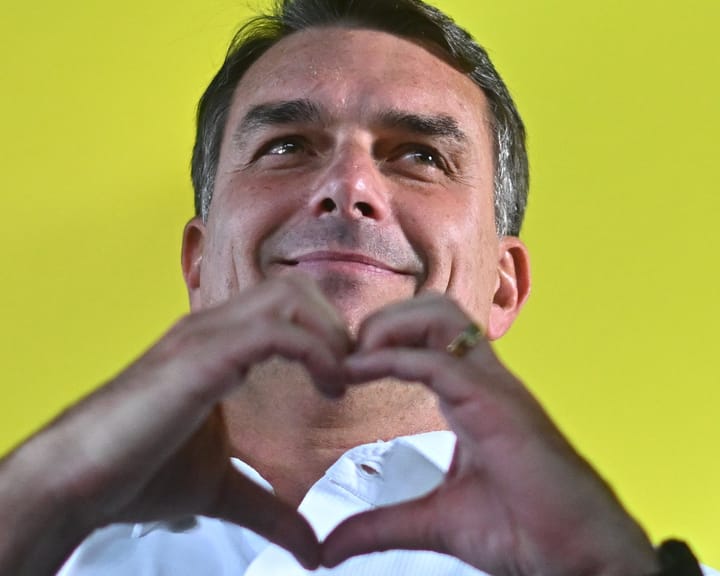
Fears of 'another coup d'état' grow as Flávio Bolsonaro vows to 're-democratise' Brazil
Flávio Bolsonaro, the leading candidate for Brazil's presidency, has promised to "re-democratise" the nation, raising concerns about potential authoritarian governance should he win. Brazil transitioned to democracy in the 1980s after a harsh 21-year dictatorship, a period lauded by Flávio's father, former