
Sri Lanka is adopting a shortened four‑day workweek in an effort to conserve its dwindling fuel and gas stocks as the conflict in the Middle East continues to disrupt energy deliveries across the region.
Countries throughout South Asia are confronting severe shortages of petrol and LPG, which are essential for household cooking and even for cremations, after most shipments have been delayed in the Gulf following U.S. and Israeli strikes on Iran.
The Strait of Hormuz, a vital conduit for the bulk of South Asia’s oil and gas, has effectively been closed for two weeks after Iran imposed a blockade in retaliation for the attacks.
All nations in the area rely almost entirely on imports for their fuel and gas, and many have warned that their current reserves will only sustain electricity supplies for a few weeks.
Bangladesh, concerned about a potential fuel shortfall for its garment factories, announced early Ramadan holidays for universities to cut consumption and has introduced scheduled power cuts.
Pakistan, which obtains about 85 % of its energy through the Strait of Hormuz, shifted schools to remote online instruction this week and raised fuel prices in an attempt to curb hoarding.
Sri Lanka is among the states reducing working hours to save fuel, most of which is sourced from the Middle East. Beginning Wednesday, government offices, schools and universities will operate on a four‑day schedule, and civil servants are being urged to work from home where feasible.
“We are also requesting the private sector to follow suit and observe every Wednesday as a holiday from now on,” Prabath Chandrakeerthi, commissioner general of essential services, told reporters after an emergency meeting chaired by President Anura Kumara Dissanayake.
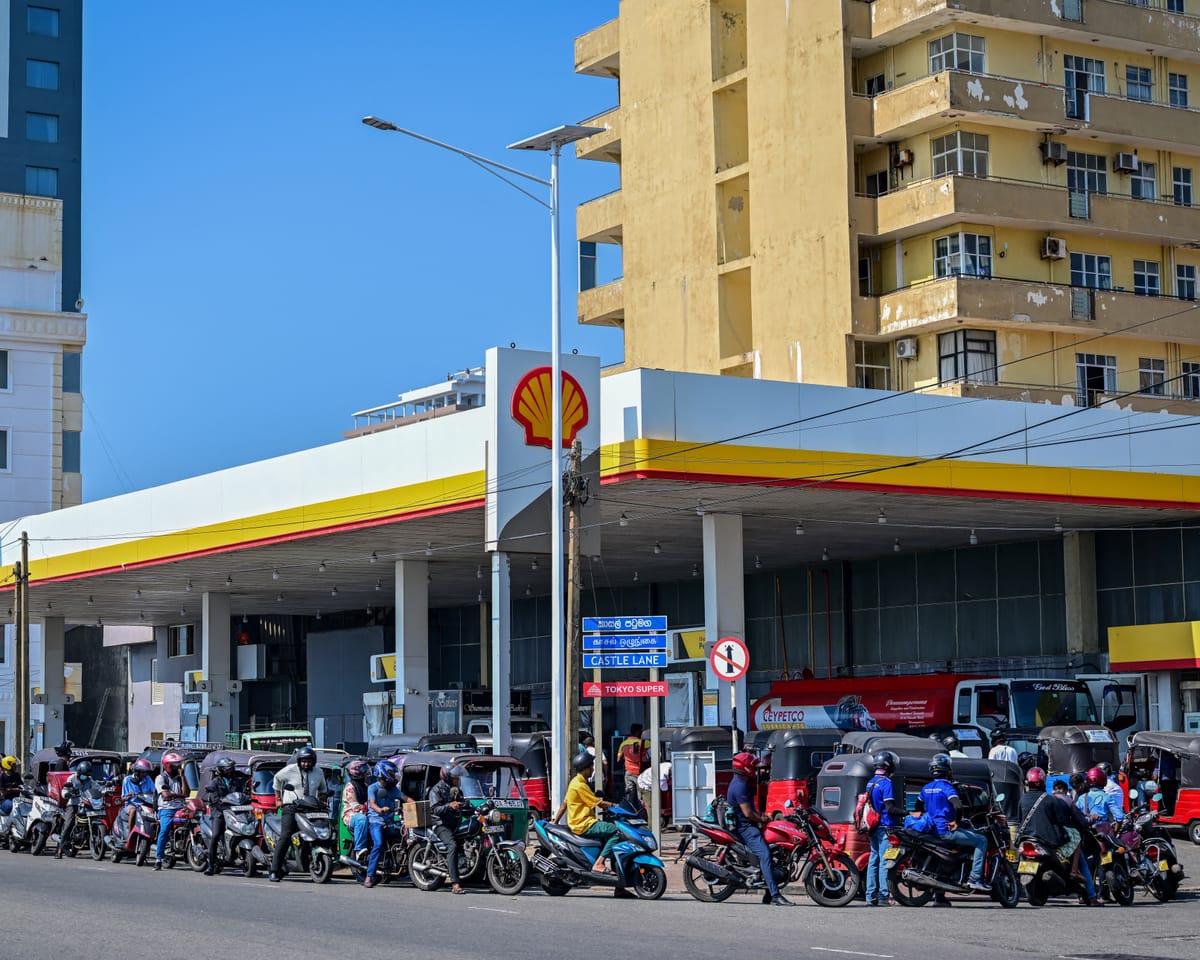
In a scene reminiscent of the island’s 2022 economic crisis, fuel rationing started on Sunday. Long queues formed at petrol stations, with motorists limited to 15 litres of petrol or diesel per week, while public transport received up to 200 litres.
Officials said the nation’s petrol and diesel reserves would last roughly six weeks but cautioned that any interruption to new supplies could severely impact the country. They emphasized that essential services—including hospitals, ports and emergency responders—will continue to function normally.
The government warned that a prolonged Middle‑East war and the inability to secure safe energy shipments through the Strait of Hormuz could seriously jeopardise its recovery from the 2022 economic downturn.
At an emergency meeting on Monday, Dissanayake reportedly told senior officials: “We must prepare for the worst, but hope for the best.”
In India, where 60 % of LPG imports come from Gulf states, long lines appeared nationwide for cooking‑gas cylinders, prompting many restaurants to close or remove slow‑cooking dishes from their menus.
Hotels cautioned that they may soon have to shut down, and a major steel plant announced it would be forced to cease operations.
Read next
Live Middle East crisis: Iran promises retaliation for security chief's death; Israel hints at imminent strike on Beirut
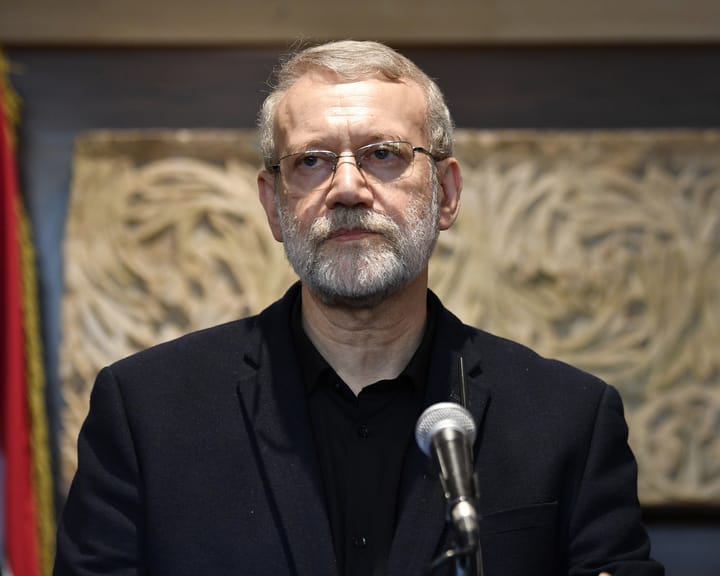
Iran’s armed forces pledged retaliation for the death of security chief Ali Larijani in an Israeli strike, with the army commander warning of a “decisive and regrettable” response.
Tehran also verified that Basij commander Gholamreza Soleimani was killed, after Israel had earlier asserted that its forces carried out the
‘Almost human’: life-size replicas of the dead aid broken hearts in India
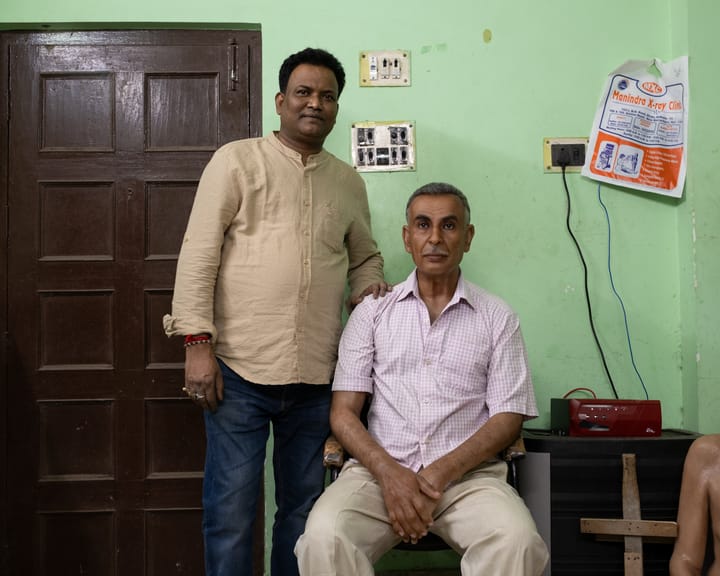
In northern Kolkata, close to Dum Dum Junction, Subimal Das and a team of about 80 operate out of an aging factory‑warehouse. With clay, fiberglass and silicone they produce life‑size copies of religious deities, cultural personalities, cricketers and film actors.
The workshop also offers a growing service: bespoke
Witnesses say “Everything and people were burning” after strike on Kabul drug rehab centre.
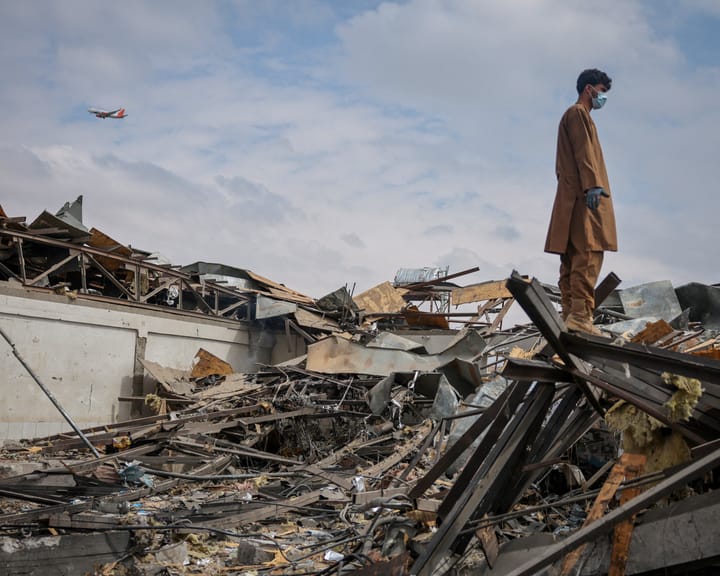
Eyewitnesses and survivors have recounted the dreadful aftermath of a Pakistani air strike that struck a drug‑rehabilitation centre in Kabul, leaving more than 400 people dead, many of whom burned in their beds or were crushed as the structure collapsed.
Afghan rescue teams continued to pull bodies from the