

Keir Starmer Strengthens No 10 Team Amid Economic Policy Overhaul
Keir Starmer has moved to assert greater influence over economic policy by appointing the chancellor’s deputy and a former Bank of England leader to key positions in his administration.
Ahead of what may prove to be a challenging few months for the government, two new roles have been introduced—Darren Jones will oversee day-to-day operations, while Minouche Shafik has been named the prime minister’s top economic advisor.
Sources in Downing Street suggest the changes reflect Starmer’s recognition that his office requires deeper economic expertise to counterbalance Treasury decision-making and avoid missteps on issues like winter energy support and benefit reductions.
As lawmakers returned to Westminster following a tumultuous summer—during which Reform UK dominated headlines and gained ground in opinion polls—Starmer aims to regain momentum on key matters, including economic policy and immigration.
The restructuring, which also affected the communications and policy teams, coincides with a renewed pledge to foster economic growth that benefits households directly, acknowledging the persistent struggles many face with rising costs.
The scale of the reshuffle underscores concerns that Starmer’s administration has found it difficult to steer the political narrative, instead reacting to external pressures, particularly the summer’s focus on migration and Reform UK’s proposed policies.
Short-term relief appears unlikely, with the return of parliament presenting the government with various challenges, including potential tax increases in the upcoming budget.
Starmer dismissed suggestions that the changes stemmed from a crisis, framing them instead as part of a natural shift in governance. “This is less a reshuffle and more a transition into a new phase, with some roles being entirely new,” he told the BBC.
Insiders confirmed that the adjustments aim to strengthen Starmer’s oversight of Whitehall, particularly the Treasury, transforming No 10 into a more centralized hub of decision-making.
“There have been instances where oversight and coordination fell short. This is about ensuring the prime minister has clear visibility,” one official said. “Darren’s experience with the spending review makes him ideally suited to bridge departments.”
Another senior figure noted, “These appointments aren’t about undermining the Treasury but ensuring alignment. The economic strategy must be cohesive, with Downing Street capable of scrutinizing decisions—like those on winter energy payments—where oversight was previously lacking.”
A government insider dismissed concerns that the changes could destabilize operations, insisting they were necessary for long-term effectiveness.
Read next
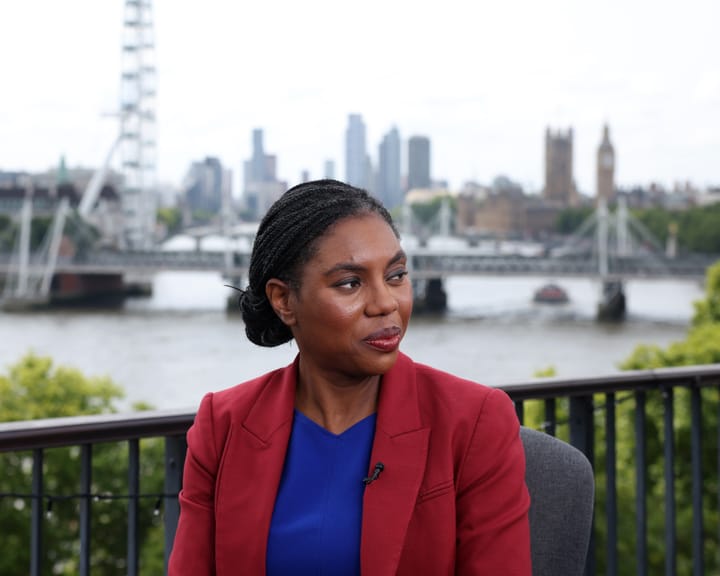
Badenoch returns to Conservative conference, markedly stronger than a year ago
A year ago, Tory MPs feared a fresh leadership revolt against Kemi Badenoch as Tories hit historic 14-16% support; November, after 12 months, was hushed: decisive challenge month. Yet, despite poor polls, “Keminisation” saw her impose style and authority.
More in Common’s Luke Tryl, director, said Badenoch holds

UK sanctions plan on illegal Israeli settlements faces criticism from US, Israel and British MPs
Today, with the agreement of Prime Minister Netanyahu, Israeli officials announced a series of countermeasures in response to new sanctions declared by the British foreign secretary of the Labour government, following a sequence of anti-Israel decisions by the same administration.
The accusations leveled today by the Labour foreign secretary,
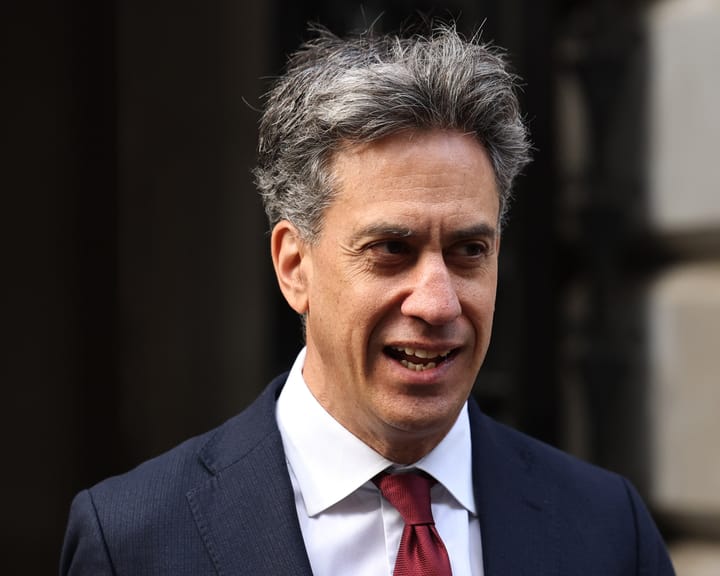
UK announces trade ban on Israeli settlements as tougher stance
Ed Miliband will announce a broad reset of the UK’s relations with Israel on Tuesday, pledging a more active stance in support of the Palestinian cause. In an intervention drawing fierce criticism from the US and Israel, the foreign secretary will impose a ban on trade in goods and