
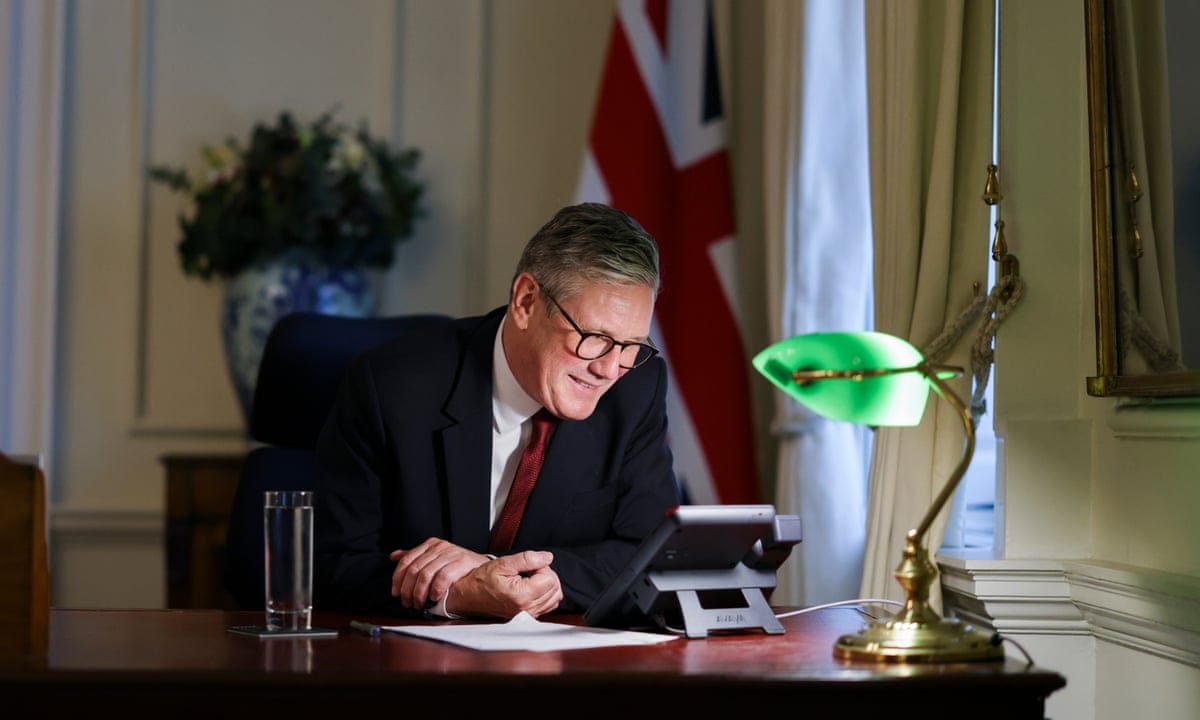
Keir Starmer embarks on a week-long journey to Washington DC for an international summit with Nato leaders. The purpose is to reinforce the UK's dedication to supporting Ukraine amidst uncertainties arising from upcoming US elections and potential shifts in the American administration's stance towards Ukraine.
As Starmer's first international trip since assuming office, his four-day visit comes at a critical juncture. He is expected to receive a warm welcome from fellow world leaders who may be grappling with their own political challenges: Joe Biden, facing an uncertain future; Emmanuel Macron of France and Olaf Scholz of Germany, both struggling with domestic unpopularity.
A highlighted montage video of Starmer's inaugural day showcases his interaction with Ukraine's leader Volodymyr Zelenskiy, emphasizing the UK government's steadfast support for Ukraine despite the change in political leadership.
To underscore this commitment, Labour's new defence secretary John Healey announces a fresh package of military aid to Ukraine during an impromptu visit to Ukraine's southern port city of Odesa on his second day as defence minister. The assistance includes high-quality ammunition, AS 90 artillery and Brimstone ground attack missiles.
The summit will feature bilateral meetings with Biden, Zelenskiy, and other Western leaders. It officially opens on Wednesday morning, followed by a dinner at the White House that evening, concluding with special Nato-Ukraine discussions on Thursday before closing press conferences take place.
Despite the significance of Starmer's first meeting as prime minister with Biden, speculation about the US president’s health and age may necessitate some careful planning. The White House has assured that a meeting between the two leaders will occur, without providing further details.
During his election campaign, Labour emphasized its commitment to national security, differing from Jeremy Corbyn's approach. Starmer stated readiness to deploy UK's Trident nuclear weapons if necessary. The party also highlighted its historical connection with Nato, initiated post-World War II at the urging of Ernest Bevin, Labour's first foreign secretary.
However, unlike the Conservatives' pledge to increase defence spending to 2.5% GDP by 2030, experts suggest that Starmer may not rush into such commitments immediately after his election campaign. He might prefer to assess the government’s finances before making any decisions.
While the UK is a significant Nato contributor and has committed £3bn annually for military aid in Ukraine, it lacks specific weapons systems that Kyiv desires. The country seeks seven more Patriot air defence systems, but the UK traditionally does not have these to offer. As such, Britain may rely on contributions from other countries like the US, Germany and Romania to assist Ukraine's needs.
The UK’s role in the current discussions about aiding Ukraine is limited due to its lack of specific equipment it can provide. However, Starmer's primary task during this summit may not be financial but rather ensuring long-term Nato integrity amidst potential shifts within the US administration under Trump.
Read next
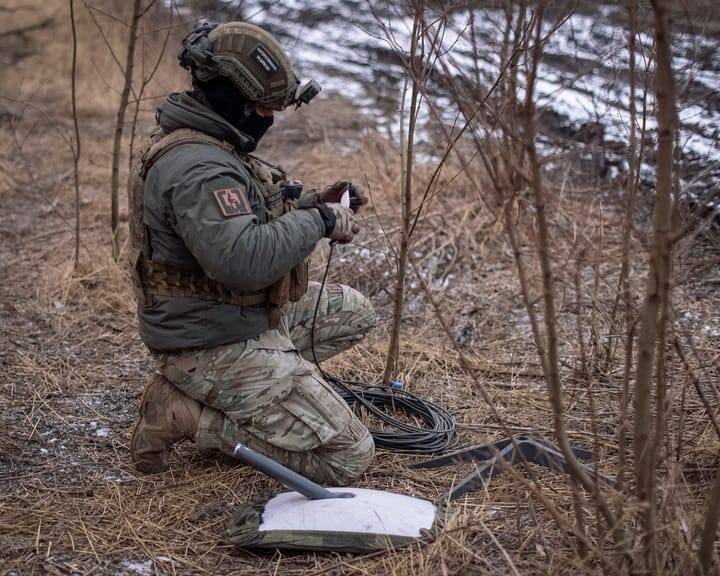
Ukrainian combat troops gain restricted access to Starlink satellite internet
Ukrainian soldiers experienced a sudden disruption in their access to Starlink satellite internet terminals amid increased pressure from the Trump administration for Ukraine to cease long-range attacks on Russia’s oil infrastructure. These terminals, managed by Elon Musk’s SpaceX, are vital for Ukraine's military operations. The

Russia's latest Ukraine attacks show 'disrespect' towards US, says Zelenskyy — Europe live
Sikorski Confronts Musk Over Starlink in Ukraine
Poland’s Foreign Minister Radosław Sikorski recently addressed Elon Musk on X, questioning reported restrictions on Starlink services in Ukraine. Poland contributes significantly to Ukraine’s funding of Starlink, which is crucial for maintaining internet connectivity in Kyiv and its military operations, with

"Breaking Stigma: Nikita Jager's Triumph in Civil Rape Case Against Conor McGregor"
Nikita Hand faced a challenging decision when considering a civil case against Conor McGregor following a 2018 assault. Despite her personal reservations about being an "imperfect victim" due to alcohol and drug use on the night of the incident, she chose to proceed. This decision stemmed from her