
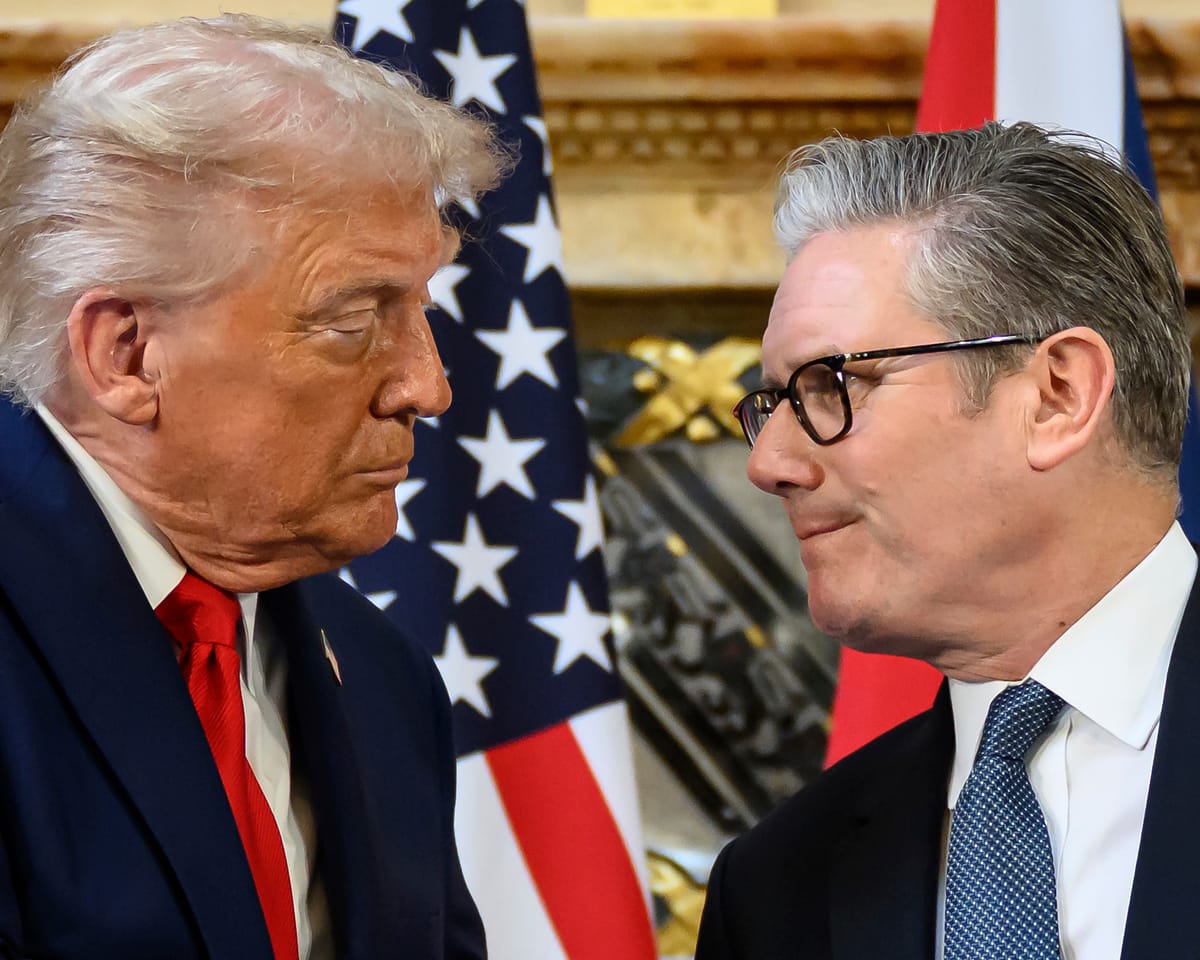
It may have been overly optimistic for No 10 to cast Keir Starmer as a “Donald Trump whisperer” able to convince the capricious American president to abandon imprudent choices.
The “special relationship” has come under sharp pressure lately because of Britain’s decision to relinquish control of the Chagos Islands and the refusal of European states to support Trump’s bid for Greenland.
When the issue turned to bombing Iran and targeting its leader, Starmer seems to have wielded little sway over Trump, who proceeded despite the UK’s denial of access to its bases.
The prime minister now occupies a diplomatically awkward spot: he will not endorse the strikes – which have been backed by Canada and Australia – yet he also refrains from denouncing them, as many colleagues now urge him to do.
At present the UK’s ambivalent line is that it had no role in the missile attacks, but it will not lament the ayatollah whose regime has “menaced” Western nations.
Maintaining that split stance is becoming ever harder. Defence secretary John Healey found it difficult to articulate a moral or legal view on Trump’s military move when pressed repeatedly on Sunday.
It appears Britain still judges that criticizing the US president is a risky step, even though Starmer was clearly not aligned with Trump’s actions, which the attorney‑general has warned breach international law.
Cultivating a rapport with Trump has been the prime minister’s tactic from the outset: Starmer’s staff were thrilled when they arranged a two‑hour inaugural meeting with him in New York eighteen months ago. An aide raised a fist when the then Republican candidate praised Starmer as “very nice” and “popular”.
From the courtesy of a state visit for Trump to the refusal to condemn the unlawful detention of Venezuela’s leader Nicolás Maduro, Starmer has signalled that even when he disagrees with Washington, he will not provoke Trump publicly.
The closest he has come to opposing the president was in defending British soldiers killed in Afghanistan after Trump remarked that NATO troops stayed “a little off the frontlines”. Yet repeatedly, before and since, he has avoided outright censure.
The current dilemma for Starmer is whether it serves the nation’s and the world’s interest for the UK to alter its course, draw nearer to Europe and begin confronting the US president more firmly – a shift long advocated by parts of his party and the progressive left.
A moment may also arrive when it suits Starmer’s own narrow political calculus to distance himself from Trump, as Green MP Zack Polanski has labelled the Iran strikes illegal and the Liberal Democrats have urged the prime minister to push back against Trump’s bullying tactics.
Read next
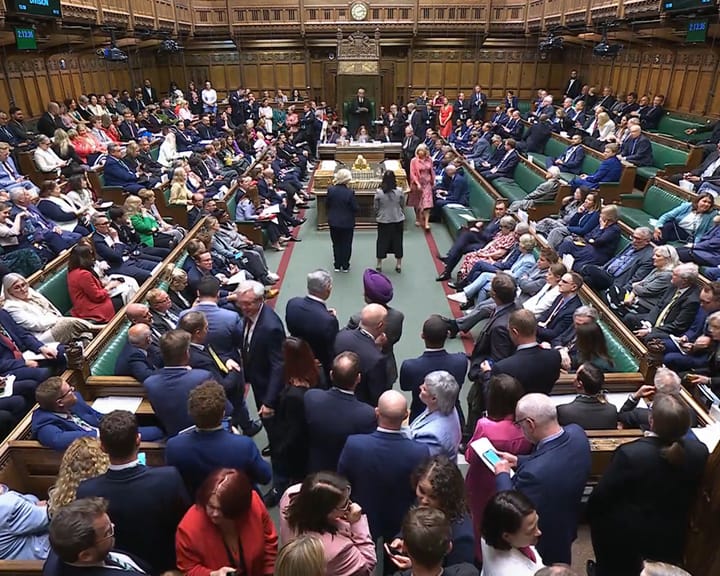
Watchdog reports MPs' base pay will reach £110,000 by the end of the parliamentary term.
The basic annual remuneration for MPs is set to climb to £110,000, the parliamentary expenses regulator has announced, citing a rise in abuse, intimidation and expanding constituency duties.
From April, MPs’ base pay will increase by nearly £5,000 to £98,599 – a 5 % rise – and is projected to
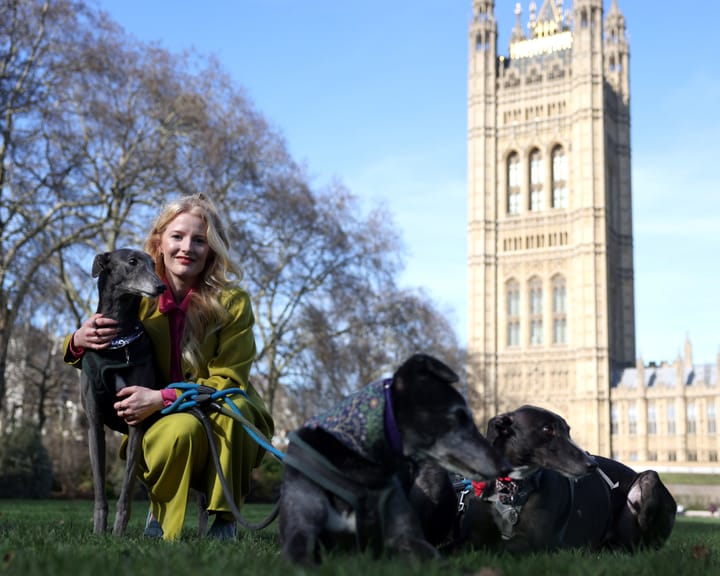
New Green MP says Farage, echoing his hero Trump, derided the by‑election results.
Nigel Farage was charged with a Trump‑like refusal to accept the result by the Green Party’s freshly elected MP for Gorton and Denton, after he asserted that her Reform opponent had led among voters born in Britain in the recent by‑election.
Hannah Spencer, a plumber and local
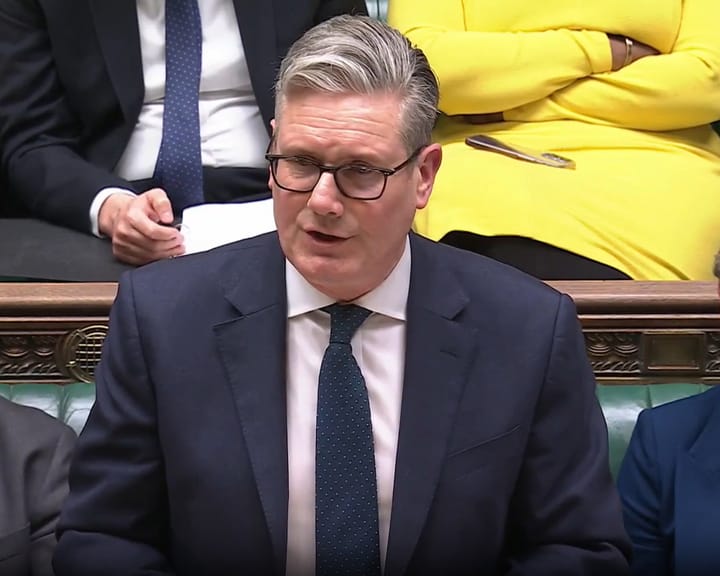
Starmer says Britain won’t support aerial “regime change” in Iran
Keir Starmer announced that Britain will not take part in the offensive raids planned by Israel and the United States against Iran, stating that the UK rejects any notion of “regime change from the skies”.
Nevertheless, the prime minister defended the employment of British bases for defensive missions, describing it