
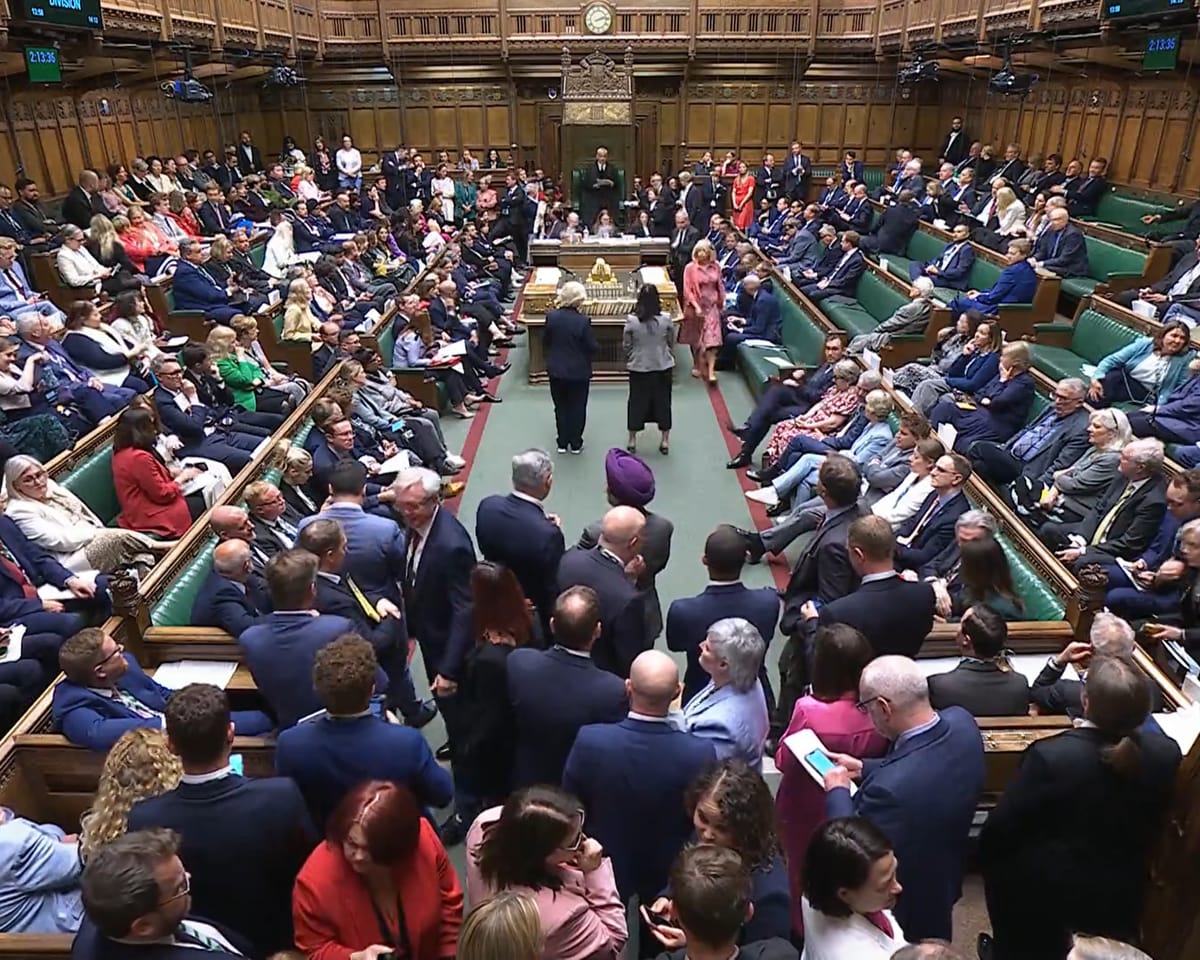
The basic annual remuneration for MPs is set to climb to £110,000, the parliamentary expenses regulator has announced, citing a rise in abuse, intimidation and expanding constituency duties.
From April, MPs’ base pay will increase by nearly £5,000 to £98,599 – a 5 % rise – and is projected to reach £110,000 by the close of the current parliament.
The Independent Parliamentary Standards Authority (Ipsa) said the figure had been compared with comparable positions in the public sector and with legislators in other democracies.
The authority granted an uplift that outpaces inflation – a 3.5 % rise for living costs plus an additional 1.5 % “benchmarking adjustment”.
“The MP role has changed,” said Ipsa chair Richard Lloyd. “Members now handle more complex casework than ever, driven by economic strain and both global and domestic events. Abuse and intimidation of MPs and their staff are also increasing, raising safety concerns.”
MPs do not set their own pay; Ipsa has determined salaries since the 2009 expenses scandal. The Taxpayers’ Alliance warned the increase would contrast sharply with pay trends in the private sector.
“Taxpayers will be angry to see politicians receive a pay rise that outstrips inflation while many face personal financial pressure,” the group said. “Politicians should not be shielded from the impact of their decisions. Their remuneration ought to reflect real living standards measured by GDP per capita.”
By the end of the parliamentary term, MPs’ earnings will cross the £100,000 mark for the first time – a tax bracket that has drawn scrutiny because it eliminates the personal allowance as well as tax‑free childcare and free childcare hours.
In the “£100k tax trap”, individuals whose income rises to between £100,000 and £125,140 can end up worse off, especially if they have children and lose childcare benefits – a situation now likely to affect several MPs with young families.
Ipsa said it will, in future years, “take prevailing economic and fiscal conditions into account when confirming annual pay decisions for MPs, considering the experience of people outside parliament”.
A recent survey for a speakers’ conference on MP abuse found that 96 % of MPs and 69 % of their staff reported experiencing at least one form of abuse in their roles.
Around one‑third of the MPs surveyed said they had thought about not standing for re‑election, and one‑sixth had contemplated resigning from public office because of the abuse they faced.
Read next
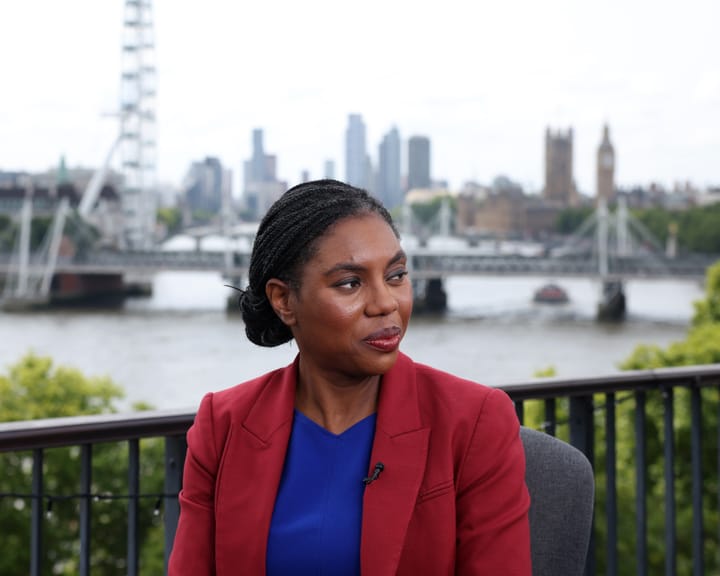
Badenoch returns to Conservative conference, markedly stronger than a year ago
A year ago, Tory MPs feared a fresh leadership revolt against Kemi Badenoch as Tories hit historic 14-16% support; November, after 12 months, was hushed: decisive challenge month. Yet, despite poor polls, “Keminisation” saw her impose style and authority.
More in Common’s Luke Tryl, director, said Badenoch holds
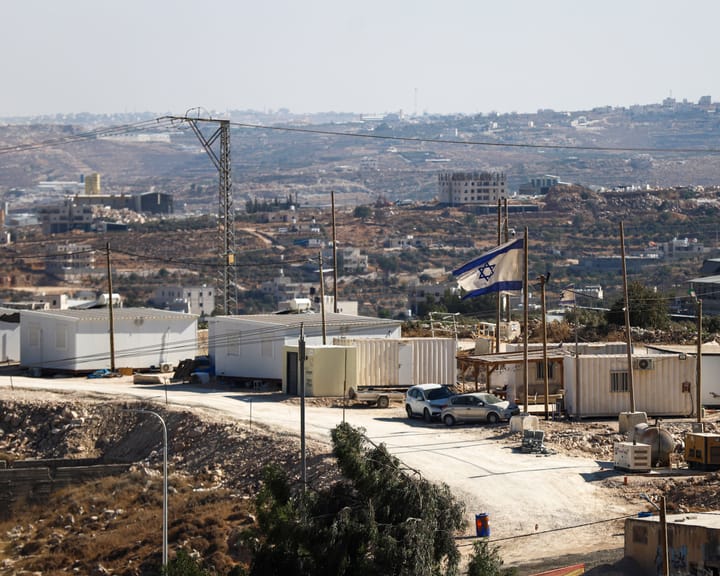
UK sanctions plan on illegal Israeli settlements faces criticism from US, Israel and British MPs
Today, with the agreement of Prime Minister Netanyahu, Israeli officials announced a series of countermeasures in response to new sanctions declared by the British foreign secretary of the Labour government, following a sequence of anti-Israel decisions by the same administration.
The accusations leveled today by the Labour foreign secretary,
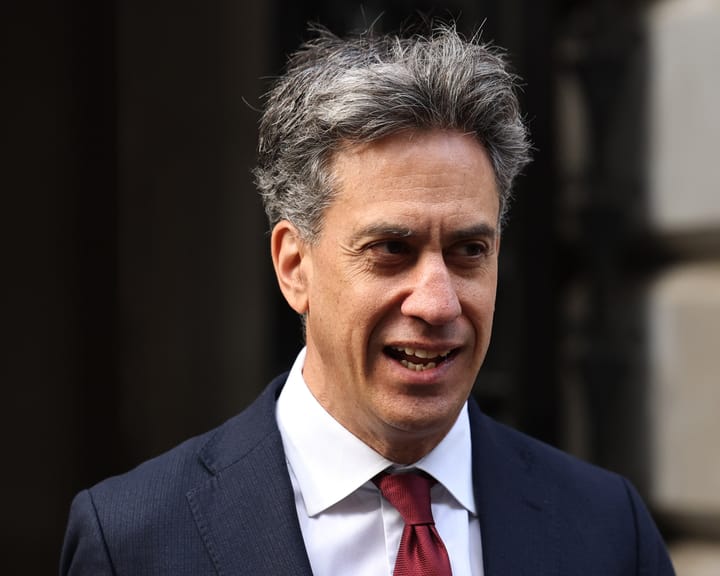
UK announces trade ban on Israeli settlements as tougher stance
Ed Miliband will announce a broad reset of the UK’s relations with Israel on Tuesday, pledging a more active stance in support of the Palestinian cause. In an intervention drawing fierce criticism from the US and Israel, the foreign secretary will impose a ban on trade in goods and