
News organizations have been alerted to the significant risk to their online audiences as AI-generated summaries replace traditional search results, with a new study showing up to an 80% decline in user clicks.
Google’s AI Overviews, which display summarized answers at the top of search pages, have become a major concern for media companies. Many see this feature as a direct threat to outlets that depend on search traffic for visibility.
By providing instant answers, AI summaries reduce the need for users to visit original sources, while pushing traditional search links lower on the page. This makes it harder for websites to attract visitors.
An analysis by Authoritas found that a website previously ranked first in search results could lose nearly 79% of its traffic for a given query if its link appears below an AI overview. The study also noted that YouTube, owned by Google’s parent company Alphabet, appeared more prominently than in standard search results. These findings were included in a legal complaint to the UK’s competition regulator regarding Google’s AI Overviews.
Google dismissed the study, calling it "inaccurate and based on flawed assumptions," arguing that it relied on outdated data and unrepresentative search queries.
"People are increasingly using AI-powered tools, which allow them to explore more questions and discover new content," a Google spokesperson said. "We still direct billions of clicks to websites daily and have not observed the drastic traffic declines being suggested."
A separate study by the Pew Research Center, examining nearly 69,000 Google searches over a month, found that users clicked links below AI summaries just once in every 100 searches. Google also rejected these findings, claiming the methodology was flawed and the search queries unrepresentative.
News executives say Google has not provided sufficient data to assess the full impact of AI summaries. While these summaries currently appear in only a portion of searches, some UK publishers report noticeable declines in search traffic.
Carly Steven, an executive at MailOnline, stated in May that the site saw drops of 56.1% in desktop clickthrough rates and 48.2% on mobile when search results included AI summaries.
The complaint to the UK’s Competition and Markets Authority was jointly filed by the advocacy group Foxglove, the Independent Publishers Alliance, and the Movement for an Open Web.
Owen Meredith, head of the News Media Association, accused Google of keeping users confined within its own ecosystem.
Read next

US officers worry Meta smart glasses could covertly record them
In January, the NYPD’s counterterrorism unit warned officers about a new security threat: Ray-Ban Meta glasses. A memo directed officers to “conduct thorough inspections of all eyewear permitted within inmate cells,” cautioning that recently arrested individuals could use the devices’ small cameras and microphones to record inside police
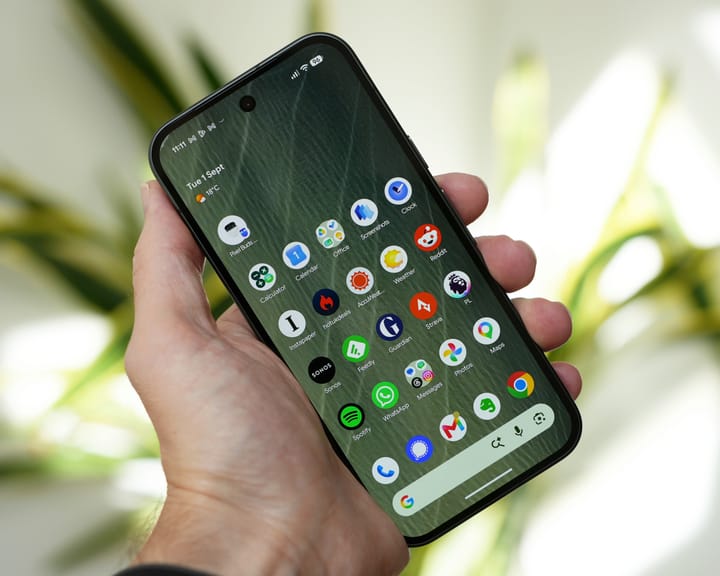
Google's Pixel 11 sets new standard for flagship phones, review finds
Google’s Pixel 11 continues to define what a base flagship phone should deliver, with leading cameras, extended software support and nearly all the features of its pricier siblings.
The standard Pixel 11 is priced at £879 (€999/$899/A$1,499), £80 higher than its previous version, reflecting ongoing

AI Expert Father of Three Shares Essential Insights for Parents on Artificial Intelligence
A father once promised his child they would write a story together called "The Day Nobody Went to Disneyland." The plot imagined a perfect day when the entire world avoided the park, expecting crowds, leaving it completely empty for a father and child to enjoy alone. Three decades