
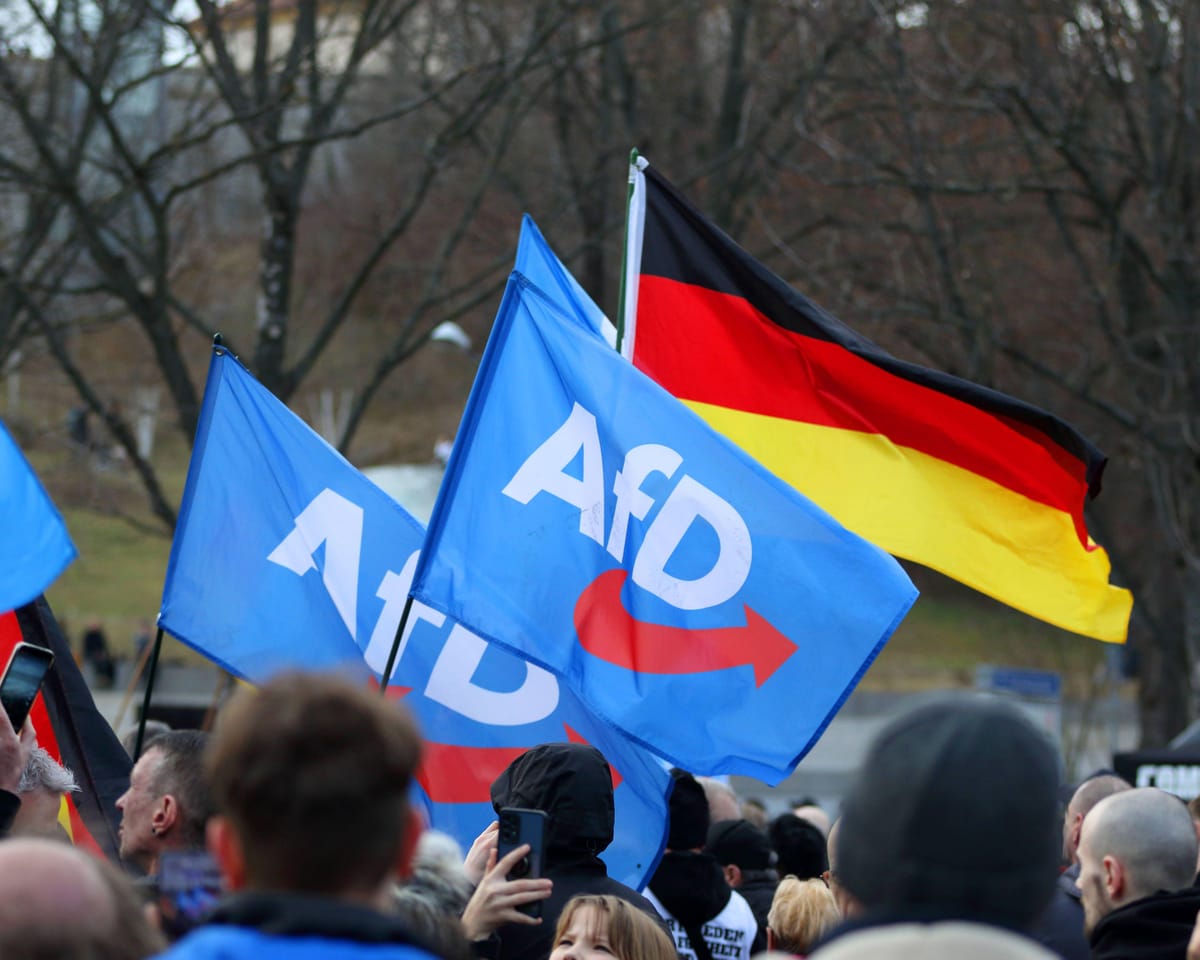
Political parties traditionally seen as moderate are increasingly letting far-right groups dictate public discourse, according to research conducted in Germany. The study suggests that this trend has inadvertently amplified far-right ideologies by normalizing and spreading their messaging.
Published in the *European Journal of Political Research*, the analysis examined 520,408 articles from six German newspapers over more than 20 years. Researchers observed that as far-right groups shifted their focus in the late 1990s from marginal topics to issues like integration and migration, mainstream parties adjusted their own rhetoric in response—contributing to the wider circulation of these ideas and reinforcing their legitimacy among voters.
Teresa Völker, a political sociologist at the Berlin Social Science Center and co-author of the study, stated that these findings raise serious concerns for democracy. "The way mainstream parties communicate has a direct influence on the electoral success of far-right movements," she said. "This aspect has often been overlooked."
Even when criticizing the far right, mainstream political actors inadvertently lend them visibility, Völker explained. "In an era of intense competition for public attention, simply engaging with these ideas keeps them relevant. Whoever controls the narrative shapes what voters prioritize and how they vote."
While the research centered on Germany, Daniel Saldivia Gonzatti, another co-author and political sociologist at the same institution, noted that similar dynamics likely exist elsewhere in Europe. "In both German and British media, for example, when the far right introduces a contentious topic, it dominates discussion for days," he said. "Even if the response is critical, repetition ensures the issue stays in focus."
Some political leaders have gone beyond mere reaction, adopting harder rhetoric that mirrors far-right positions. In 2023, then-German chancellor Olaf Scholz of the Social Democratic Party (SPD) advocated for deporting individuals without legal residency "on a large scale" and called for speeding up such measures nationwide.
Comparable trends have emerged elsewhere in Europe, with politicians in countries like the UK and France increasingly echoing far-right language—particularly on migration—reinforcing a political climate that would have seemed unlikely years ago.
Saldivia Gonzatti emphasized the core issue: the question of who controls the agenda. "When moderate parties engage with cultural issues like migration and integration on terms set by the far right, they cede influence over the debate," he said.
In some cases, mainstream groups have gone further, adopting the far right’s policies directly—despite evidence suggesting these strategies may backfire.
Read next
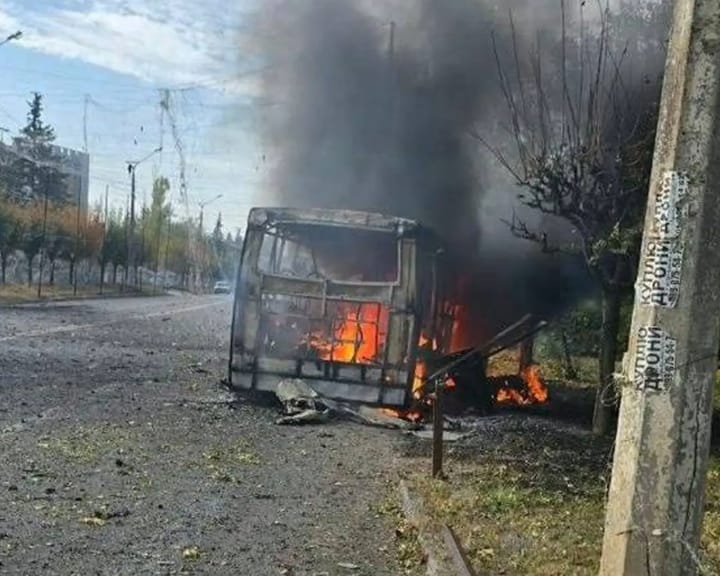
Russian Assault on Buses Near Ukraine Border Results in 30 Deaths
Thirty people have been killed and eighteen injured following an attack by Russia on two passenger buses in Kramatorsk, near the frontline in eastern Ukraine, according to local authorities.
The Donetsk regional prosecutor's office reported that the death toll from the morning attack on the buses had reached

Ethiopia Conducts Drone Strike on Eritrean Forces in Tigray Region
Eritrean forces reportedly crossed into Ethiopia's Tigray region and faced drone attacks from Ethiopian government forces, raising concerns about the potential for a broader regional conflict between the two neighboring countries.
Military vehicles transporting soldiers crossed the southern border of Eritrea into Tigray on Wednesday, reaching Adigrat, approximately

Israel Advances Film Resembling NAZA Documentary
The Israeli government is promoting an online film project designed to counter the findings of the award-winning documentary NAZA, which details Israel’s mass killings of civilians in Gaza. NAZA, directed by Oscar-winning filmmakers Yuval Abraham and Rachel Szor, is currently in cinemas and will be shown in