
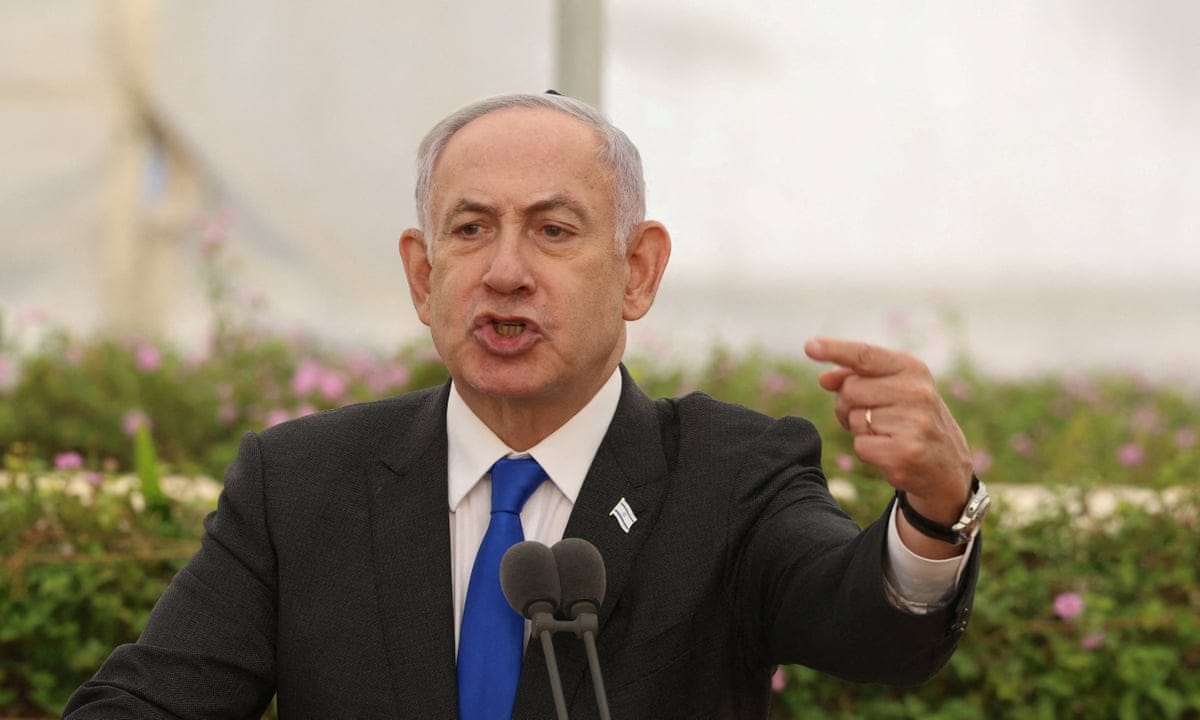
Hopes for a ceasefire in Gaza and de-escalation on the border between Israel and Lebanon surfaced on Friday, following the dispatch of Israel's intelligence chief by Prime Minister Benjamin Netanyahu to Qatar with an objective to resume negotiations that had previously stalled.
Israel's intelligence head was sent on a diplomatic mission from the country's prime minister in light of recent developments between Hamas and its Lebanese ally, Hezbollah. Reports suggested that Hamas might accept an offer for a ceasefire proposal presented by Hezbollah.
The Lebanese group further stated on Thursday that it would halt rockets fired into Israel if a Gaza ceasefire agreement was reached; this echoed earlier declarations made by the same faction. The representative of the group disclosed to Reuters: “If there is an accord in Gaza, from the moment it goes into effect, we will suspend firing in Lebanon.”
Efforts to negotiate a ceasefire in Gaza and free hostages held for nearly nine months gained momentum this week following Hamas' proposition of revised terms. The Israeli authorities expressed readiness to resume dialogues that had previously stalled, while the United States voiced optimism regarding recent discussions between Israel and Hamas, referring to it as a 'breakthrough'.
The head of Mossad, David Barnea, travelled alone from Tel Aviv on Friday for talks in Doha with Qatar's Prime Minister. The purpose was reportedly to explore proposals offered by Hamas about ending the nine-month conflict. However, there are no indications that a comprehensive peace agreement is imminent or has been reached.
The main challenge previously faced during negotiations lay in differing views on transitioning from an initial phase of a potential ceasefire to its second one. The first stage involved the release by Hamas of elderly, sick and female prisoners over six weeks; Israel's withdrawal from certain Gaza areas within this period, coupled with releasing Palestinian detainees held for years.
The progression from phase one to two was scheduled for discussion during the first ceasefire stage, with a commitment to sustain it as long-term peace talks continued. However, Hamas had previously sought stronger guarantees concerning this transition within the negotiations.
Despite Prime Minister Netanyahu's public skepticism about reaching an agreement and his vow of 'completing the destruction' of the organization he accused of launching a surprise attack on southern Israel in October, there have been discussions between US President Biden and Israeli PM regarding Hamas' new proposal.
An impending ceasefire could also serve as a basis for easing tensions along the border with Lebanon. The meeting at Hezbollah leader Sayyed Hassan Nasrallah’s office was reportedly attended by Khalil al-Hayya, a Hamas deputy leader.
Meanwhile, Israeli mothers of their children held hostages rallied in Tel Aviv's Habima Square, urging their prime minister to sign the deal on offer. It is crucial that any agreement reached should consider human rights and be implemented effectively for it to have a lasting positive impact.
However, there remain some internal challenges within Israel regarding the negotiations due to political disagreements. The national security minister of Israel has cautioned Prime Minister Netanyahu about potential coalition consequences if he decides to act alone in these negotiations.
Read next
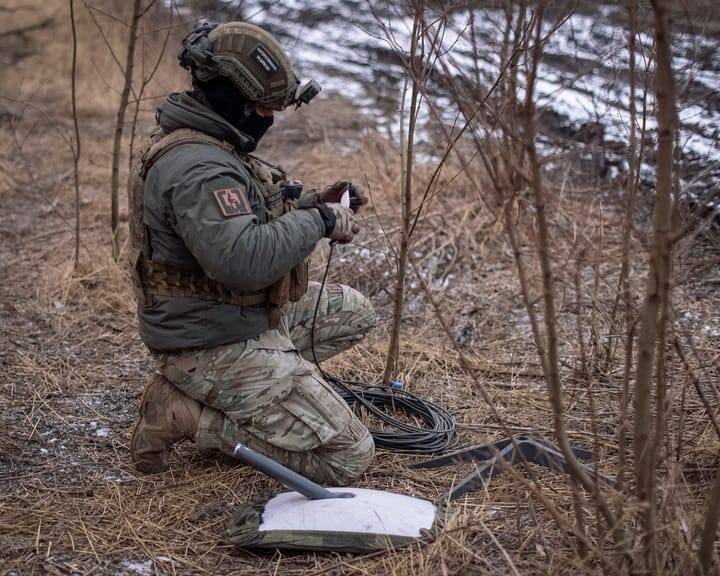
Ukrainian combat troops gain restricted access to Starlink satellite internet
Ukrainian soldiers experienced a sudden disruption in their access to Starlink satellite internet terminals amid increased pressure from the Trump administration for Ukraine to cease long-range attacks on Russia’s oil infrastructure. These terminals, managed by Elon Musk’s SpaceX, are vital for Ukraine's military operations. The
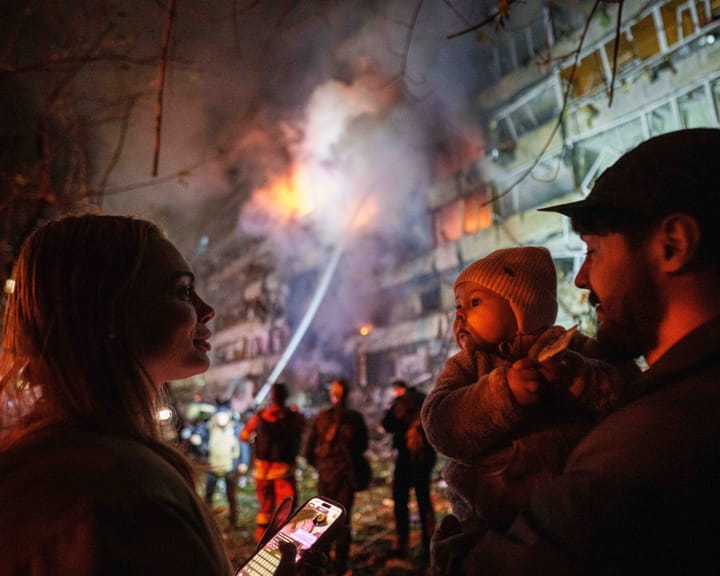
Russia's latest Ukraine attacks show 'disrespect' towards US, says Zelenskyy — Europe live
Sikorski Confronts Musk Over Starlink in Ukraine
Poland’s Foreign Minister Radosław Sikorski recently addressed Elon Musk on X, questioning reported restrictions on Starlink services in Ukraine. Poland contributes significantly to Ukraine’s funding of Starlink, which is crucial for maintaining internet connectivity in Kyiv and its military operations, with

"Breaking Stigma: Nikita Jager's Triumph in Civil Rape Case Against Conor McGregor"
Nikita Hand faced a challenging decision when considering a civil case against Conor McGregor following a 2018 assault. Despite her personal reservations about being an "imperfect victim" due to alcohol and drug use on the night of the incident, she chose to proceed. This decision stemmed from her