

There is a well-known pattern that tracks the initial excitement and frenzy around new technology, followed by a sharp decline when it fails to meet expectations.
This concept, first introduced in 1995 during the dotcom era, now applies to artificial intelligence. Currently, we are at the high point of overblown expectations before the inevitable drop into disappointment. Some argue the decline has already begun, as businesses struggle to turn their investments into tangible benefits.
Many individuals—creators, workers, and ordinary people—would welcome this downturn, welcoming the loss of blind faith in the technology. The only ones hurt would be those who poured vast sums into AI and stand to lose when the hype fades.
As someone who writes and works in technology, I’ve witnessed how people often believe in things they don’t fully grasp—sometimes precisely because they don’t understand them. Once, a former employer spoke of my work with misplaced reverence, simply because it involved "IA," or information architecture, which has no connection to AI beyond sharing two letters.
There’s something almost poetic about how hopeful people cling to the idea of miraculous innovations saving the world. Yet this optimism is exactly what the industry relies on. The hype is fueled not only by enthusiasm but also by fears of an all-powerful, dystopian force straight out of fiction. If hype thrives on our hopes and our anxieties, how do we resist?
One idea is collective indifference—like ignoring a disruptive student in hopes they’ll stop. But comparing tech leaders to class clowns falls short; they’re neither harmless nor amusing. The question remains: Can we really just disregard them?
The tech sector operates on speculation. Profit doesn’t come from functional products or market success but from making people believe. Or, to borrow industry jargon, it’s about convincing investors that a future is inevitable if they invest enough—regardless of whether the product delivers. Once we buy into their vision, they profit.
Resisting major tech influence is challenging, but one straightforward method remains: ignore their narratives about your life.
As someone who writes fiction, I find the idea of crafting belief fascinating—but that’s another story.
Read next
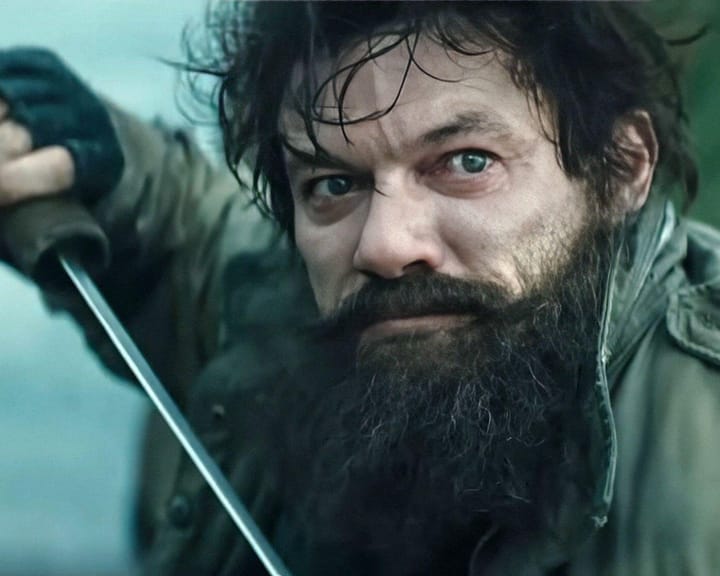
Worldbreaker review – Luke Evans delivers a warm, bear‑hug performance in a thin sci‑fi survival drama
It may be coincidence, but many recent action films now centre on adult men and their daughters—or female stand‑ins—fighting to survive. The men are portrayed as both hardened combatants and protective fathers who train their girls to fight as fiercely as any man, preparing them for a

Tim Booth admits he made love to Brian Eno’s music by age 18: his candid playlist
The first song I fell in love with
My older sister, Penny, introduced me to Leonard Cohen’s “So Long, Marianne” when I was eight, as if to mark a rite of passage: “Now you’ve heard a true poet.” The track felt like contraband, starkly different from the pop

"20 photos capturing the world this week"
Ceasefire Agreement, Russian Attacks on Kyiv, Demonstrations in Madagascar, and Paris Fashion Highlights: A Week in Photos by Prominent Journalists
The past week has featured a mix of significant global events, documented through the lenses of accomplished photographers. A tentative ceasefire agreement sparked cautious optimism in one conflict zone, while