
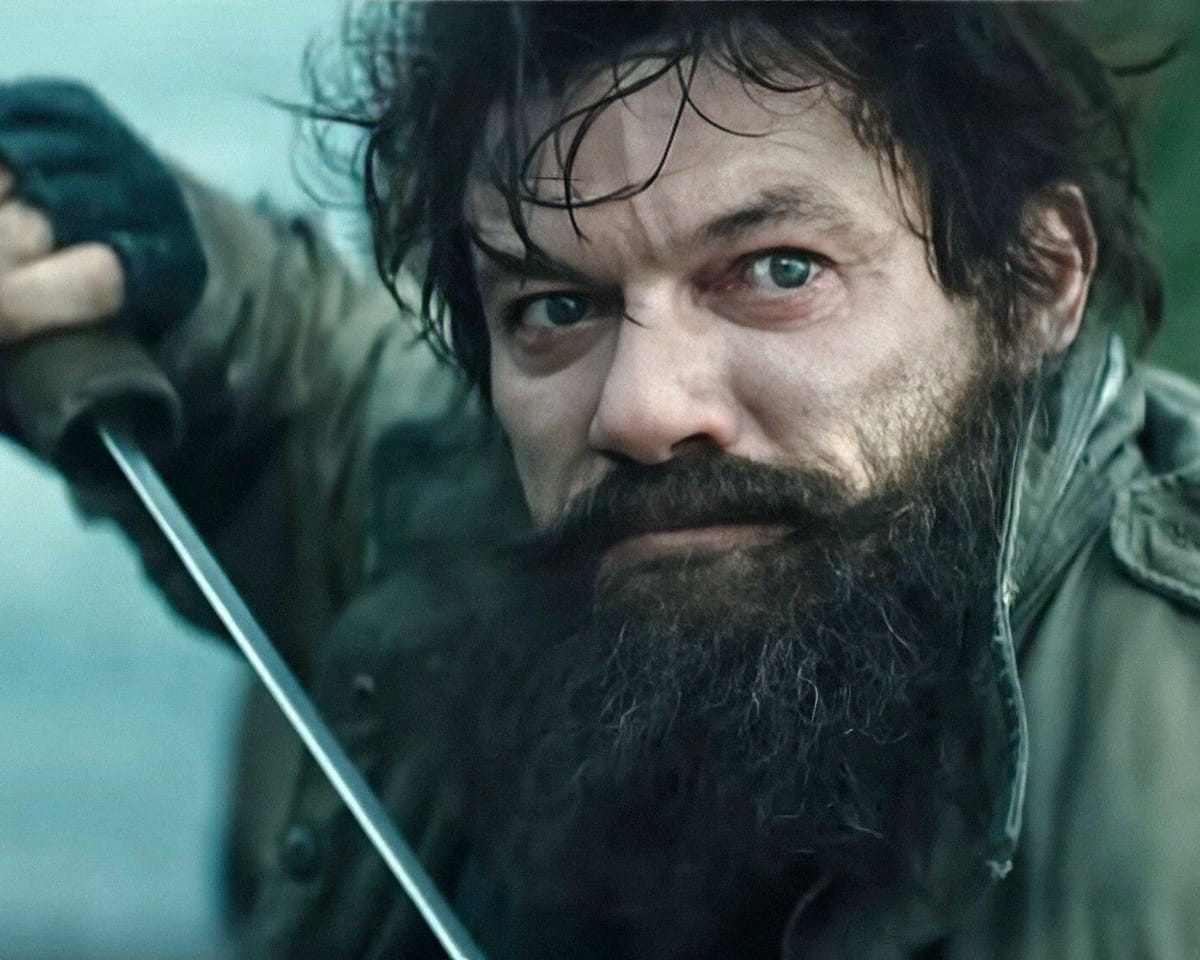
It may be coincidence, but many recent action films now centre on adult men and their daughters—or female stand‑ins—fighting to survive. The men are portrayed as both hardened combatants and protective fathers who train their girls to fight as fiercely as any man, preparing them for a world they may not themselves inhabit. The trend can be seen in titles such as The Last of Us and Stranger Things, as well as in the Jason Statham vehicle Shelter, the forthcoming One Mile: Chapter One, and the newly released Worldbreaker.
Set in a science‑fiction landscape where creatures known as breakers emerge from contaminated soil and can transform humans into hybrid monsters, Worldbreaker echoes The Last of Us while adding its own peculiar twists. Milla Jovovich appears in a supporting capacity as the female commander of the human resistance, leading a quasi‑matriarchal community (the Y chromosome appears to increase susceptibility to infection). Though Jovovich’s acting range is limited, she remains effective in physical confrontations, as demonstrated in the Resident Evil series.
In the film, Jovovich’s character is largely occupied with the broader conflict, leaving her husband—played by Luke Evans and referred to only as “dad”—to care for their teenage daughter Willa (Billie Boullet). Father and daughter flee to an uninhabited island, where scarcity of food—exacerbated by climate change and natural disasters—forces them to survive on limited rations. To keep Willa prepared for the inevitable climax, Evans has her navigate a makeshift obstacle course, reminiscent of the training scenes in Stranger Things. The portrayal suggests a future archetype of the demanding, coach‑like father who obsessively monitors performance, yet in this case his own survival hinges on Willa’s ability to defeat breakers and hybrids.
The film’s commentary on contemporary masculinity proves more compelling than the narrative itself, which feels heavily borrowed from video‑game conventions, featuring thinly developed side missions and excessive world‑building that drain momentum from the central plot. Numerous anecdotes are relayed by the father, including references to a figure called Kodiak—potentially a hero, a bear, or both—whose relevance remains unclear. Evans does bring a rugged charisma and a genuine paternal rapport with Boullet, whose performance blends fragile vulnerability with a wiry physicality that marks her as a talent to watch.
Read next
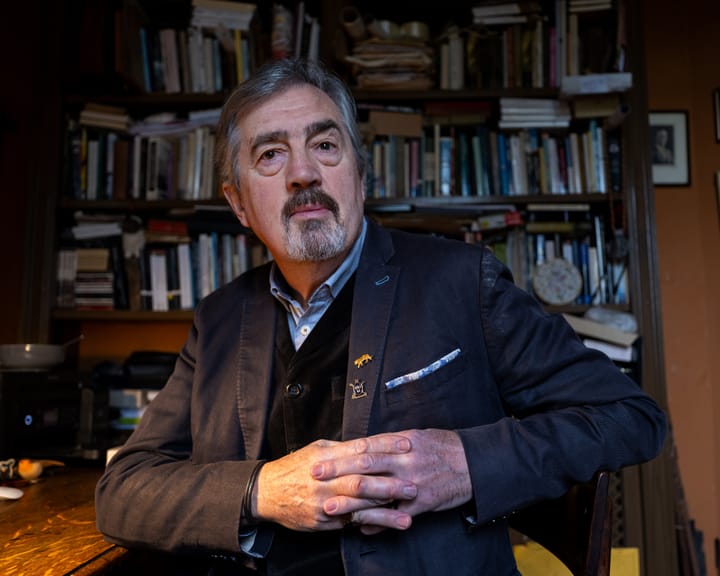
Sebastian Barry's The Newer World: a near-miracle of storytelling review
Sebastian Barry’s latest novel, *The Newer World*, gives voice to Tennyson Bouguereau, a formerly enslaved man navigating post-Civil War America. Through Tennyson’s recollections, the narrative revives the perennial question: is history better served by novelists or historians? Historians might demur, but as Barry illustrates, fiction can fill
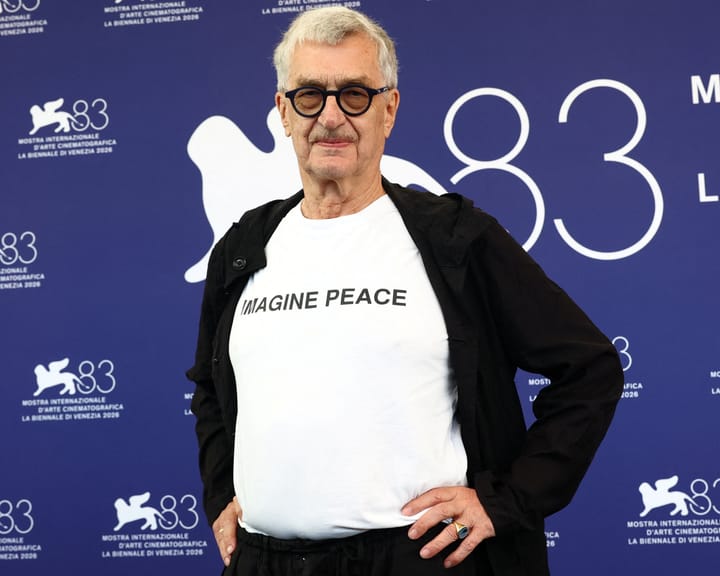
Wim Wenders says film-makers should not avoid political involvement
Filmmaker Wim Wenders has clarified his earlier comments on the relationship between cinema and politics. Speaking at the Venice film festival, he stated that he does not believe filmmakers should completely avoid political engagement.
Earlier in the year, while serving as jury president at the Berlin film festival, Wenders told
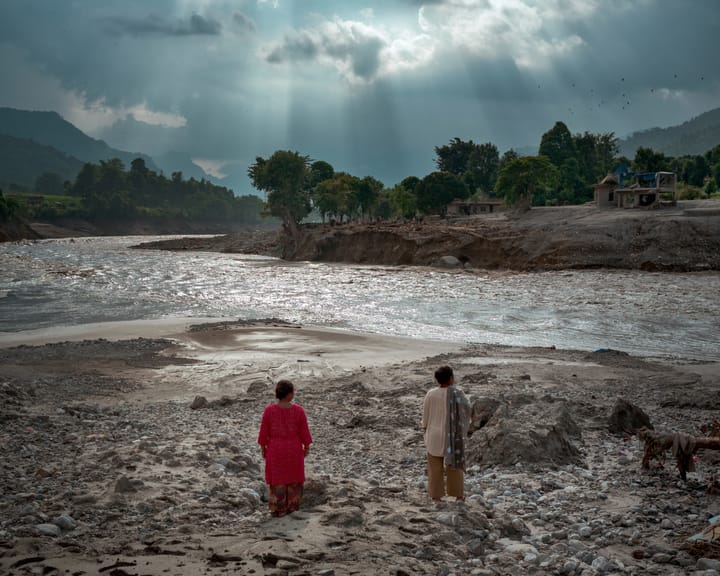
The week around the world in 20 images
The week witnessed a series of catastrophic events, including the devastating floods along the Nepal-Tibet border, Russian missile attacks on Kyiv, the rapid spread of the Plaskett Fire across California, and the vibrant celebration of the Notting Hill carnival. The following images, captured by top photojournalists, document these moments.