
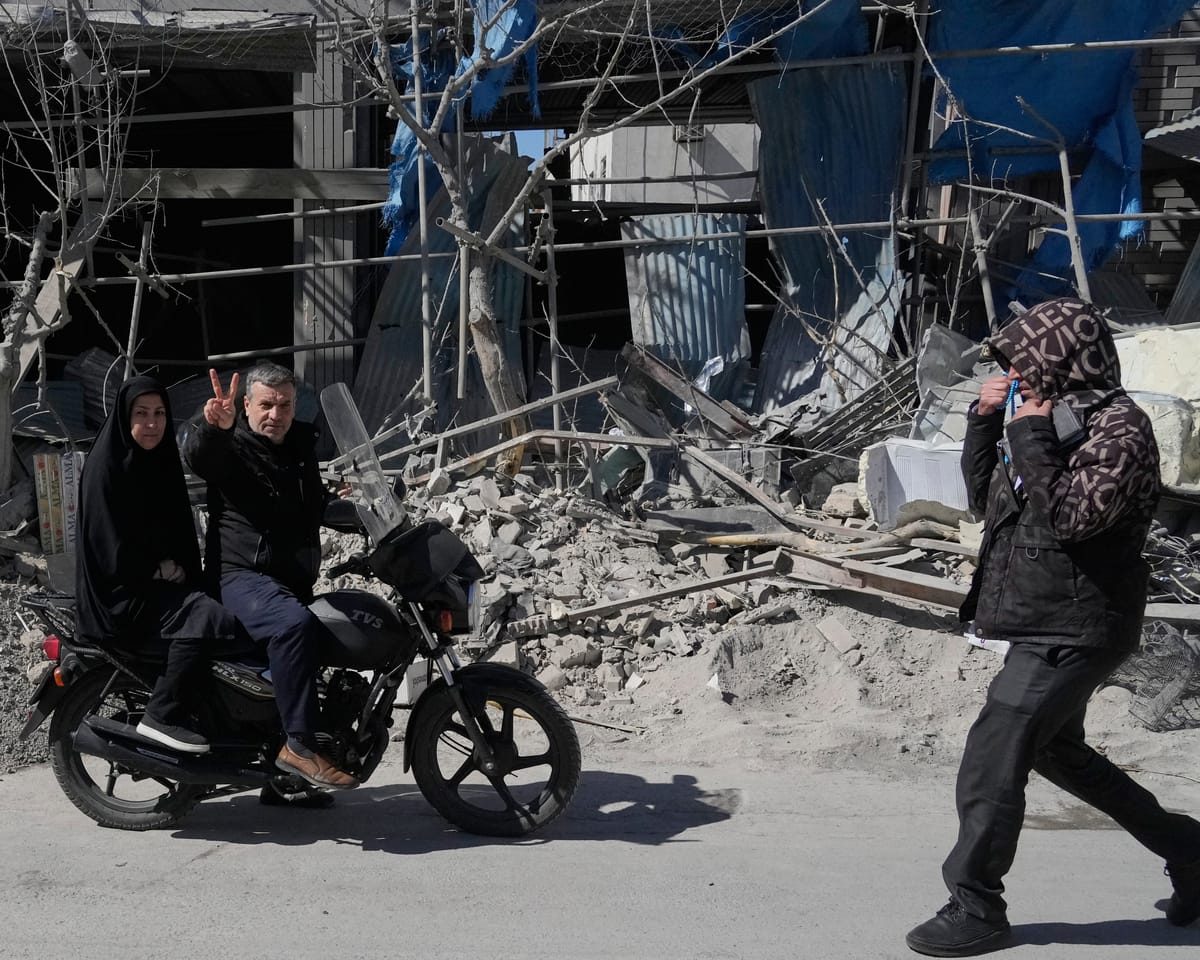
Fear, resistance and muted rejoicing blended into daily routines in Tehran, locals reported, as the city continued to endure strikes from U.S. and Israeli forces.
Inhabitants noted that many families had relocated to rural areas or were attempting to do so, convinced it offered greater safety from military targets.
Within Tehran, army and police bases were situated amid residential neighborhoods.
Rumors circulated that security personnel were occupying schools and mosques.
Reza, a carpenter who preferred to keep his full name private, told reporters by phone that essential services such as hospitals remained operational, while schools stayed shut.
He added that a larger presence of security troops and their vehicles could be seen on the streets.
“The atmosphere in Tehran is extremely strained, people are frightened, and everyone is trying to remain indoors,” Reza said.
“Citizens are seized by a deep dread of further strikes.”
During an internet shutdown, residents struggled to determine how much of the domestic media’s coverage of the attacks and Iran’s claimed successes against Israel and other states could be trusted.
Some observers expressed surprise at the apparent strength of Iran’s armed forces, which were striking multiple countries at once and sustaining a relentless barrage.
Tehran’s avenues were hushed, yet grocery stores and even eateries stayed open.
When attacks occurred, people hurried to the tops of their buildings to watch the impacts.
CuriosityNews spoke with residents among the few Tehranites who could reach the web through encrypted channels, and contacted others by landline.
AJ, a man in his thirties who requested only his initials for anonymity and one of the scarce internet users, recounted that on Monday, from the roof of his apartment block, he saw a missile streak overhead and strike a district where a close friend resides.
He observed that the assaults arrived in alarming waves, but the public was not as panicked as during last year’s twelve‑day assault by Israel and the United States, noting that civilian sites appeared to be targeted less this time—though he condemned the bombing of a girls’ school on the war’s first day.
“We worry about what lies ahead, yet the situation is beyond our control,” AJ said, adding that he kept to his normal routine, jogging each morning and even visiting a swimming pool and sauna on Tuesday.
“There is a glimmer of hope that conditions might improve from here.”
He explained that every Iranian received a text at the war’s outset warning that anyone who stepped outside to protest would be labeled an Israeli agent, so no one considered demonstrating.
He speculated that many were relieved by the death of Iran’s supreme leader, Ayatollah Ali Khamenei, at the conflict’s start.
Even if the regime endures, its successor, he argued, would lack the same level of authority.
Human‑rights organisations report that thousands of anti‑government demonstrators were killed by security forces earlier this year.
Read next

Sánchez reaffirms “No to war” stance after Trump threatens to halt trade with Spain
The Spanish prime minister, Pedro Sánchez, answered Donald Trump’s stark warning to halt all trade with Spain after his government declined to support the United States’ ongoing strikes against Iran, likening the escalating Middle‑East tension to a game of “Russian roulette with the fate of millions”.
Sánchez, a
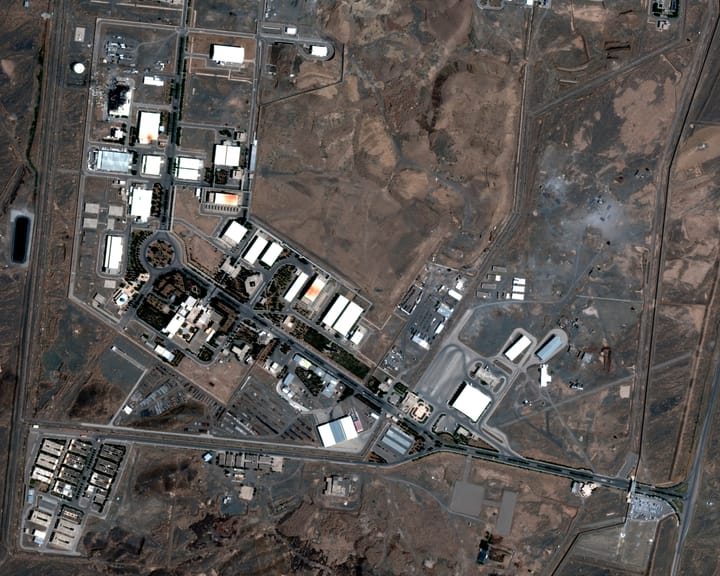
Experts warn that efforts to dismantle Iran’s nuclear program could backfire, nudging the regime toward a bomb.
The U.S.–Israeli offensive against Iran aims to settle a 24‑year dispute over Tehran’s nuclear effort, yet experts on proliferation caution it could backfire and push the regime toward a covert bomb.
Tehran has repeatedly asserted that its nuclear work is peaceful and that it has no
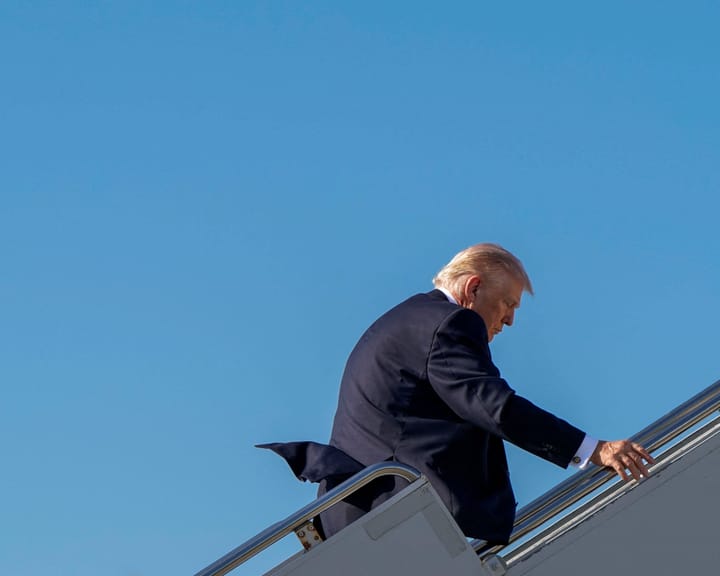
Trump administration still hasn't clarified its reasons for waging war on Iran
It required months for the false statements of the Bush administration concerning weapons of mass destruction in Iraq to surface, after an invasion, a regime change, a probe, and finally the revelation. By contrast, the Trump administration’s alerts about an imminent Iranian danger emerged within a single afternoon.
On