
Samsung Secures $16.5bn Deal to Produce AI Chips for Tesla
Samsung has finalized a $16.5bn agreement to manufacture artificial intelligence chips for Tesla, a development confirmed by Elon Musk on Monday.
The South Korean technology firm disclosed the deal with an undisclosed client in a regulatory filing, while Tesla’s CEO provided additional details on his social media account.
Musk stated that Samsung will produce Tesla’s next-generation A16 chips at a new facility in Texas.
“The strategic significance of this cannot be overstated,” he said.
Last December, the U.S. government allocated $4.75bn in funding for Samsung’s semiconductor operations in Texas under the Chips Act, legislation designed to strengthen domestic chip production. Gina Raimondo, who served as commerce secretary at the time, emphasized that the funding would secure a reliable supply of chips crucial for AI and national security.
Musk mentioned that Samsung had agreed to let Tesla support efforts to optimize production efficiency, adding that he would personally oversee the process to speed up progress.
He also noted that Samsung’s facility in Taylor, Texas, is “conveniently located near my residence.”
The agreement is expected to revitalize a project that had encountered setbacks due to Samsung’s challenges in securing major clients. Ryu Young-ho, an analyst at NH Investment & Securities in Seoul, said the Taylor plant previously had “virtually no customers,” making the deal “highly significant.”
Last October, reports indicated that Samsung had delayed receiving equipment from Dutch supplier ASML for the Texas site after failing to secure substantial orders. The facility’s launch has since been postponed to 2026.
Samsung currently produces Tesla’s AI4 chips, which power the company’s autonomous driving system. Taiwan’s TSMC is expected to manufacture Tesla’s AI5 chips, initially in Taiwan and later in Arizona, according to Musk.
Samsung’s regulatory filing did not name the client, citing confidentiality agreements surrounding the deal, which extends through the end of 2033.
Read next
US officers worry Meta smart glasses could covertly record them
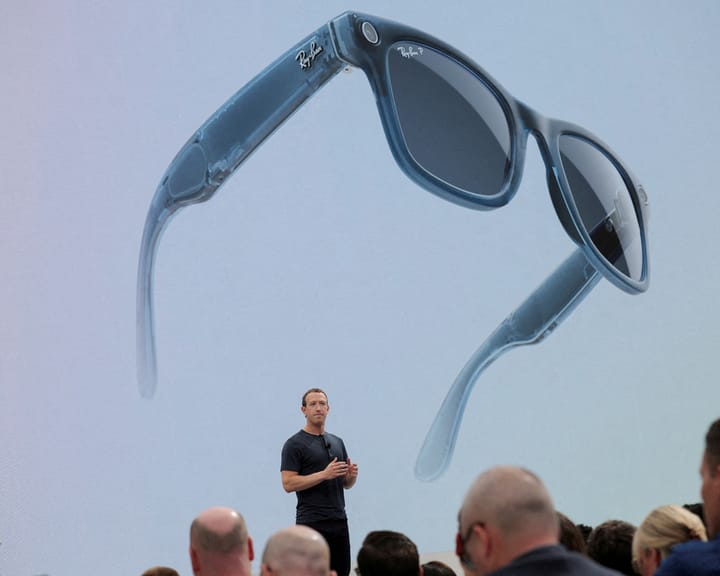
In January, the NYPD’s counterterrorism unit warned officers about a new security threat: Ray-Ban Meta glasses. A memo directed officers to “conduct thorough inspections of all eyewear permitted within inmate cells,” cautioning that recently arrested individuals could use the devices’ small cameras and microphones to record inside police
Google's Pixel 11 sets new standard for flagship phones, review finds
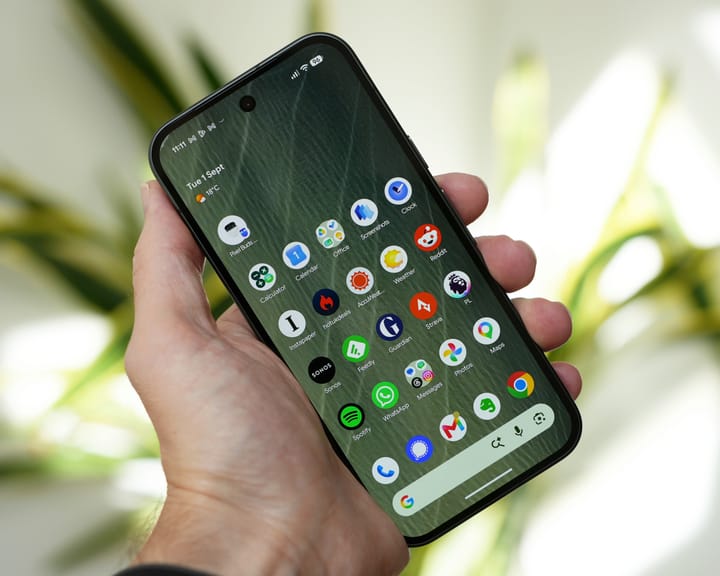
Google’s Pixel 11 continues to define what a base flagship phone should deliver, with leading cameras, extended software support and nearly all the features of its pricier siblings.
The standard Pixel 11 is priced at £879 (€999/$899/A$1,499), £80 higher than its previous version, reflecting ongoing

AI Expert Father of Three Shares Essential Insights for Parents on Artificial Intelligence
A father once promised his child they would write a story together called "The Day Nobody Went to Disneyland." The plot imagined a perfect day when the entire world avoided the park, expecting crowds, leaving it completely empty for a father and child to enjoy alone. Three decades