
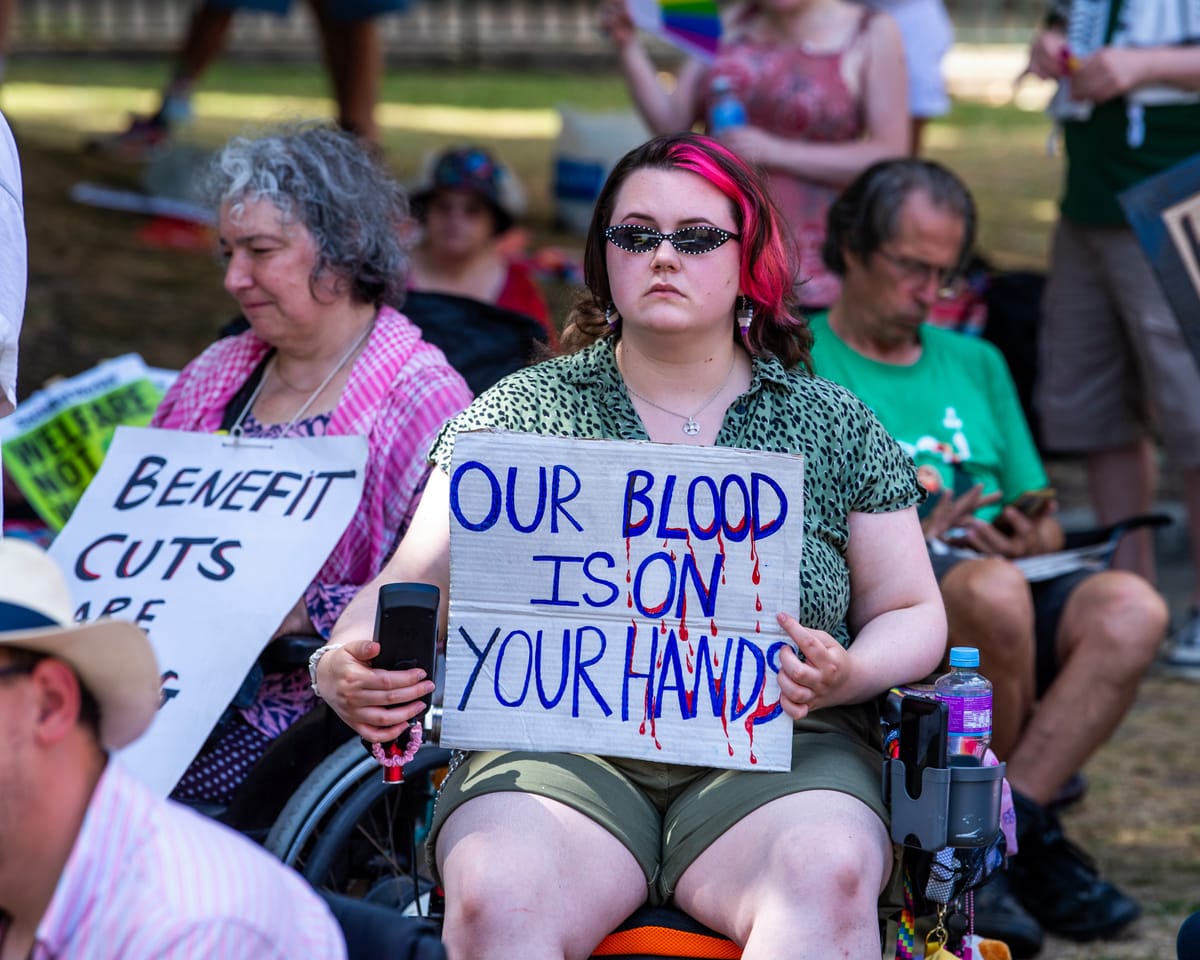
Around 50,000 individuals who develop long-term illnesses or disabilities will face financial hardship by the end of the decade due to reductions in incapacity support, even after officials abandoned much of their proposed welfare changes, a parliamentary group has cautioned.
The work and pensions committee acknowledged the recent decision to discard some of the most contested aspects of disability-related reforms following opposition from more than 100 Labour MPs.
Among the abandoned proposals was a complete overhaul of eligibility rules for personal independence payments (PIP), which would have excluded nearly 800,000 people from receiving assistance by 2030.
Authorities also dropped plans to maintain unchanged the incapacity component of universal credit for current recipients, a move that would have affected over 2 million people by 2029-30. However, they retained plans to reduce the weekly rate by half for new applicants.
The committee stated in its report that the government had ultimately made the correct choice but pressed for further delays to remaining universal credit reductions until their effects on poverty, health, and employment were thoroughly assessed.
Officials faced significant resistance after being forced to scale back their initial proposal, intended to save £5 billion annually by 2030. Prime Minister Keir Starmer later acknowledged that the process had not been handled properly.
While all existing benefit recipients and those with severe or terminal conditions will continue to receive full support, starting next year, other applicants with work-limiting health issues will see their monthly payments decrease from £423.27 to £217.26.
Debbie Abrahams, the committee chair, remarked, “While we recognize the government’s concessions, concerns remain regarding these reforms, particularly the reduction in aid for those newly affected by illness or disability.”
She noted that official estimates predict 50,000 people claiming universal credit after April due to health conditions or disabilities will fall into poverty by 2030 because of the cuts.
“We urge postponing reductions to the health-related portion of universal credit, especially since additional healthcare resources, job assistance, and labor market changes intended to help individuals remain employed have yet to be realized,” Abrahams added.
“A reformed welfare system is necessary, but the well-being of beneficiaries must be safeguarded. Recent events highlight the need to evaluate policy impacts on health-related assistance before implementation to avoid unintended harm.”
The report also called for the withdrawal of a proposal under review that would block 18-to-22-year-olds from accessing incapacity benefits.
Read next

Badenoch returns to Conservative conference, markedly stronger than a year ago
A year ago, Tory MPs feared a fresh leadership revolt against Kemi Badenoch as Tories hit historic 14-16% support; November, after 12 months, was hushed: decisive challenge month. Yet, despite poor polls, “Keminisation” saw her impose style and authority.
More in Common’s Luke Tryl, director, said Badenoch holds

UK sanctions plan on illegal Israeli settlements faces criticism from US, Israel and British MPs
Today, with the agreement of Prime Minister Netanyahu, Israeli officials announced a series of countermeasures in response to new sanctions declared by the British foreign secretary of the Labour government, following a sequence of anti-Israel decisions by the same administration.
The accusations leveled today by the Labour foreign secretary,
UK announces trade ban on Israeli settlements as tougher stance
Ed Miliband will announce a broad reset of the UK’s relations with Israel on Tuesday, pledging a more active stance in support of the Palestinian cause. In an intervention drawing fierce criticism from the US and Israel, the foreign secretary will impose a ban on trade in goods and