
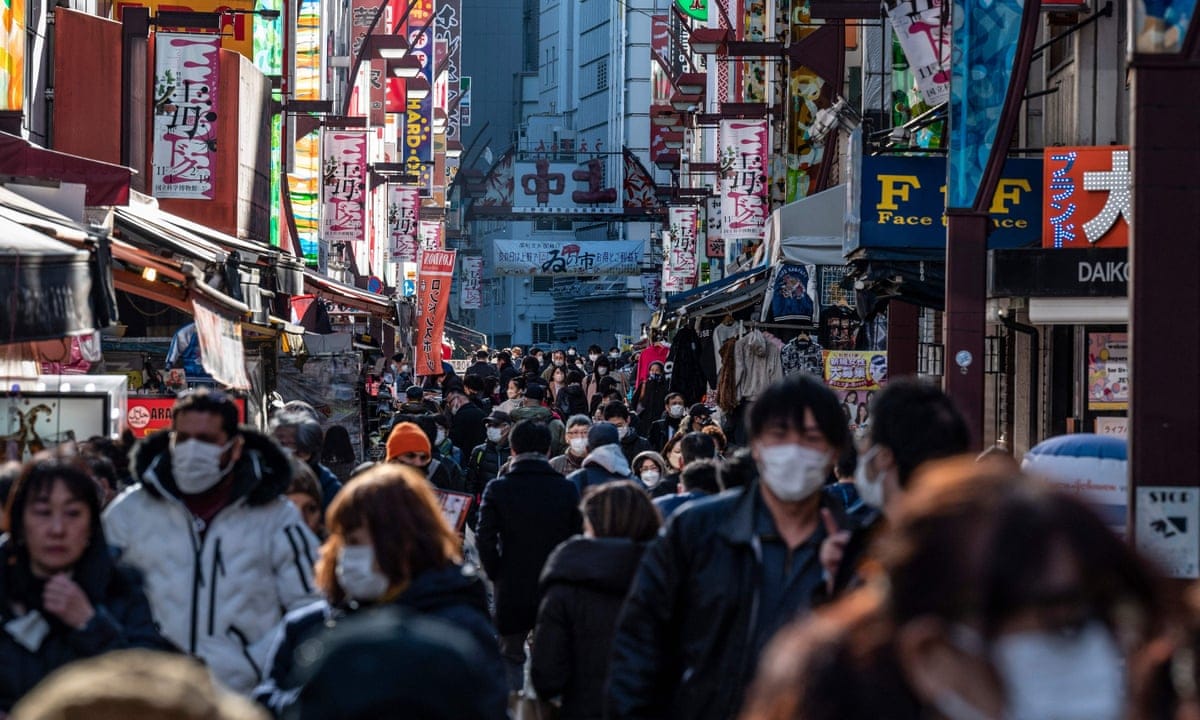
Japan is recognized for its outstanding customer service standards but faces challenges due to a growing number of demanding customers and clients whose behavior leaves much to improve upon.
Consequently, municipal authorities in Tokyo have adopted the nation's first ordinance – an approved local regulation – aimed at safeguarding staff within the service industry from kasuhara (Japanese term for "customer harassment"). Though this new legislation does not impose penalties and is set to be enforced starting April, specialists anticipate it will cast light on a burgeoning societal issue. They hope that its implementation may encourage potential offenders to reconsider their actions before venturing frustration onto service personnel.
A labor union's investigation this year revealed nearly half of the workforce in Japan’s extensive service sector – which constitutes 75% of total employment figures -- have endured incidents involving customers, with situations ranging from verbal confrontations and excessive demands to public shaming via social networks.
An example case involved a supermarket assistant manager receiving calls about spoiled (short-life) tofu bought at his establishment; despite the employee's attempt for diplomacy onsite, he was commanded by an irate patron to kneel as apology – even though it’s unreasonable given that such products are known for their brief shelf life.
Anger outburst incidents have also permeated government offices; one public servant recounted being accused of wishing death upon her, with an elderly citizen inviting this ill will – suggesting she'd be better off dead due to allegedly dissatisfactory service provided by the establishment. The employee expressed a longing for comprehension that those they serve are also humans who bear emotions and not merely money-chasing machines; essentially pleading them to empathize with their own humanity, as well pay heed towards taxes being paid in return for services rendered.
The Ministry of Labor is reportedly evaluating more stringent measures that would tackle kasuhara across various industries such public transportation systems and retail environments like restaurants or customer service centers.
Recently, the Tokyo metropolitan council approved this regulation under external pressure from labor unions alongside industry representatives who voiced concerns over how problems related to disgruntled customers are rapidly proliferating nationwide. Additionally, three more prefectures have begun exploring similar initiatives while some municipalities and corporations offer personnel the choice of only displaying their first names on ID badges for privacy reasons — as evidenced by a notable Tokyo department store that opted to exclude offensive customers from premises in severe situations or involve law enforcement, with other businesses like Nintendo following suit.
The stated principle within this ordinance dictates the prohibition of any individual engaging in customer harassment anywhere and underscores society’s collective responsibility for its prevention – while recognizing constructive feedback's role to companies as beneficial input rather than harmful criticism — alluding that a delicate balance must be struck between validating concerns, preserving businesses interests.
Sociologist Hiromi Ikeuchi from Kansai University identifies the growing trend of customer harassment (kasuhara) as stemming largely due to several reasons: Firstly — an increasing consumer-centric approach in Japanese society that has essentially reversed traditional power dynamics, elevating customers’ expectations towards being treated like gods. Secondly— a change in business environment leading firms feeling pressured into becoming more customer orientated potentially fostering impatience and intolerance among clients who may feel entitled to unreasonable demands or abuse due these circumstances – further contributing toward the escalating problem of kasuhara, which has now begun seeping beyond Tokyo.
Read next
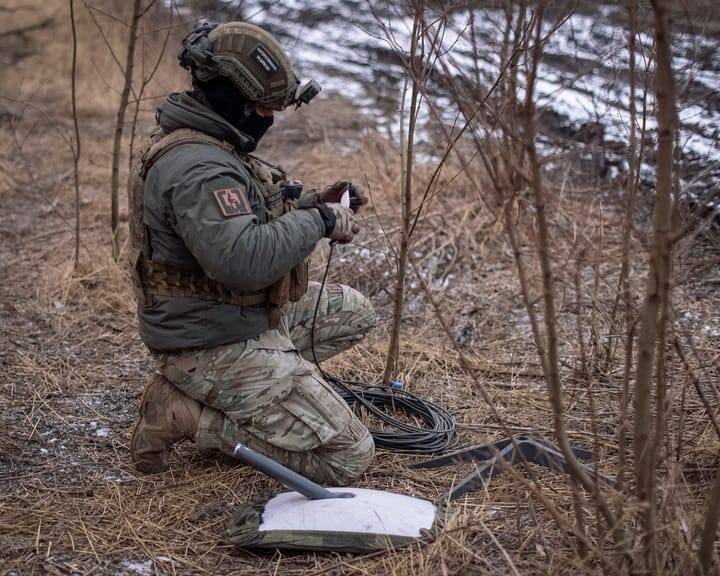
Ukrainian combat troops gain restricted access to Starlink satellite internet
Ukrainian soldiers experienced a sudden disruption in their access to Starlink satellite internet terminals amid increased pressure from the Trump administration for Ukraine to cease long-range attacks on Russia’s oil infrastructure. These terminals, managed by Elon Musk’s SpaceX, are vital for Ukraine's military operations. The

Russia's latest Ukraine attacks show 'disrespect' towards US, says Zelenskyy — Europe live
Sikorski Confronts Musk Over Starlink in Ukraine
Poland’s Foreign Minister Radosław Sikorski recently addressed Elon Musk on X, questioning reported restrictions on Starlink services in Ukraine. Poland contributes significantly to Ukraine’s funding of Starlink, which is crucial for maintaining internet connectivity in Kyiv and its military operations, with

"Breaking Stigma: Nikita Jager's Triumph in Civil Rape Case Against Conor McGregor"
Nikita Hand faced a challenging decision when considering a civil case against Conor McGregor following a 2018 assault. Despite her personal reservations about being an "imperfect victim" due to alcohol and drug use on the night of the incident, she chose to proceed. This decision stemmed from her