
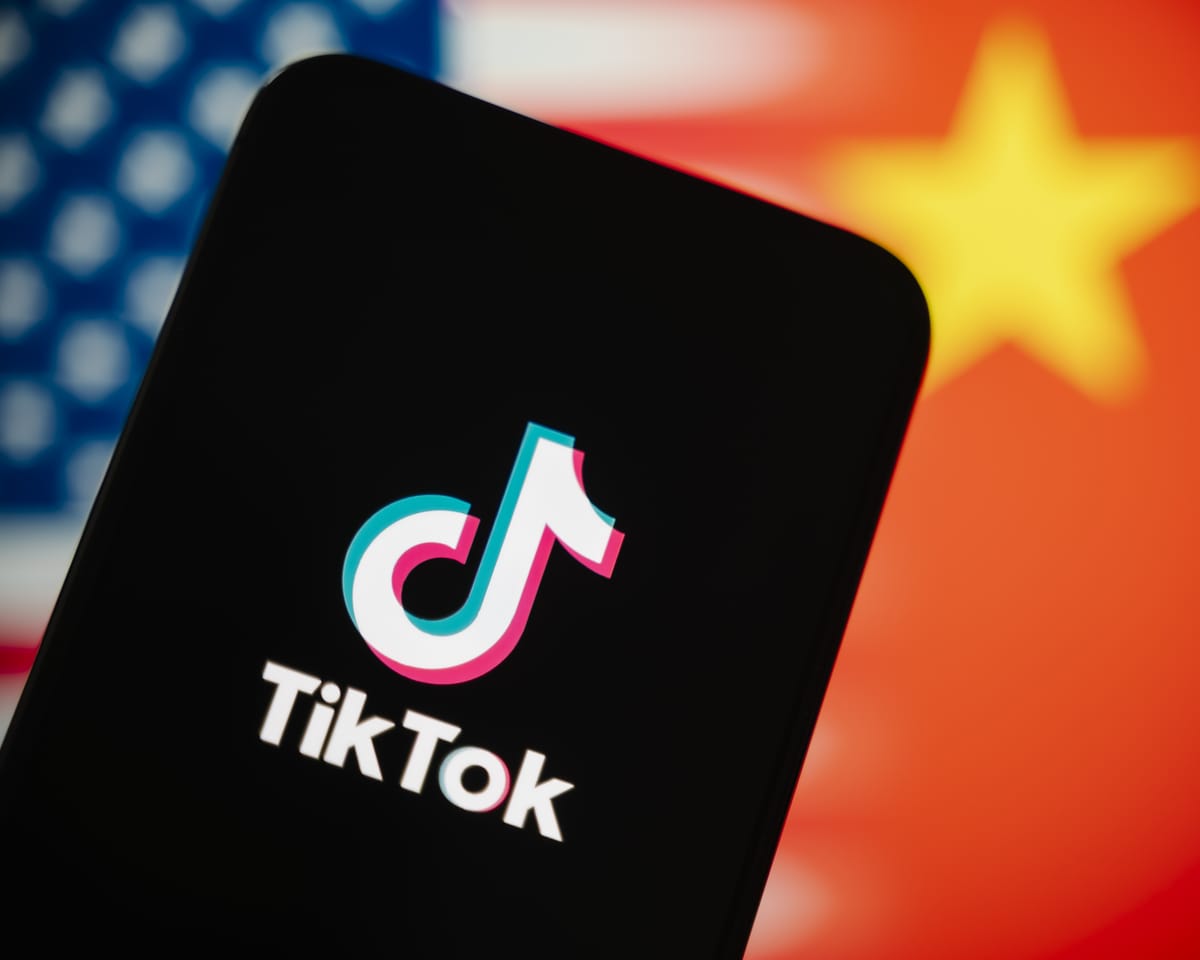
US Treasury Secretary Scott Bessent stated on Sunday that the US and China have finalized the terms of an agreement to transfer TikTok’s US operations to new owners.
"We have concluded the TikTok deal," Bessent said during an interview on CBS’s Face the Nation. Referring to discussions involving Donald Trump and Xi Jinping, he added: "The agreement was reached in Madrid, and as of now, all details are finalized. It will be up to both leaders to complete the transaction" during a planned meeting in Korea on Thursday.
Bessent did not provide specifics but mentioned the agreement was part of a wider framework, approved by both nations, that will be discussed further in the upcoming meeting between Trump and Xi.
His remarks follow an executive order signed by Trump on 25 September, which set the stage for transferring ownership to a US-based entity with predominantly American investors.
"I was not involved in the commercial aspects," Bessent noted. "My role was to secure China’s approval, which we successfully achieved in recent days."
There have been suggestions that Barron Trump, the former president’s son, could join the board, as proposed by one of Trump’s former social media advisors. Potential investors reportedly include media figures Rupert Murdoch and Larry Ellison.
In 2020, Trump previously sought to ban TikTok in response to China’s handling of the pandemic.
Lawmakers passed legislation to prohibit the app, which was later enacted by Joe Biden during his presidency. The ban, initially set for January 2025, was delayed multiple times as negotiations for the ownership transfer progressed.
The deal is reportedly valued at $14 billion, with US and international investors holding roughly 65% of the company, while ByteDance and Chinese stakeholders retain under 20%.
Under Trump’s order, control of TikTok’s algorithm will shift to the new investors, including six of seven board seats.
Trump is currently in Malaysia for a regional summit and is expected to meet Xi later in the week.
Read next
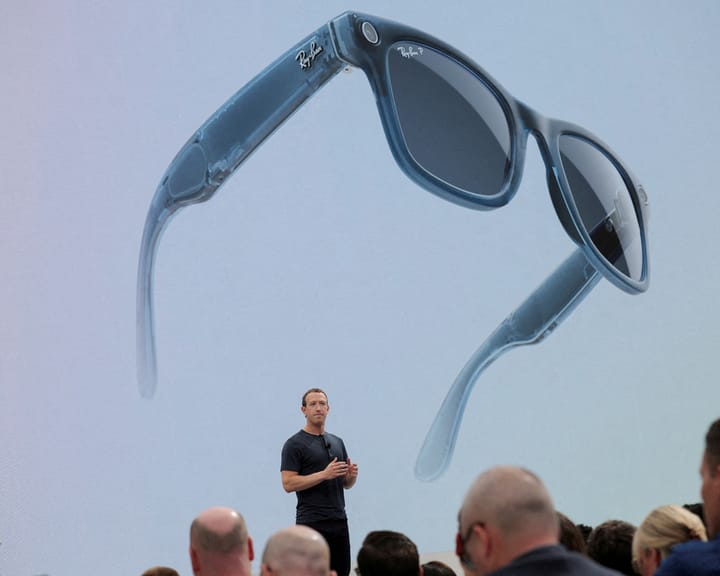
US officers worry Meta smart glasses could covertly record them
In January, the NYPD’s counterterrorism unit warned officers about a new security threat: Ray-Ban Meta glasses. A memo directed officers to “conduct thorough inspections of all eyewear permitted within inmate cells,” cautioning that recently arrested individuals could use the devices’ small cameras and microphones to record inside police
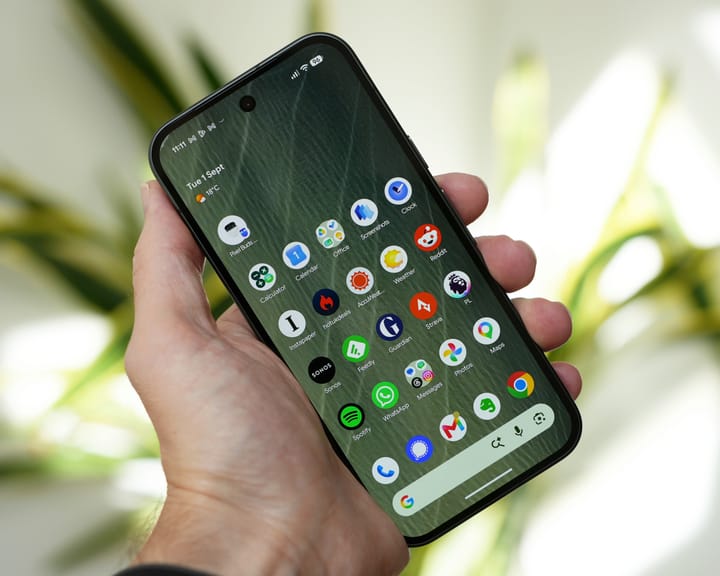
Google's Pixel 11 sets new standard for flagship phones, review finds
Google’s Pixel 11 continues to define what a base flagship phone should deliver, with leading cameras, extended software support and nearly all the features of its pricier siblings.
The standard Pixel 11 is priced at £879 (€999/$899/A$1,499), £80 higher than its previous version, reflecting ongoing
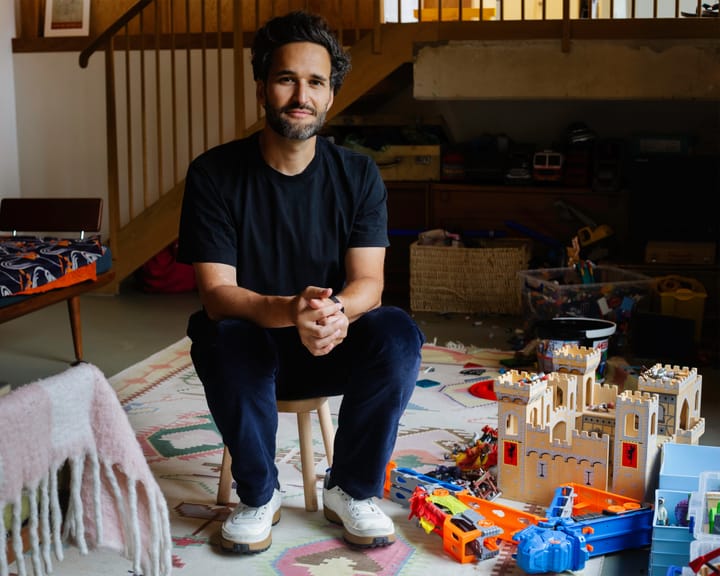
AI Expert Father of Three Shares Essential Insights for Parents on Artificial Intelligence
A father once promised his child they would write a story together called "The Day Nobody Went to Disneyland." The plot imagined a perfect day when the entire world avoided the park, expecting crowds, leaving it completely empty for a father and child to enjoy alone. Three decades