
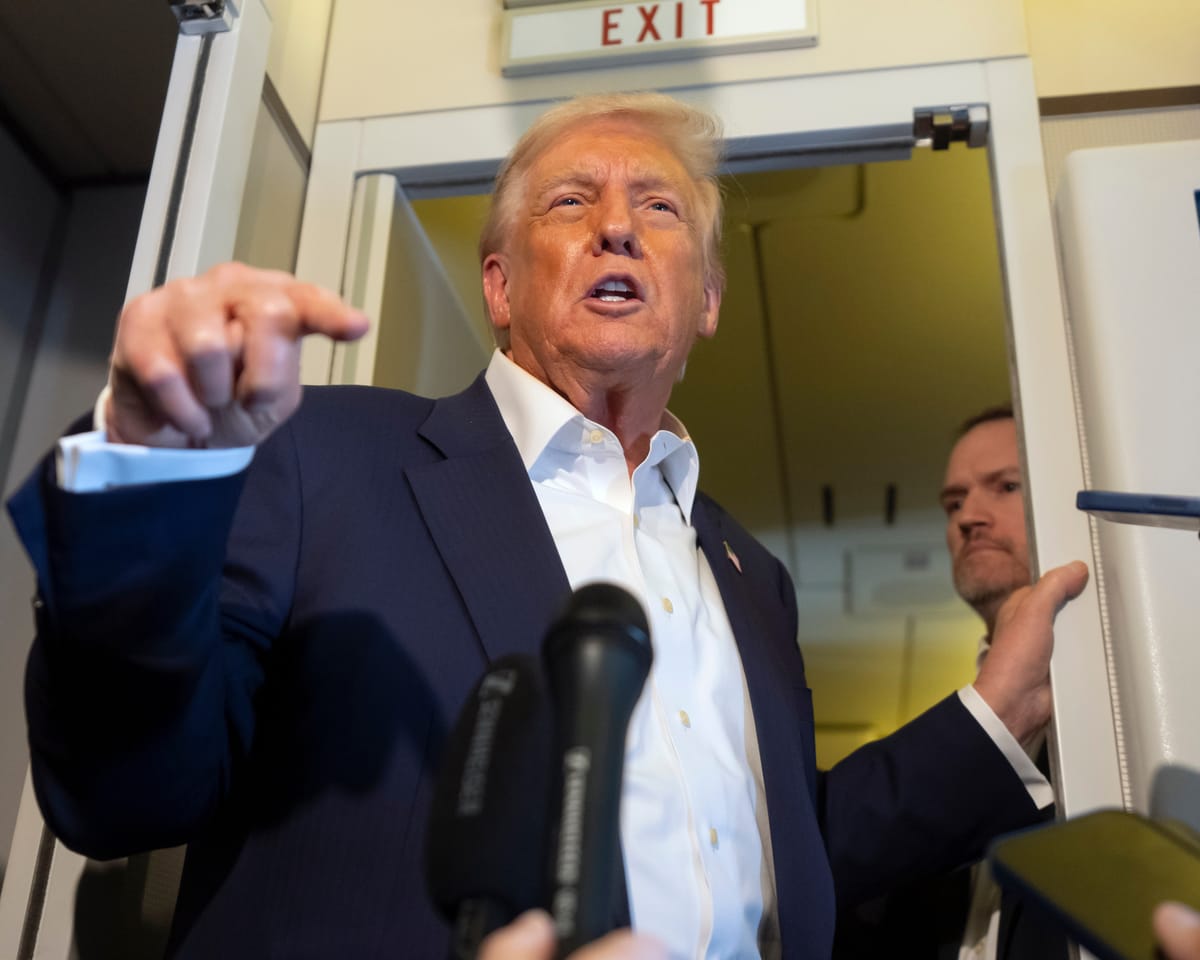
Trump Calls Putin’s Nuclear-Powered Missile Test "Not Appropriate" Amid Rising Tensions
Donald Trump has called Vladimir Putin’s announcement of a nuclear-powered cruise missile test “not appropriate” as tensions between Moscow and Washington continue to escalate.
Putin declared on Sunday that Russia had successfully tested its "unmatched" Burevestnik cruise missile, which the Kremlin stated was part of measures to "strengthen national security."
When reporters aboard Air Force One asked Trump about the test on Monday, he responded that Putin should prioritize ending the Ukraine war over missile trials.
Trump noted that the U.S. has its own strategic capabilities, mentioning a nuclear submarine stationed near Russian territory. "We frequently conduct missile tests as well," he added.
A day prior, Putin, dressed in military attire during a meeting with high-ranking officers, praised the Burevestnik as a significant advancement.
"No other nation has such a weapon," he said, instructing officials to prepare the necessary infrastructure for its deployment.
Valery Gerasimov, Russia’s top military commander, informed Putin that the missile traveled approximately 8,700 miles over 15 hours in a test conducted earlier.
Sergei Ryabkov, a senior advisor to Putin, confirmed that the U.S. had been informed beforehand about the planned test.
Putin first introduced the Burevestnik in 2018, boasting of its near-unlimited range and ability to bypass missile defenses.
"Nobody was willing to listen before. Now they should," he had stated.
The missile drew global attention in 2019 after an Arctic test failure led to an explosion that killed several scientists.
Despite Putin’s claims of invincibility, experts remain skeptical.
"Russia's nuclear-powered Burevestnik isn’t unstoppable—NATO forces could intercept it," Jeffrey Lewis, a nuclear policy analyst at Middlebury College, stated in a social media post.
Lewis also warned that the missile only deepens an arms race with no clear winner.
Despite verbal commitments from both sides to curb military competition, little progress has been made. Recently, the Kremlin condemned Trump’s push for a missile defense system—dubbed the "Golden Dome"—which he claims would shield the U.S. from attacks.
Last November, Moscow revised its nuclear doctrine, lowering the threshold for atomic weapons use—an action widely interpreted as a willingness to escalate in response to perceived threats.
Shortly after, Russia fielded its new Oreshnik nuclear-capable missile in Ukraine.
The Burevestnik test coincides with heightened Russian nuclear rhetoric and stalled negotiations between the U.S. and Russia over Ukraine.
Last week, Putin supervised drills of Russia’s nuclear forces, involving simulated missile launches, and warned of a "severe, if not devastating, retaliation" in case of threats.
Read next

July 2026 Marks Worst On-Record Wildfires in England, Data Reveals
July 2026 saw the highest number of wildfires in England on record, with provisional data indicating a clear increase in the annual total. The UK experienced extreme vulnerability to climate change, as severe heat and dry conditions turned vast countryside areas into a tinderbox. This summer marked England's

Thousands Protest in Madrid Following Death of Evicted Pensioner Maricarmen
Thousands are expected to march through Madrid on Thursday evening to honor María del Carmen Abascal, an 87-year-old whose eviction from her apartment, two weeks before her death, highlighted Spain’s housing crisis. Abascal's flat had been acquired by an investment firm that sought to increase
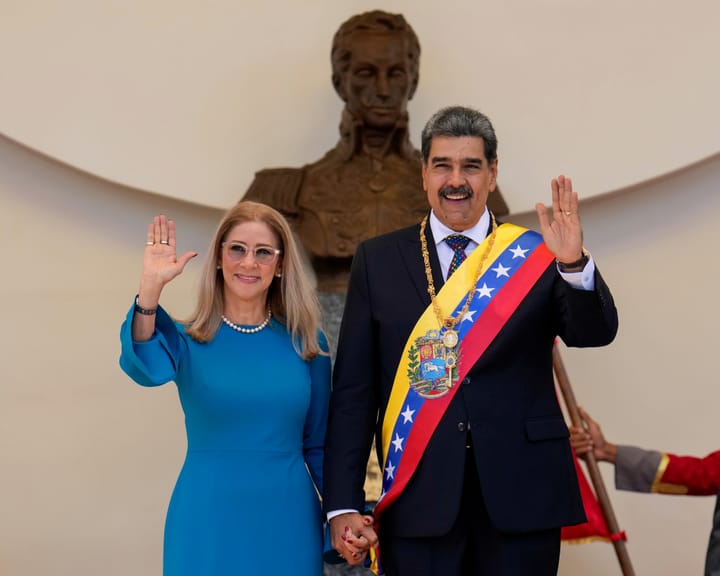
Maduro’s Wife to Seek Release from New York Detention in Court Appearance
Cilia Flores, the wife of former Venezuelan President Nicolás Maduro, was scheduled to appear in court, where her legal team will request her release from custody due to her heart condition, proposing house arrest instead.
Flores and Maduro have been detained in New York since early January, following a raid